Dear young people of America,
Mental health is such a hot topic in the world right now and I want to address a specific category of it that I don’t think is recognized enough. Most of us know how crippling mental illnesses can be and how much they can be exemplified in a person, but how many of us have stopped and thought about all of the people out there that have high functioning mental health struggles. Thinking about something important to me that also lacked awareness, I raised this topic to share with not just the young people who suffer from this but also the people who surround and care for them; I bring this up to provide the awareness it deserves as well as educate people who suffer from these things and everyone else who lacks knowledge on this topic.
Due to the understanding that many may not know what a high-functioning mental illness means, let’s define it. “High functioning mental illness refers to individuals who appear to function well in their daily lives (holding down jobs, maintaining relationships, and managing responsibilities) while internally struggling with mental health challenges.” (HF MH). A lot of people suffer from high functioning mental illness, 1 in 8 people globally or 34.6% of young adults suffer from these illnesses and it frequently goes unnoticed.
Personally, struggling with multiple high-functioning illnesses such as anxiety and depression and not understanding it for the first several years of my life, further made me realize more people need to understand these ideas. I never understood how I could have depression but still be okay enough to do the everyday things I had to, until I learned about high-functioning mental illness. It has allowed me to understand more about myself as well as have more empathy for others and the silent battles they are fighting; having personal ties to this only amplified why I believe it’s important to understand ones who are suffering and how to support people who struggle with it.
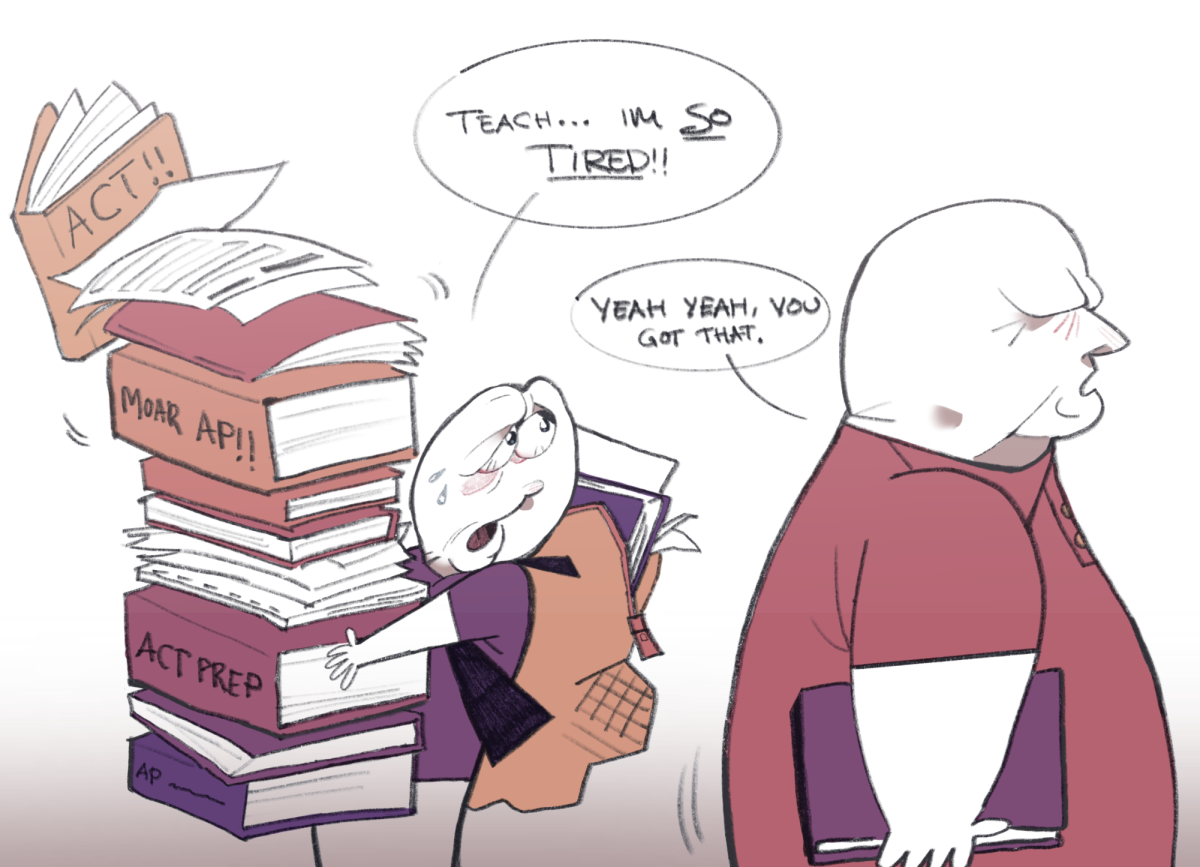
Let’s dive into contributions to the intensities of these mental illnesses. First off, as many of us can relate to, school environments. School, especially the people, heavily contribute to the depression and other mental health struggles teens and young adults face. Now this is not necessarily something one person can fix, but it’s something all people need to work towards.
People, not just for themselves but for others, genuinely need to make school and other learning environments as welcome and positive as they can. Bullying promotes negative ways of thinking and acting in society and a lack of resources for students during these struggling times only further the agony kids face. These are vital areas for people in the earlier years of their lives and affect how one can think and act for pretty much the rest of their lives.
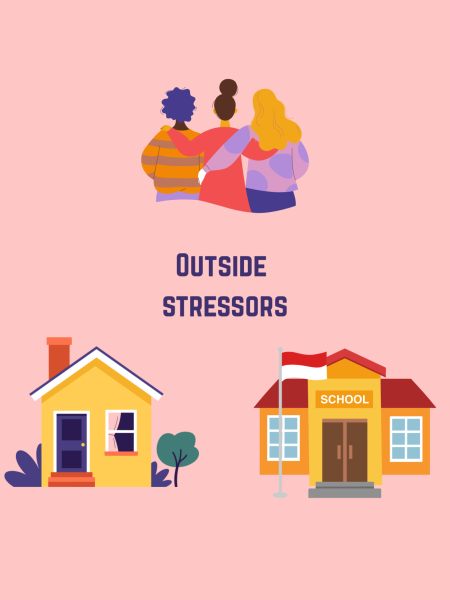
But school isn’t the only thing to blame, we also need to look at “home” or living environments. Outside of school, “home” environments contribute to the lack of security people have which, in turn, is detrimental to young people’s well-being. If these young people face additional hardships at home such as abuse or other sorts of violence, that only amplifies the struggle that child is bound to face in the present and future of their lives. Unrealistic expectations from parents contributes to this as well and it then can begin to affect their school lives and how they measure them self as a person.
All of these outside variables and how they are approached is dependent on the person as well. Different personalities and types of people will approach their situations differently, and it may not always be the most beneficial way for them.
Some people could argue that people who suffer more silently from mental illness are just people seeking attention when they actually express their struggles. But in reality that is the complete opposite. People who typically have high-functioning mental illnesses try to adapt and learn how to work around their challenges.
Honestly, many don’t even understand the challenges that they are subconsciously working through. Another huge misconception of high-functioning mental illnesses is that they’re being faked due to the person’s ability to do everyday tasks. That’s why a lack of understanding about the topic is so harmful for people in these situations. The battles and illnesses people are facing aren’t being faked, they are simply attacking the people in a different way than those with crippling or lower-functioning mental health struggles.
Again, it’s so important to understand high-functioning mental illnesses and how, just because it looks different from what people typically understand of a mental illness, it is not any less important. Honestly, just creating the best and most comfortable environments for the ones around you can make the biggest difference in somebody’s life. Reaching out and offering support to the people you love may seem like a small task but it can mean huge things for people who are struggling.
The people in this world need to be more loving, more positive, and more aware and that is what this letter is supposed to help with. So, just because people suffer in silence and many may not understand it, doesn’t mean we should ignore it. We should educate ourselves and help the world be the best it can for everyone.