I’m the type of person who is saying how excited I am for summer in January. I don’t even like the heat or the beach all that much, but the thought of not having school is always the most appealing thing.
No more late study nights or stressing about a test. Along with that, the summer comes with fun camps and vacations for many people, but what about those who dread the upcoming summer months due to financial struggles?
“Are you going anywhere this summer?” is a common question that many people ask in casual conversation and the answer is usually followed by a yes. The person then goes on to explain how they’re going to their lakehouse, spending time with their grandparents, going on a roadtrip or even going out of the country. These students have time to differ from their normal routine and have a designated time of relaxation, but for those who don’t have the luxury of a vacation find it difficult to relate to their peers.
Those who are unable to take time off of a job that they are working so that they are able to have food in the refrigerator or pantry obviously cannot go on a vacation. According to Junior Achievement USA, 22% of teens have a job outside the home, and 46% of those families depend on their teanagers income.
This creates a divide among their classmates and friends because while many students are tanning on beaches, some have families that rely on their job to get by. These students also have the added anxieties of paying the bills and worrying about where their next meal will come from, while their peers have never needed to think about that.
Finding a community is an even greater challenge for students from low-income families since they don’t have the resources to go to the summer camps that everyone else is going to. They can’t go to the sports, sleepaway or activity camps where many kids find friends and are able to relate to one another with. When students go back to school in the fall, they’re able to talk about their fun camp or sports stories while the kids who were working all summer feel left out, ashamed, or embarrassed of their family’s situation because they do not have the resources to do what their friends are doing.
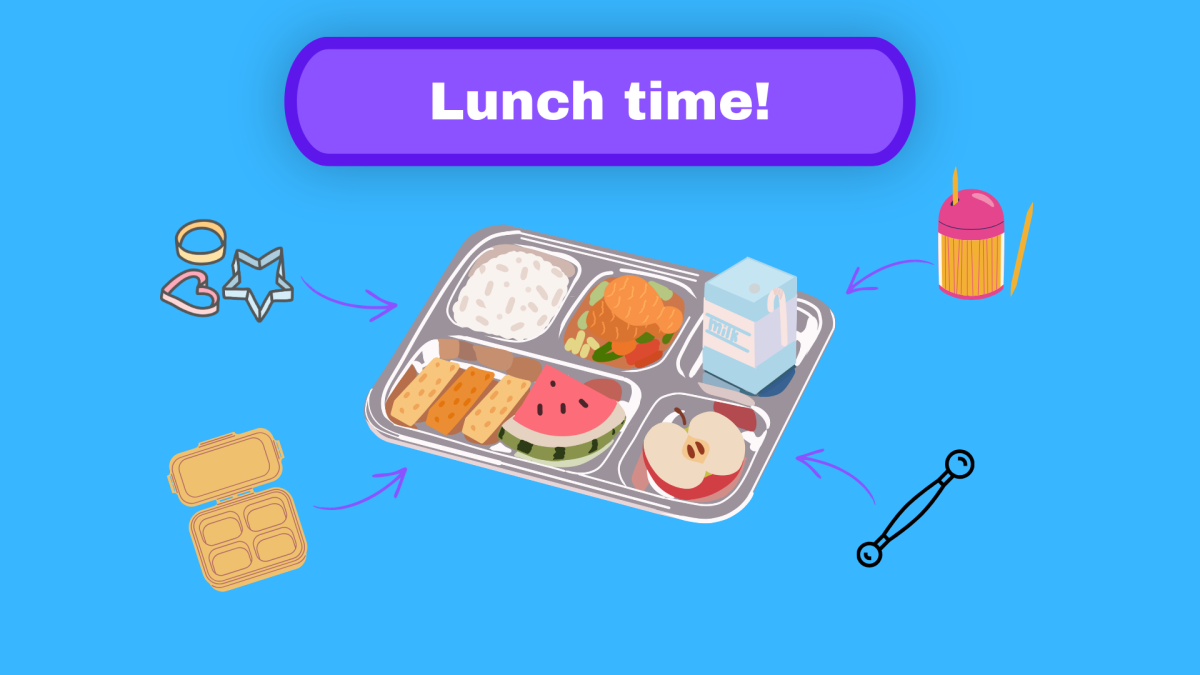
On top of that, students who are part of the free or discounted lunch program no longer have a food source during the summer. The Illinois Report Card says that 49.7% of students are eligible for free lunch. There are one million students who get free lunches during the school year so what are they meant to do over the summer? They go without one to two meals a day because they no longer have the school to provide it for them. With the cost of living going up, summer is not a relaxing time for low income families.
If these students are able to hang out with their friends over the summer, they need to navigate around work schedules and think about how much it would cost to go out. No teenager should be forced to grow up so early because of limited resources. Outside pressures cause friendships to be harder for these students since it is difficult to be involved in what everyone else is doing and connect with peers when they are living such different lifestyles.
When the fall rolls around and the teachers inevitably ask the students what their favorite part about summer was, underserved students aren’t able to say anything since they did not have the same opportunities as their classmates. No vacations, fun summer camps or lazy days since they have to work. Although those who are not in that situation do not think about how difficult it is for these students, we as a community need to do more for these underprivileged families.
Although you donate your clothes to Goodwill every time you clean out your closet just so that you don’t feel as bad, Millard South states that 11,150 tons of those donated clothes go to landfills. In our community there are many places you can donate to or volunteer at such as the People’s Resource Center, Hope’s Front Door, Downers Grove Area FISH and various other food pantries.