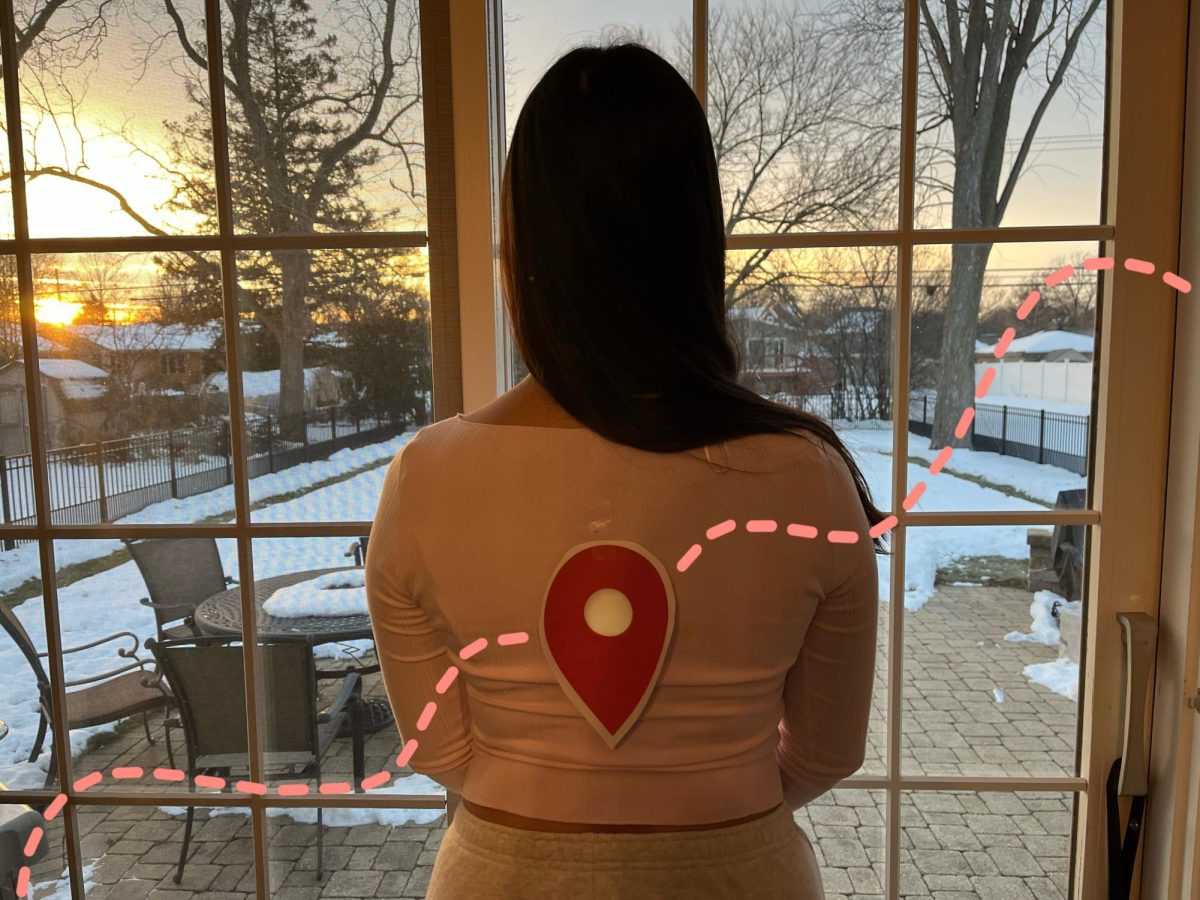
Back in the day, someone who knew your every move was labeled a stalker. Police would be called and you’d live with the anxiety of always looking over your shoulder. Nowadays, we live with countless of these stalkers without batting an eye; and it starts with sharing our locations.
Platforms like Snapchat, Find My iPhone, Life360 and even Instagram allow for people to track the whereabouts of other users. This is an invasion of basic personal privacy, revealing where and when someone lives, eats, exercises and socializes.
Location sharing establishes a culture that normalizes surveillance. People who are used to being tracked begin to stop worrying about who can see their locations. This obvious disregard of safety can result in people opting to share locations on other platforms, opening the door for hackers and other unwanted figures to track them.
Location surveillance is common amongst parents and children, weakening not only the independence of children, but also preventing them from ever becoming trustworthy people. In my experience, kids who aren’t tracked by their parents are much more transparent and communicative with them about what they are doing outside of the house.
In the past, before modern technology, teenagers had to worry only about making it home for curfew. Nowadays, kids who are monitored constantly by their parents make decisions completely governed by if their parents will be upset about where they are, limiting their ability to experience the real world.
In relationships, conflict can brew from partners overanalyzing each other’s locations. Location tracking technology can even open the door for controlling partners to further monitor every aspect of their partner’s life.
With middle schoolers and high schoolers, teenagers are able to see when their classmates are hanging out without them, which leads to anxiety, insecurity and feeling left out.
In all types of relationships, location tracking is harmful because it allows someone to track others without ever speaking to them, which can often lead to miscommunication and resentment that brews without confrontation. This overreliance on technology leaves people’s communication skills underdeveloped when it comes to conflict.
So, this is your sign to turn off your location, delete Life360 (if your parents allow it) and close Snapmap. The insecurity, anxiety and even danger are not worth the ability for people to see how many times you go to Starbucks a week or when you’re tanning at the beach. Now is your chance: go off the grid.