I used to think that saying “no” made me annoying or rude. So instead I would always say “yes”. I said “yes” to plans I didn’t have time for, “yes” to a favor I didn’t want to do, “yes” to an adult I didn’t agree with–all because I thought saying “no” made me difficult and mean.
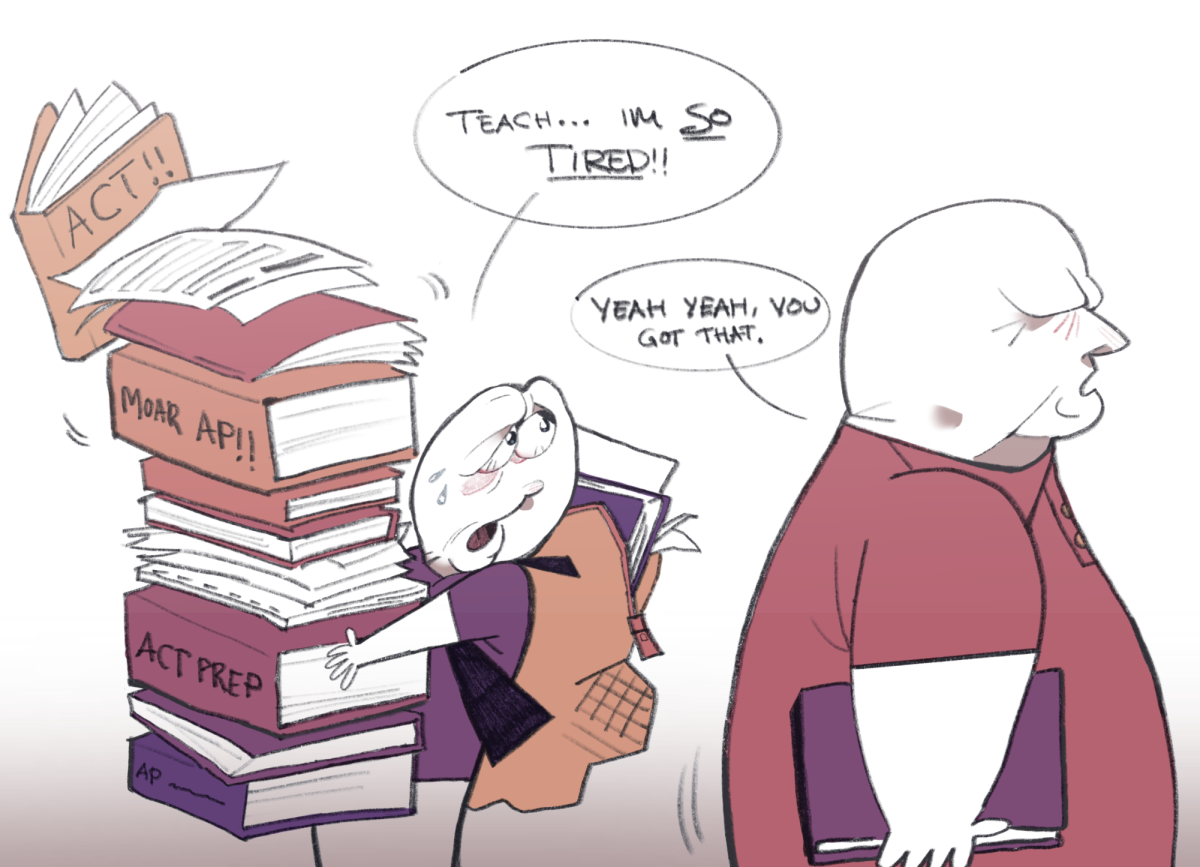
The people pleaser within me was constantly at work. I thought being agreeable meant being kind. But at the end of the day, it made me tired.
The older I’ve gotten, the more I realize that the word “no” is a powerful tool. Saying “no” is all about protecting your mental health, your time and your well-being. It is something that everyone, especially teenagers, needs to learn to do.
As a teenager, there is a lot on my plate: school, work, sports and maintaining social life, all while trying to stay afloat. According to an article from the American Psychological Association, teens’ stress levels have surpassed adults. Much of this stress stems from feeling like they can’t say “no.”
If constantly saying “yes” leads to burnout, learning to say no is extremely important for mental health.
I have learned that saying “no” has actually helped me say “yes” to the important things. I am more present with friends and family, more focused on school and more confident in my choices. It can be extremely hard to do as a people pleaser; however, I remind myself that I can’t pour from an empty cup.
The simple word “no” has almost become rebellious. In the fast-paced world we live in today, teenagers are held up to extremely high expectations. Some people think that teenagers say no too often- that we are lazy, selfish and unmotivated, going against what others have instructed us to do.
But setting these boundaries and saying “no” is not about avoiding effort or being “lazy.” It’s about prioritizing what matters. I say “no” not because I don’t care but because I do care–about my mental health, my values and my goals.
Saying yes to everything doesn’t make you dedicated; it makes you exhausted.
Instead of teaching children to say “yes” all the time, we should teach them to say “no” with kindness and confidence. “No” isn’t a bad word; it’s a boundary word. When used thoughtfully, it has the ability to build respect, not resentment.
According to an article from UC Davis Health, setting boundaries is a vital part of emotional health, and they help foster healthy relationships
So yes, I am a huge advocate for the word “no.” It’s short but strong and misunderstood. Saying it doesn’t mean you are a bad person, it just means you are honest.
The power of “no” isn’t rejection. It’s protection. That’s a power I refuse to apologize for.