From seasonal Starbucks cups to Shein hauls, overconsumption has become a silent epidemic shaping young lives, fueling a constant cycle of scrolling, splurging, and spending. As teens look for the latest trends, they often overlook the hidden emotional and financial toll these habits carry. Recognizing how these patterns influence behavior is the first step toward sustainable decision-making.
To better understand what drives overconsumption, it’s important to examine the psychology behind it. According to the American Psychological Association (2024), this behavior is often linked to social pressures and difficulty regulating emotions. The desire to own the trendiest items offers only a temporary sense of fulfillment.
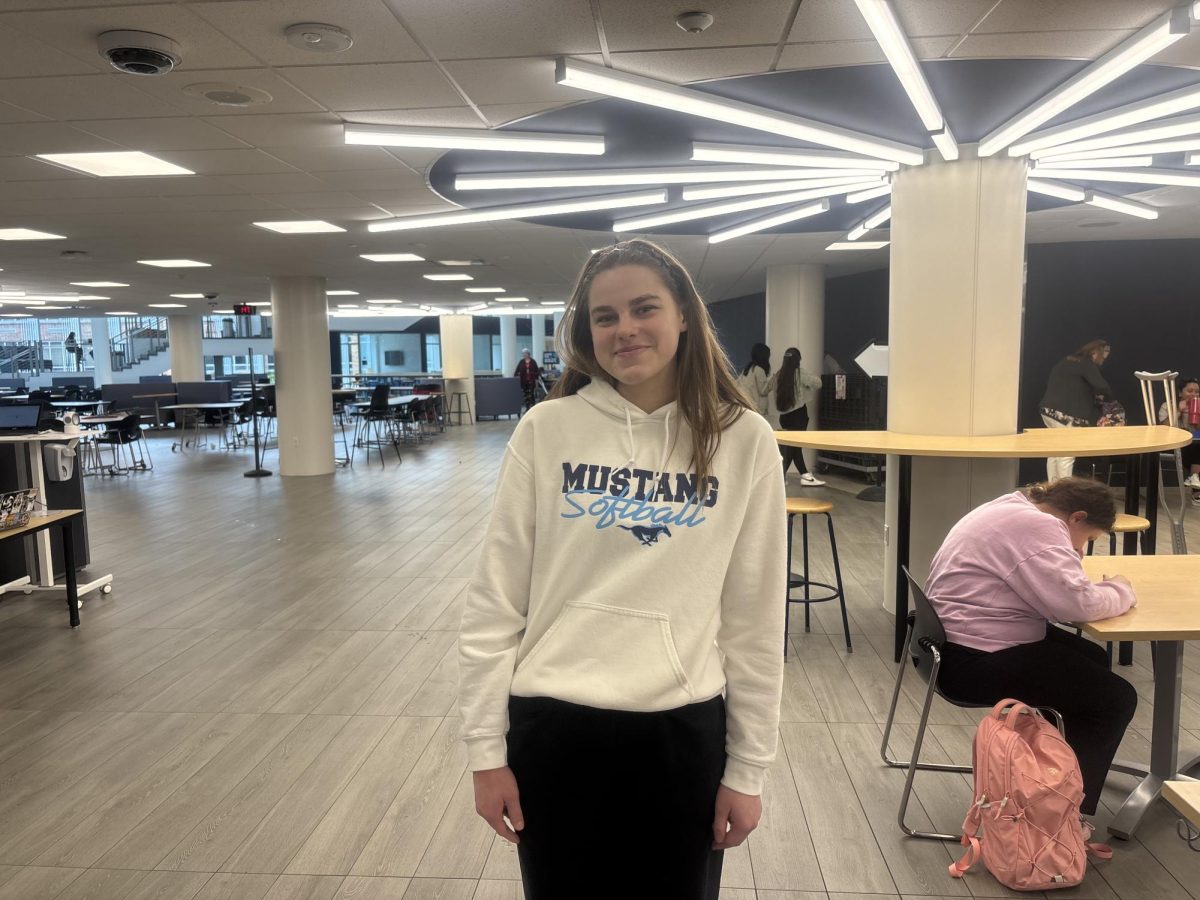
Companies encouraging fast consumption don’t randomly target teens. Adolescence is an identity-forming period, leaving students more vulnerable to external pressures and marketing. Senior Keegan O’Keefe experiences this firsthand as she navigates staying “on trend.”
“I’ve definitely bought things before just because everyone else had them. I didn’t want to feel left out or behind on what was popular,” O’Keefe said. Her experience reflects a larger pattern seen in many of today’s teen shoppers.
Major influences often stem from social media and targeted marketing. Apps that once focused solely on entertainment now double as shopping platforms with constant product promotion. This shift has created an environment that encourages impulse buying.
“TikTok and Instagram are the biggest influences for me. TikTok’s new shopping feature makes it so easy to buy things right away, and Instagram constantly shows me new products other people have, which makes me want them too. I also feel influenced by fast fashion websites like Shein because I always see their advertisements,” O’Keefe said.
While occasional splurging can be harmless, constant exposure to online shopping tools makes it surprisingly easy to overspend. What begins as a small treat can become a habit that leads to regret and clutter. For many teens, these habits have lasting consequences on finances and well-being.
Once trendy items lose their appeal, many purchases are discarded or donated, contributing to fast fashion waste. Landfills continue to grow as clothing is replaced at a rapid pace. These environmental consequences show how personal habits create widespread impact.
To help students understand these impacts, sustainability speaker Lisa Sciannella from Helpsy provided insight during the event. Helpsy works to reduce clothing waste by repurposing discarded textiles. Sciannella emphasized how the rise in fast fashion directly affects the volume of items their organization receives.
“We have seen a clear rise in fast fashion items. In the United States, we now discard about 104 pounds of textiles per person each year, and textile waste has increased 55 percent since 2000. More than half of fast fashion garments are thrown away in under one year, which we see in the volume and quality of items we collect,” Sciannella said.
This influx of low-quality clothing reflects how quickly trends cycle in and out. Organizations like Helpsy are working to counteract the damage by improving collection and recycling efforts. Their work highlights the need for more conscious consumer behavior among teens.
“Fast fashion pieces tend to be lower quality and are often made with blended fibers that are very difficult to recycle. The rapid trend cycle causes people to buy more clothing, wear it fewer times, and discard it faster, which significantly increases textile waste,” Sciannella said.
Informing young consumers about proper donation and recycling practices is essential in reducing the consequences of overconsumption. Understanding the relationship between shopping habits and textile waste allows teens to make more intentional choices. Even small changes can prevent unnecessary items from reaching landfills.
“The good news is that up to 95 percent of clothing could be reused or recycled if it is collected. Awareness and behavior change, especially among young people, can make a real difference,” Sciannella said.
With many science classes attending Sustainapalooza this year, DGS students were able to learn directly from sustainability experts and hands-on demonstrations. The Sustainapalooza event focused on teaching students practical ways to reduce waste, including composting, reusing materials, and building eco-friendly habits. Among the presenters were members of Greener Grove, who shared real-life solutions teens could easily incorporate into their daily routines.
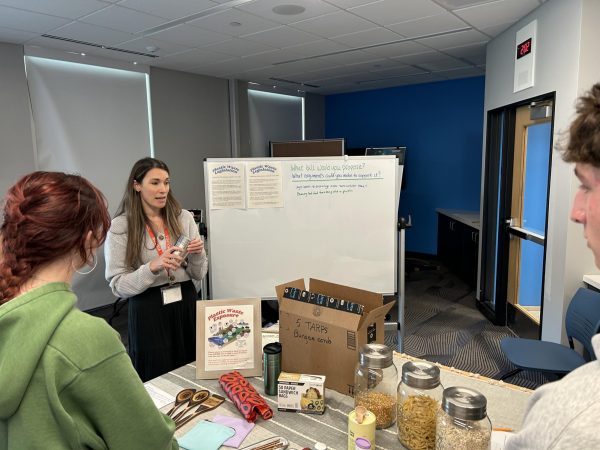
Michelle Sayre of Greener Grove offered practical advice for students hoping to reduce unnecessary purchases. She explained that slowing down decisions is often the key to avoiding impulsive trends.
Following the event, Sayre further emphasized the importance of choosing to reuse over buying new.
“Before purchasing something, practice the 24-hour pause and ask yourself if you truly need it,” Sayre said. “Thrifting, swapping with friends, and repairing items are some of the easiest ways to consume less without sacrificing style.” She added that refusing single-use items is another important habit students can adopt.
Veronica Rinke, Secretary of Greener Grove, shared how the organization also models sustainability at their community events. She described a recent fundraiser where the group created decorations using only repurposed materials. Their approach shows students how sustainable habits can be both fun and effective.
“We hosted over 100 people and didn’t buy anything new for the event,” Rinke said. “We used donated reusable dishware, composted food scraps, and made signage from catalog pages and paint-strip samples.” Rinke explained that these changes dramatically cut waste while still creating an enjoyable environment.
Rinke also discussed upcoming Greener Grove initiatives aimed at reducing youth overconsumption. She highlighted their efforts to organize community clothing swaps for prom dresses and Halloween costumes. These programs help families save money while also keeping items out of landfills.
“We’re helping local schools plan a Halloween costume swap and supporting efforts to create a prom dress swap,” Rinke said. “If any students need volunteer hours, we’d love their help making these projects happen.” Her message encouraged students to take an active role in sustainability efforts.
Overconsumption among teens is more than a passing trend—it impacts mental health, budgets, and the environment. By making mindful decisions, students can enjoy trends without contributing to harmful cycles of waste. The responsibility now lies with this generation to adopt habits that build a more sustainable future.