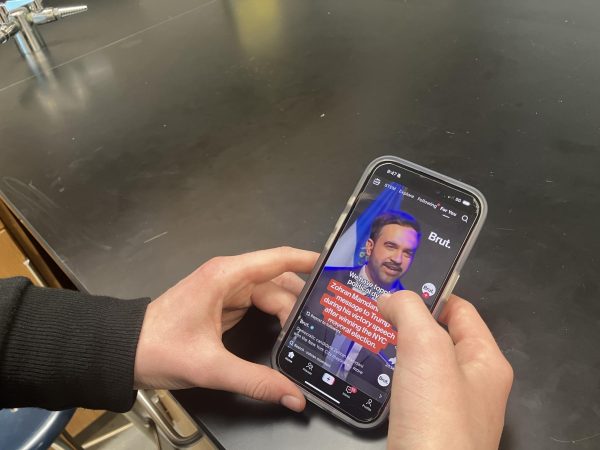
With social media, polarizing news networks and AI making many question what is true or false, it’s hard to determine how much students actually know about the state of the U.S. government.
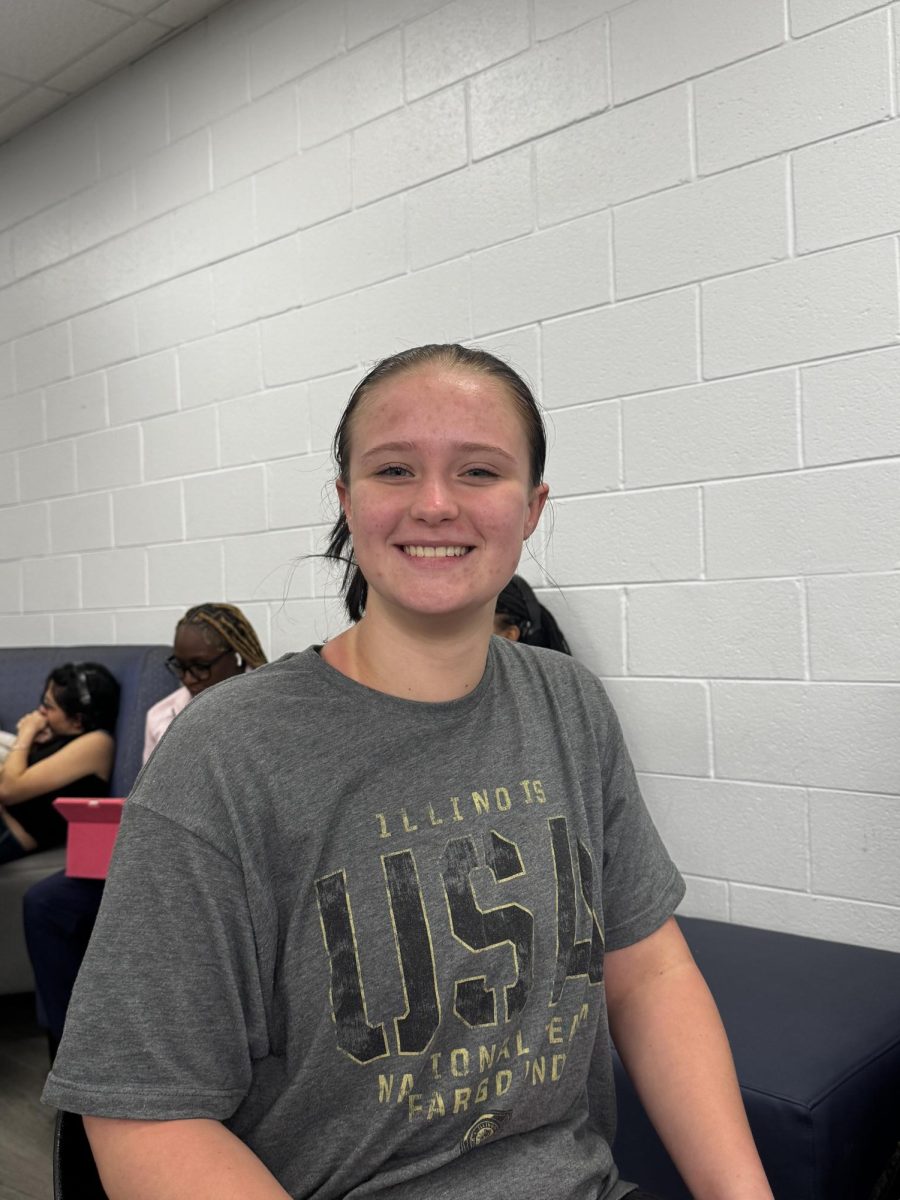
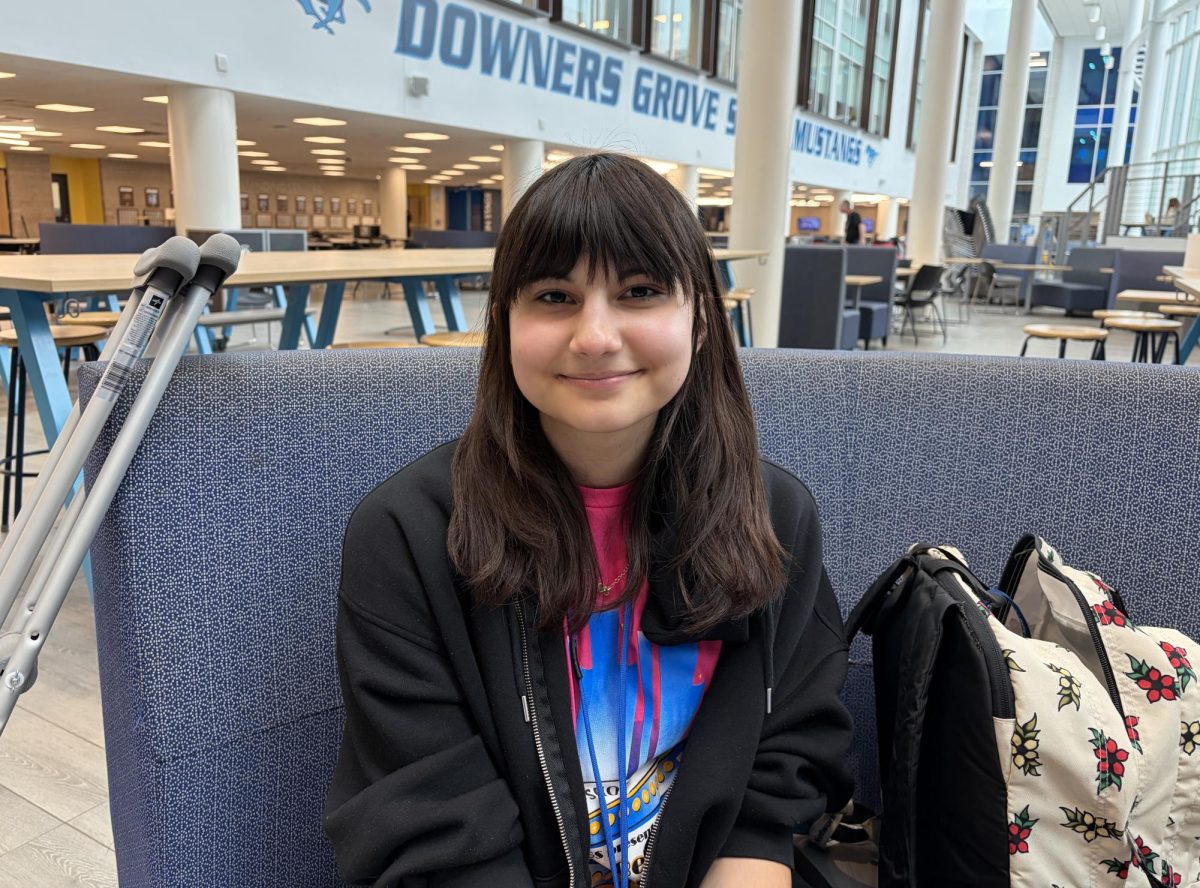
Junior Elly Hanlon is conscious of the potential of false information and takes steps to fact check the information she receives through social media.
“If you’re seeing things, hearing things, always double-check it. Look at different sources, don’t just look at one. Don’t look at one super biased source and then look at a different super biased source and say that both of them are wrong, you’ve got to look at the in betweens,” Hanlon said.
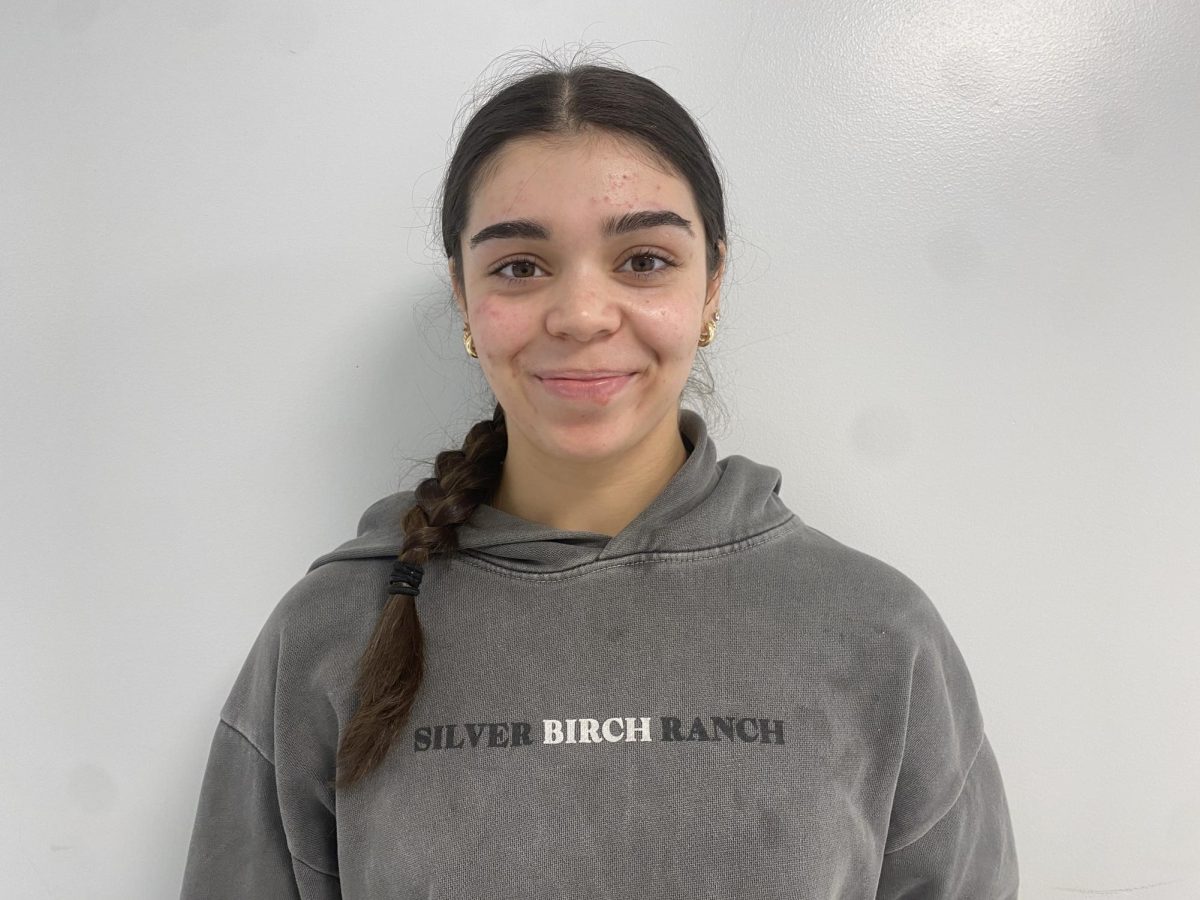
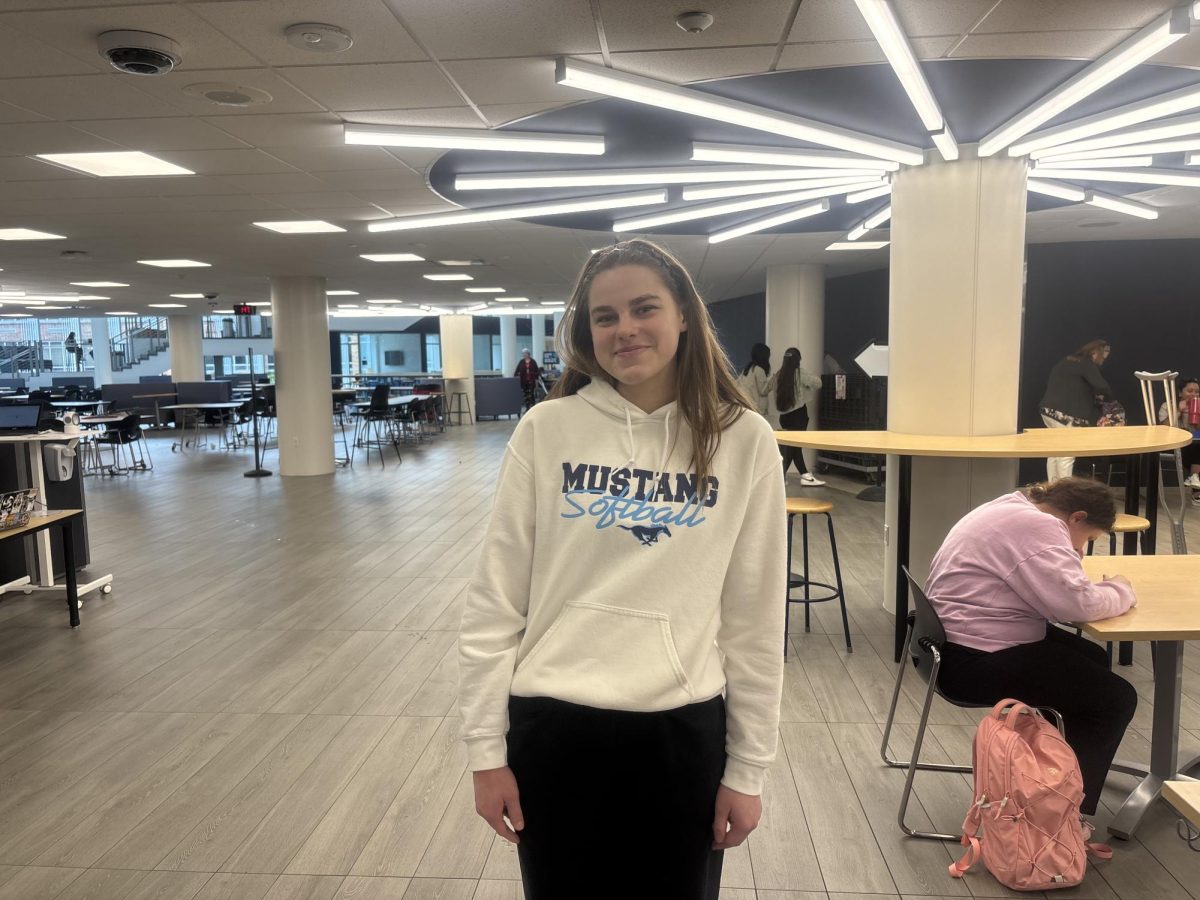
Social studies teacher Laura Rodey described how she sees a few very informed students, while the majority know of the issues, but not what they mean: “they kind of have vague ideas, or they’ll hear things but not necessarily understand the mechanics of it and how it actually works,” Rodey said, with Hanlon and junior Lydia Jayne observing the same thing.
Rodey tries to incorporate current events into her AP government and U.S. history curriculum to keep students aware through current event analyses, and tying in historical events to things happening today.
“These issues have real life implications and they impact people’s lives,” Rodey said.
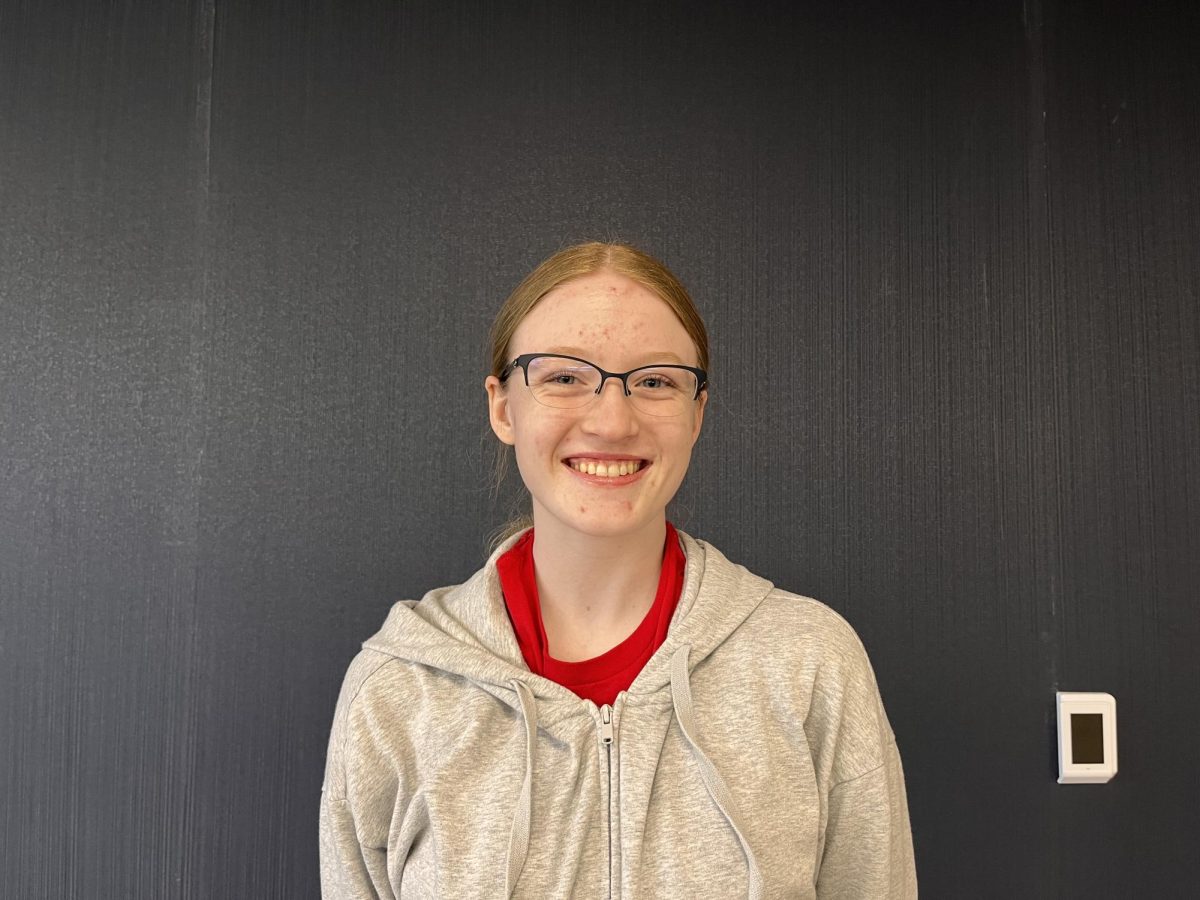
Other students like Jayne are less informed, but are still aware of what’s going on in the world.
“I try to have a broad range of opinions in my understanding of the news, but it’s also hard because everything’s so one-sided these days,” Jayne said.
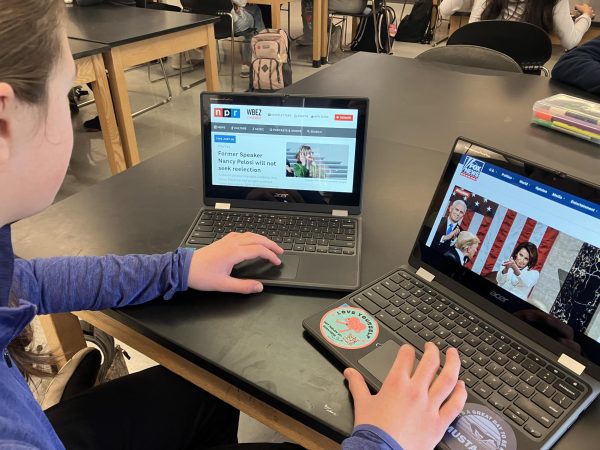
Outside of the social studies department, German teacher Sarah Moreno may not hear students talk about politics and current events very often, but she notes that when she does, it often lacks “maturity.”
“Your own personal life is also very important, and you shouldn’t let things get in the way of your friendships and everything,” Moreno said, “[It’s] important to always keep some humility.”
Like Rodey, Moreno incorporates politics into part of her teaching of AP German, prioritizing keeping a neutral stance.
“If students want to share [their opinions] in their writings, they are welcome to, but I never require that…the students are informed, but it never gets to the argument point,” Moreno said.
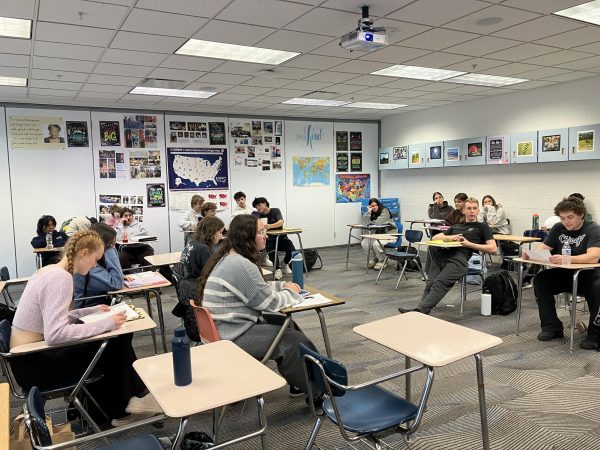
Hanlon and Jayne both agreed that paying attention to local government is also important.
“You should know what’s happening outside of [that] there’s a government shutdown, but what effects does that have on other programs like SNAP,” Hanlon said.
Jayne noted the importance of staying informed, explaining how it’s “hard to make decisions on how to act if you don’t know what’s happening.”