

On Feb. 10, 2026, approximately 375 students from DGS, along with hundreds from DGN, walked out of class in protest of federal ICE enforcement actions. Students from both schools left their respective buildings at 12:41 p.m., directly after 5th period, and planned to meet at the train station in downtown Downers Grove to protest.
School officials did not prevent anyone from leaving. Students were instructed to scan out and exit the building in an orderly manner. They were also reminded that their safety could not be guaranteed once they were off campus.
Principal Arwen Lyp explained the administration was aware of the planned protest and worked to balance students’ constitutional rights with school policy.
“We know that students have First Amendment rights; they always do. These rights are limited to time, manner and place. It’s also our job to run school, and we can’t decide when we follow our school rules and when we don’t follow our school rules, because it wasn’t a school sponsored activity,” Lyp said.
These safety concerns were acknowledged and the Downers Grove Police Department accompanied students to ensure the protest remained peaceful and did not escalate. Police vehicles blocked streets like 63rd Street, Maple Avenue, and Main Street, protecting students from oncoming traffic.
Passersby in cars showed support by honking their horns or rolling down their windows to encourage the students; homeowners and business owners stood on the streets to watch the protest as well. Many students drove by while holding up Mexican flags or protest posters in support of the demonstration.

Students from both schools marched through the downtown area before returning to the train station to chant and display ICE protest signs. Spanish music was played throughout to show support for Hispanic and Latino students and families.
Many students felt compelled to participate in the walkout due to the impact of deportations in their own lives or concerns about recent immigration enforcement practices.
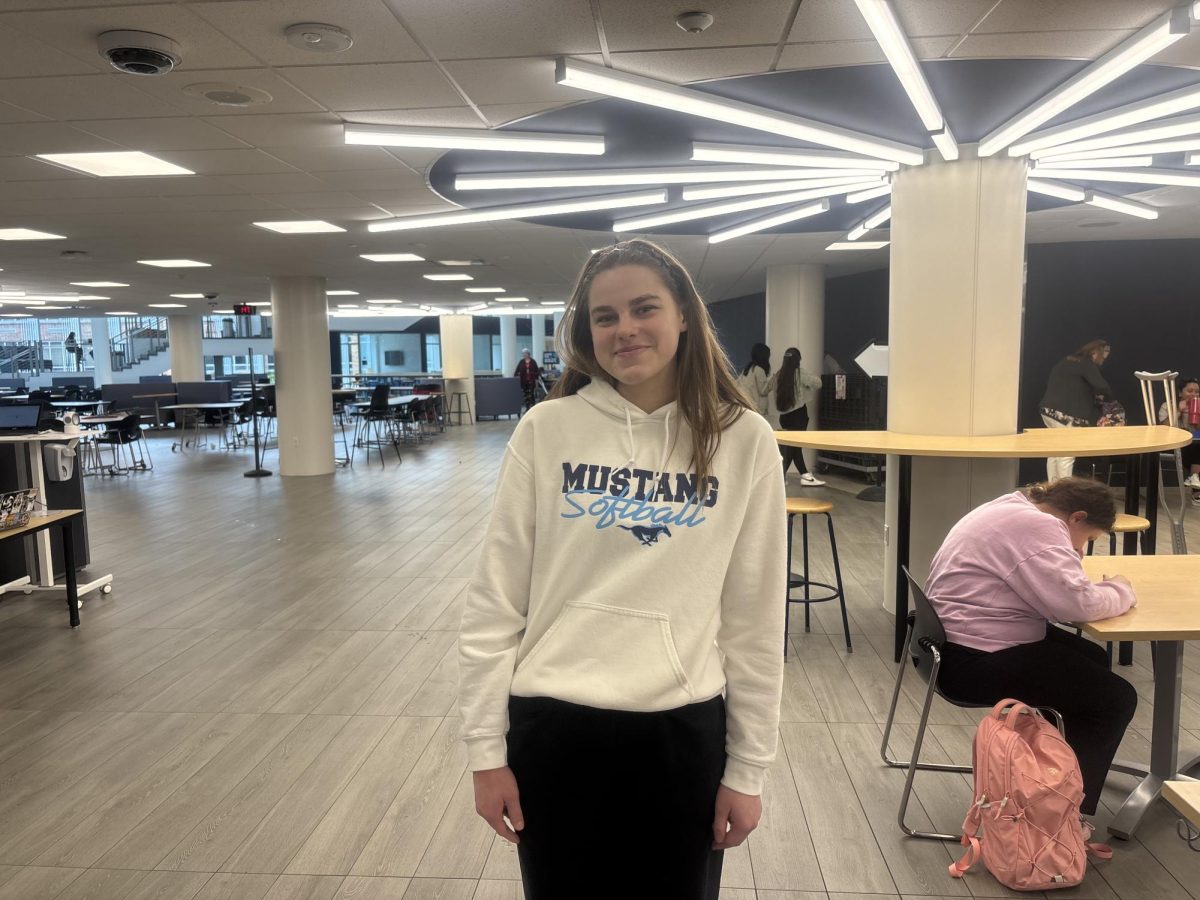
Senior Ellie Tran explained she wanted to take part in the walkout to support individuals affected by immigration enforcement, and because of recent news coverage she has seen on social media.
“Walkouts are a big opportunity to have teens’ voices heard, so I really wanted to be a part of this movement and show my support to those affected by ICE,” Tran said.

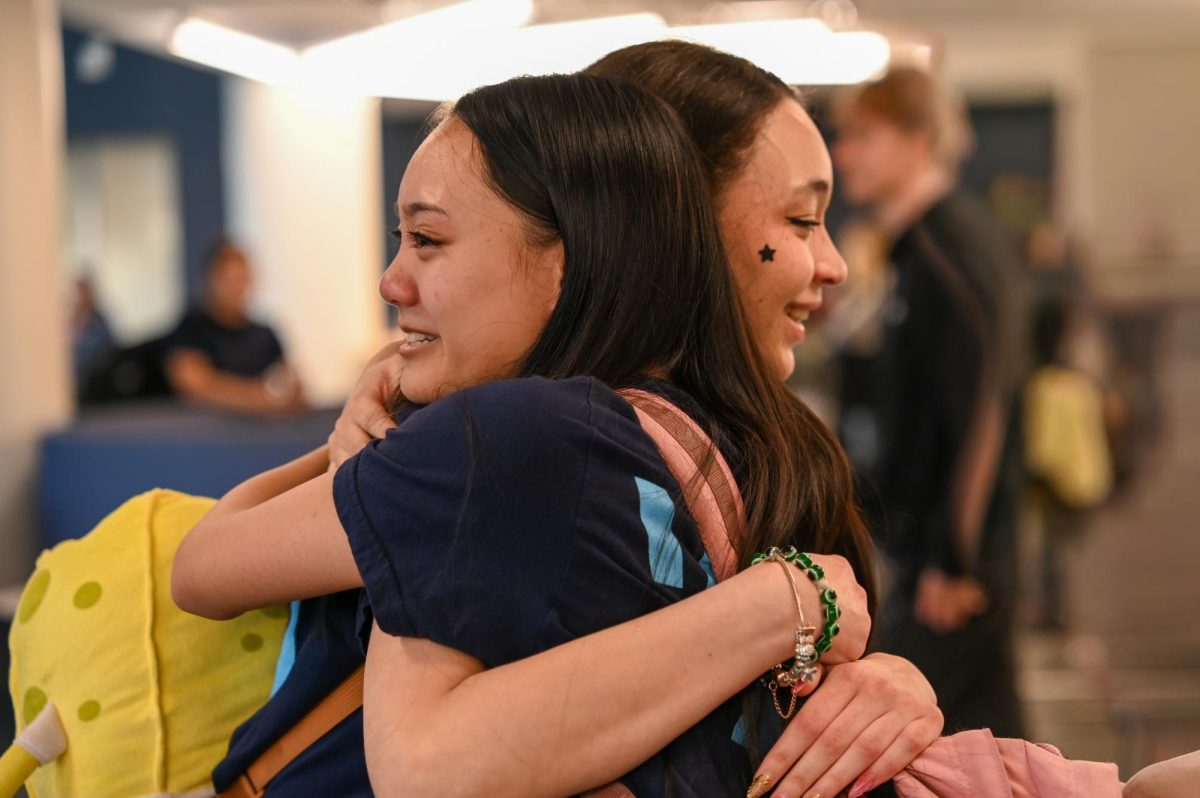
For senior Kate Wills, attending the protest felt important because of her views on human rights and community engagement. She noted that the atmosphere felt unified, and being surrounded by peers who shared similar values reinforced her decision to attend.
“I felt like everyone seemed really excited to be there and genuinely cared about it turning out well. It made me happy to see so many people with the same opinions as me come together despite the consequences that we will receive,” Wills said.
Wills also expressed what student-led activism means to her and why she believes taking action on current issues matters.
“I feel it is important for students to participate in activism because it gives us a chance to speak up about current issues while also making a real change in the world,” Wills said. “I also believe it is important simply because standing on the sidelines of injustice is just as bad as being the cause.”

Teachers who witnessed the protest and its impact reflected on the event and its broader context. DGS psychology teacher Bryan Szweda believes participation in activism can contribute to adolescent development.
“At this age, students are trying to figure out who they are and what is important to them,” Szweda said. “Engaging in activism can help them engage with others who share like-minded beliefs and create a sense of community, thereby helping them solidify their role in society.”
Additionally, the impact of a walkout can present challenges for staff as they work to ensure supervision and regular school routines.
“From an administrator perspective, a walkout can lead to many logistical issues,” Szweda said. “We are responsible for student safety during the day, and a walkout can result in a challenging situation for teachers who may need to adjust what they do in class depending on the number of students who participate.”
DGS history teacher Derek Hoovel also witnessed the protest. He reflected on how student activism at the school has evolved in recent years, noting changes in involvement around political issues.
“While there have not been many demonstrations such as the one held on Tuesday, students have become increasingly more engaged in advocating for change,” Hoovel said, referencing a 2018 walkout over gun violence.

During other periods of protest, such as the Black Lives Matter movement, Hoovel observed increased participation in his class discussions, awareness efforts and local community involvement.
“As a social studies teacher here at DGS, it is gratifying to see so many students willing to risk punishment in order to advocate for something they believe in, to see themselves as agents of change rather than passive observers and bystanders,” Hoovel said.
District 99 policy states that unapproved leave during the school day carries consequences. Students who leave campus without permission are subject to a four-hour detention and may not be allowed to participate in school activities or practices that day. The district encourages students to express their opinions in ways that are positive, respectful and safe.
Despite the risk of disciplinary action, many students said the opportunity to express their views made their participation worthwhile.