While DGS seems to believe its graduation requirements broaden students’ horizons, they are actually limiting students’ ability to dive deeper into their intended career paths and prepare for their futures.
DGS requires students to take a semester (½ a credit) of a Fine Art course and a semester of a Career & Technical Education course (CTE).
CTE has offerings in engineering, architecture & design, computer programming, computer design & animation, business, culinary, human development/education and fashion.
For many students whose career trajectory is decidedly in a field not related to any of these offerings, the CTE course requirement occupies a period for a whole semester that could be occupied by a course that actually will prepare them for their future.
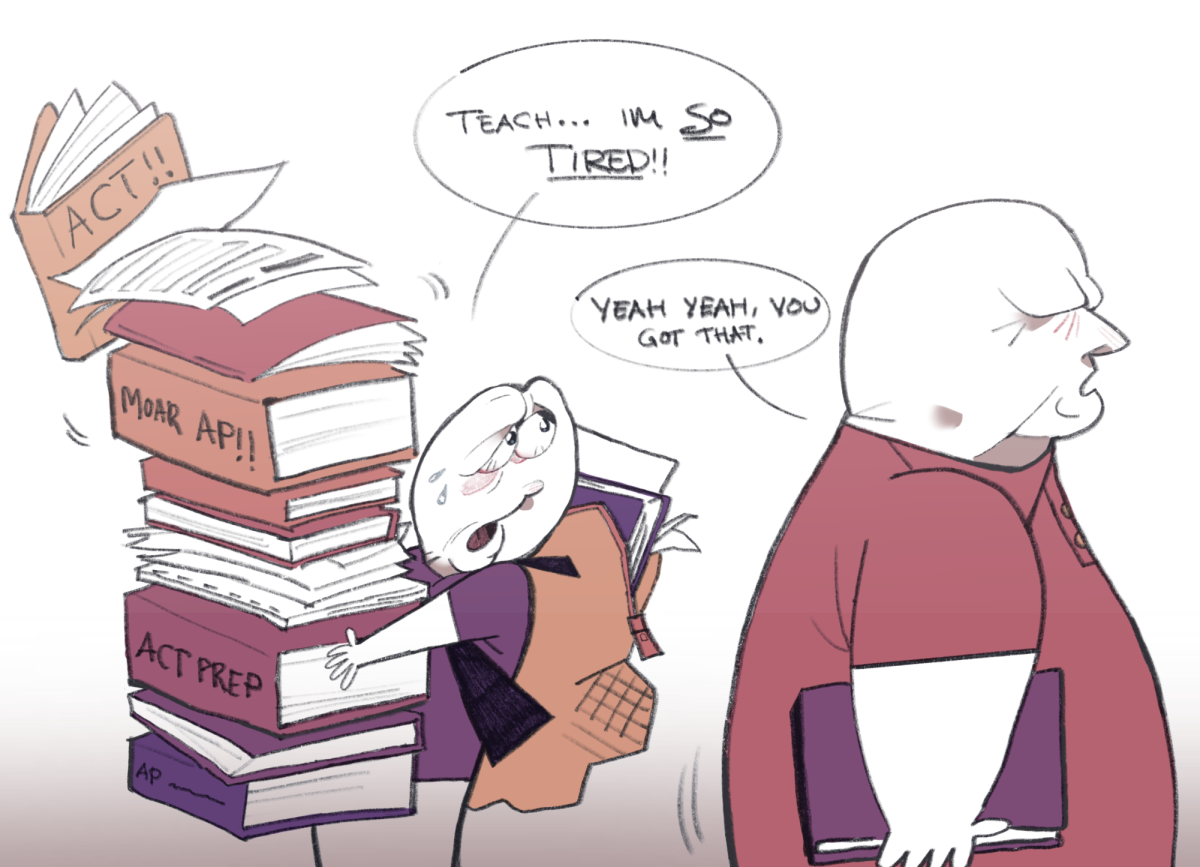
These courses generally prevent students from pursuing advanced courses that follow introductory courses for a specific career path. This can look like advanced journalism after journalism 1, advanced culinary after culinary, AP photography, Honors Engineering, Architecture 4, etc.
On the flip side, Fine Art has offerings in music, theatre, and visual art.
While it is extremely beneficial and important for DGS to offer these classes for those who have a passion for art, students without this fire for art don’t put forth the effort or pay enough attention to actually benefit from the course.
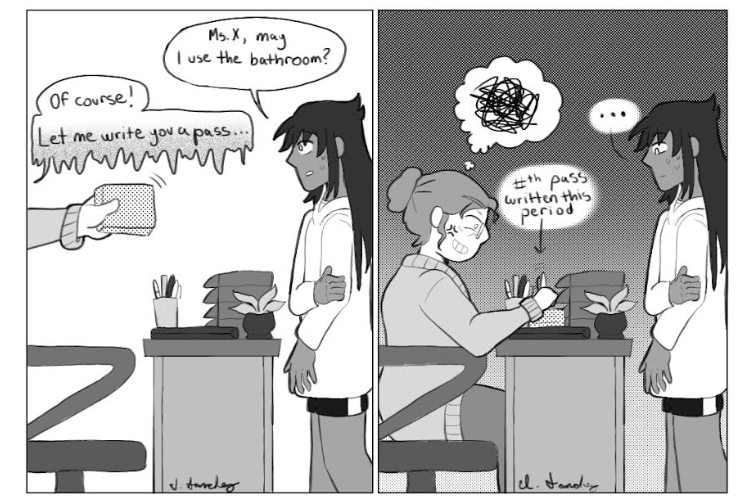
These school requirements don’t really encourage exploring new interests, but instead force students to halt their passions for classes they are not invested in. “Mandatory” does not create genuine interest.
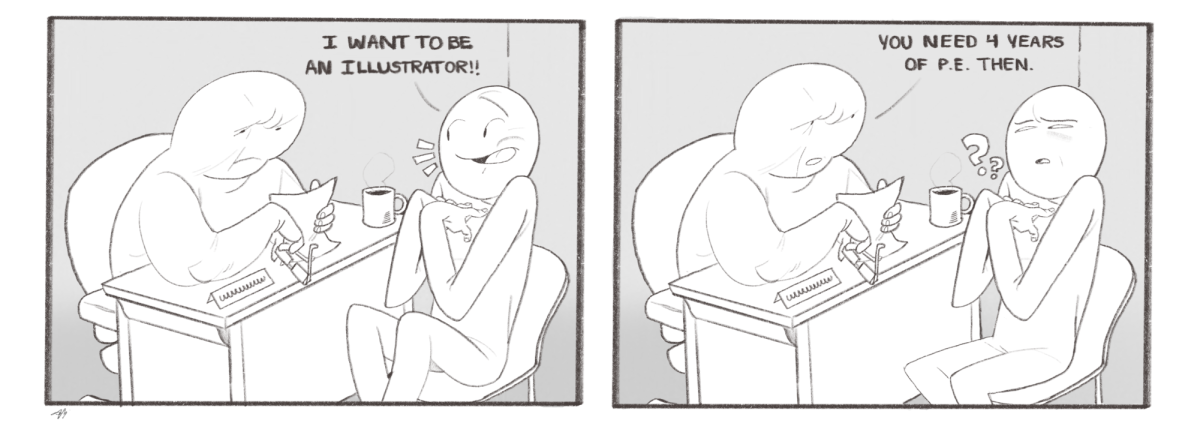
With requirements from the state to fulfill four full-years of physical education, students are also forced to spend eight semesters walking the track, or doing baseline physical exercise, even if they play a sport at the school.
As American high schoolers are forced to start thinking about college and career journeys earlier and earlier, course requirements should be adjusted so that students are able to set up the most padded and thorough application/resume by the time of their graduation. This is especially important for college prospects, as colleges want to see a student who has explored their desired field on the streets and shown genuine passion and involvement.
DGS could implement a system that allows juniors and seniors who have shown commitment to a specific career pathway to substitute certain course requirements for their own advanced courses; for example, allowing students who want to go into the medical field to be able to fill their schedule with biomedical principles and anatomy over art courses.
Education should prepare students for the future, not hinder their ability to chase their dreams. If DGS truly wants to prepare students for their career, the school must trust them with a more flexible schedule to pursue it.