
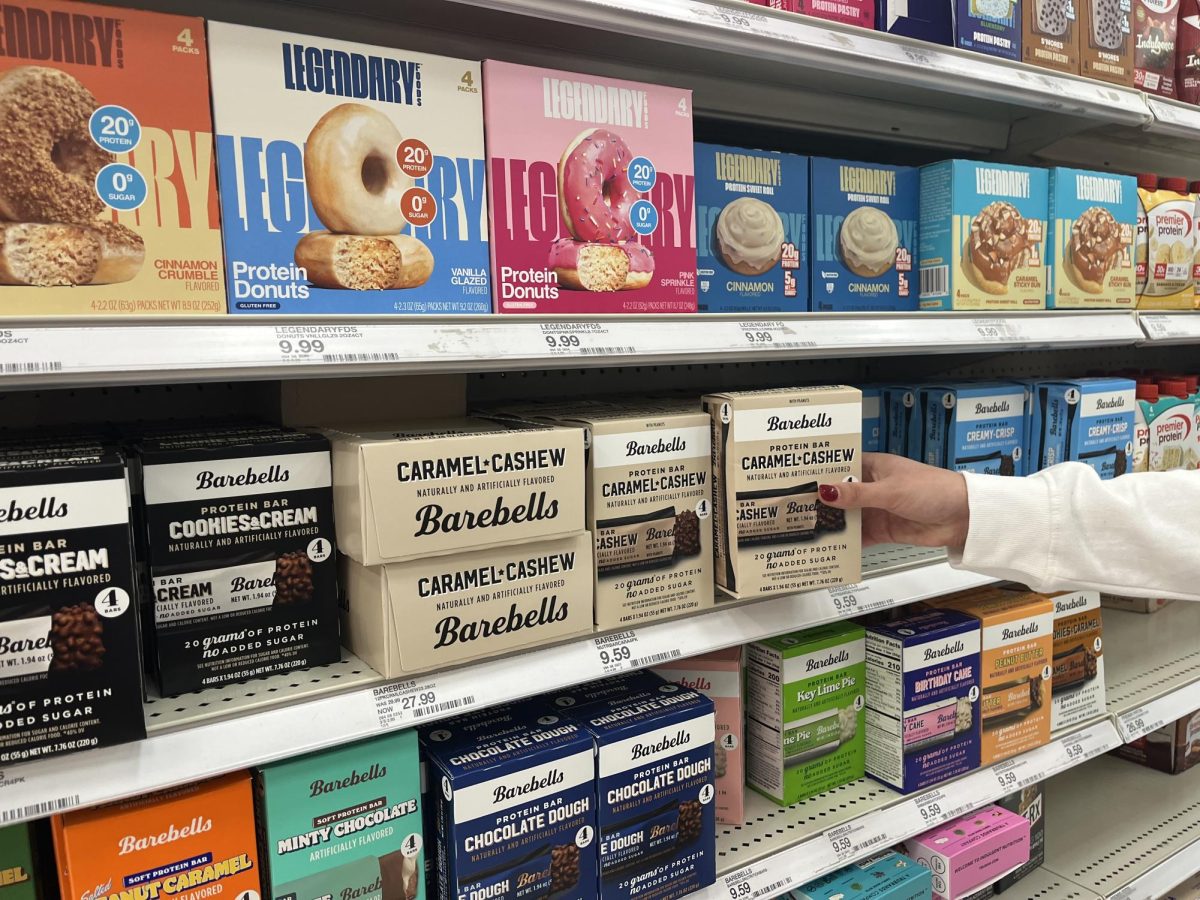
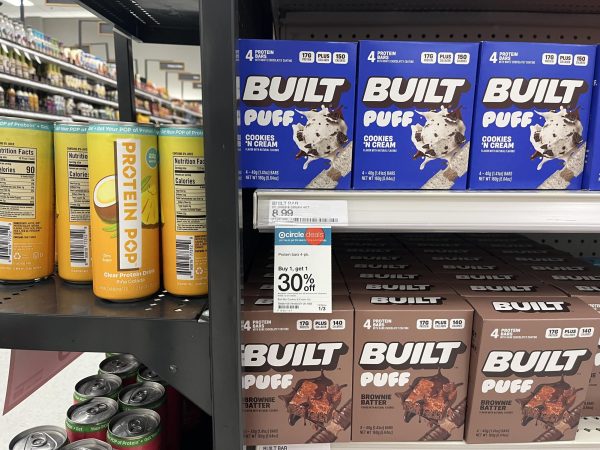
Protein popcorn, protein pasta, protein donuts and even protein water: protein has seen a new day in the spotlight in the past two years.
#Protein has been used in 33.4 million posts across Tiktok and Instagram, with many diet and gym influencers advocating for high protein based diets, claiming that these diets are the most beneficial for everyone, especially men and those aiming to build muscle.
While the claims about prioritizing protein are popular, they’re not backed by scientific evidence. Dietician Kimberly Landsberg (MS, RDN, CSOWM, LD) shared that the push many men feel to eat more protein is unnecessary.
“Most males exceed their protein needs, which is 0.8-1.0g per kilogram of body weight for all adults. Older people and teen girls typically take in less protein than needed,” Landsberg said.
The danger in centering protein is that other important nutrients can be overlooked or ignored. Landsberg spoke about how favoring protein can leave fiber ignored, resulting in a decrease of general health.
“Many people who meet or surpass their protein needs, follow a high protein, low carbohydrate diet. These people often don’t consume enough fiber, which is only found in plant-based foods. Fiber helps with blood sugar maintenance, bowel regularity, decreases the risk of diabetes, heart disease and certain cancers,” Landsberg said.
Landsberg also explained that a high protein diet includes risks beyond fiber.
“Many people who follow a high protein, low carbohydrate diet tend to consume more saturated fat, which increases their risk of heart, disease, diabetes, and obesity,” Landsberg said.
This neglection of nutrients beyond protein in one’s diet is especially prevalent in products marketed explicitly for high protein values such as protein bars and shakes. These items often aim to max their protein and minimize their calories, which results in all other types of nutrients to be minimized.
This habit of reaching for the processed protein bars and the protein water is popular, despite more traditional and natural sources of protein like meat or meat substitutes providing other nutritional benefits. Senior swimmer Lauren Bukey elaborated on her choice to eat a protein bar everyday.
“[Protein bars] keep me more full than other snacks, and they’re convenient,” Bukey said.
She also explained that she personally feels like protein bars make her feel like she is making good choices, because they support her muscles and goals as an athlete.
With this intimate insight into consumer psychology, many companies have begun to either roll out new protein products, or rebrand existing products as “protein packed”.
Protein water is amongst the protein-packed products gaining traction. It sticks out to many as water, a non-nutritional, calorie free beverage does not usually include protein or other additives. Even so, Grand View Research projects that the global protein water market will grow 8.8% from 2025 to 2030.
On Sept 29. 2025, Starbucks introduced both protein cold foams and protein milk. These products are whey isolate based. On Jan 6. 2026, Starbucks began offering Khloe Kardashian’s protein popcorn: Khloud. Together these products support Starbucks’ new saying displayed in front of select locations: “Protein never tasted so good”.
Even grocery stores have rearranged their marketing and layout to cater to people who aim to max out the protein in their diet. Senior Connor Burgess works at Target and explained how they chose to organize their protein based items.
“We have a pretty big aisle just for protein with a variety of different types of products,” Burgess said.
All these companies are turning a profit on consumers valuing protein above other aspects of their diet. Their protein products will start to lose monetary value if consumers become more educated on the real recommended diet by dieticians.
Prioritizing a balanced diet, focusing on protein, but also vitamins and fiber is the most recommended approach to nutrition. Landsberg supports this belief in prioritizing more than just protein in your diet.
“I would encourage a whole foods diet that doesn’t eliminate or prioritize any food group. Most Americans are deficient in fiber, which comes from our fresh and frozen fruits and vegetables, whole grains, beans and legumes, and nuts and seeds. People don’t need to be vegetarian or vegan, but the more non-processed foods they eat, the greater overall health,” Landsberg said.