As shining lights glimmer in the night, and Christmas music plays in stores, Hanukkah decorations start appearing in stores as well, an effort towards inclusivity through consumerism.
While the predominantly Christian United States sees Hanukkah as a largely important Jewish holiday due to its proximity to Christmas, it’s far from that. Hanukkah holds minor significance in Judaism, as it is not religious or directly tied to major biblical events.
Social studies teacher Motti Pikelny is greatly in touch with his Jewish culture, yet shares the truth behind Hanukkah’s perception in American society.
“Hanukkah is a minor holiday, it only became important more recently in the United States and to the West because of its proximity to Christmas, the Christian holiday that falls around the same time of the year. It’s a non-biblical holiday that is celebrated, but it’s not as important as most other Jewish holidays,” Pikelny said.
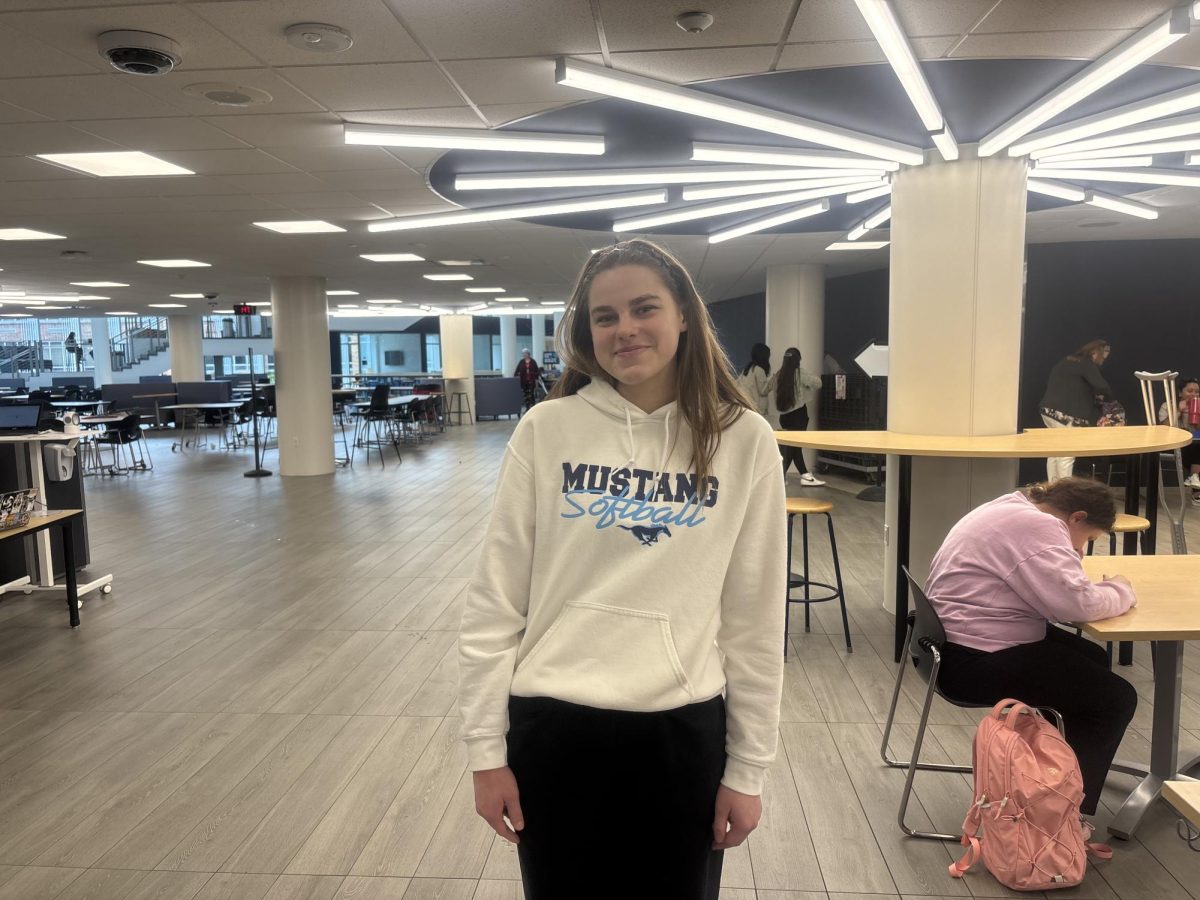
Freshman Rachel Weinstein has been brought up Jewish, and enjoys the celebration as a time to bond with family and feel in-touch with her culture, but acknowledges the superficial nature of the holiday.
Hanukkah spans eight days this year, beginning Dec. 14, and is a celebration commemorating the recovery of Jerusalem.
“It’s a commemoration of a rebellion against an occupying power and most non-Jews don’t know that. The equivalent would be if somebody that wasn’t Christian thought that Christmas was about the birth of Santa, not the birth of Jesus. Since it’s not really an important holiday in Judaism, and it’s such a small group, it’s not surprising that people don’t know about it,” Pikelny said.
As the celebration is overshadowed by greater holidays in the Jewish community, the start of this holiday is often anticlimactic.
“There’s not much preparation other than buying gifts for kids, which is a relatively new tradition as linked to the way Christmas became like a consumer tradition in the United States in much of the West,” Pikelny said.
There are, however, valuable Jewish holidays that are often overshadowed due to the correlations made between Hanukkah and Christmas.
“Most Jewish people, we go over this a lot, our most important holidays would be Rosh Hashanah and Yom Kippur, which are of actual importance, and Hanukkah is just a retelling of the story of the win of the Maccabees against the Romans,” Weinstein said.
Holiday capitalism fills stores with cheer and ideas of presents, yet can present challenges, especially young children who yearn to belong.
“The challenges are there for any families or individuals, but especially kids that are in a smaller religion in a larger culture. This would be true for Muslim families or Hindu families in the United States. The pull of the consumer culture around Christmas, which isn’t really the core of Christmas, can sometimes be tough for kids because they potentially feel excluded,”
Pikelny reflects on his own desires for inclusion when he was a child.
“When I was younger, I remember being a little bit jealous of why is there Santa Claus everywhere and stuff? It makes sense, given the percentage of people in the society, it’s a very predominantly Christian culture, and there’s nothing wrong with that celebration,” Pikelny said
Pikelny’s wife captured the Hanukkah preparation experience through her award-winning show episode titled “A Celebration of Hanukkah.” She received a Chicago Emmy for the 2024 film, produced last year for PBS, which highlights the experiences of this celebration for many.
“My wife made a Chicago Emmy-winning episode of a show about Hanukkah for PBS last year that’s gonna be rebroadcast nationwide in a couple weeks and it’s free on the web. It has a lot of thoughtful stuff about [Hanukkah]. It’s like 50 minutes long, but it’s really good and my kids are in it too,” Pikelny said.