The sun burns bright, and the sound of laughter permeates the air at Cypress Cove Family Aquatic Park. The whistle blows as lightning strikes; a storm has arisen. Most guests make their way out of the water, but a group of elderly Latino guests pause in confusion, panic sets in and they don’t know what to do.
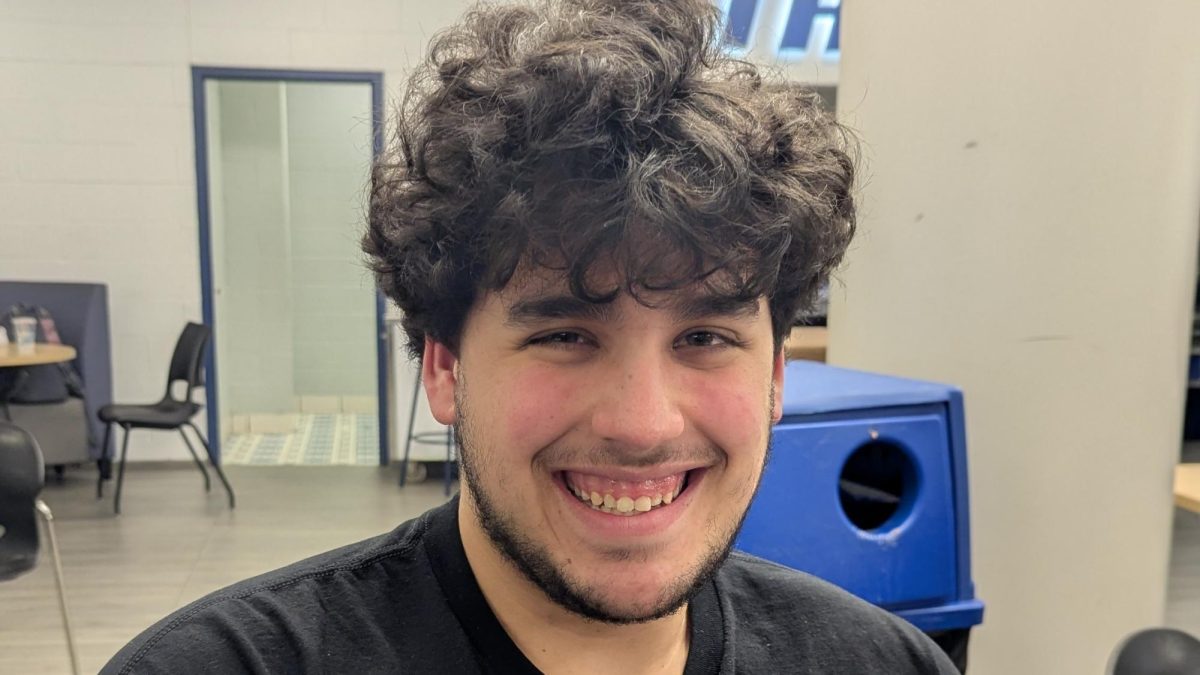
Senior David Kosinski steps in, calm, collected and ready to take control of the situation. He translates the announcement into Spanish with clear precision. The tension melts away; they understand.
For Kosinski, this is a frequent occurrence. Since his sophomore year, Kosinski has worked over the summers at Cypress Cove Family Aquatic Park as a lifeguard. He often helps translate important information to patrons who do not speak English.
“Since I’ve worked as a lifeguard, there were a good number of times that I spoke in Spanish with some guests, mainly older people. People didn’t understand the announcements, so I would just translate for them when they’d walk up and ask me what was said,” Kosinski said.
Language is everywhere, regardless of the environment: workplaces, schools, neighborhoods and simply put in our community. It is the quiet constant that connects people, an invisible string that stitches together stories and oftentimes is emblematic of not only who a person is, but who they strive to be.
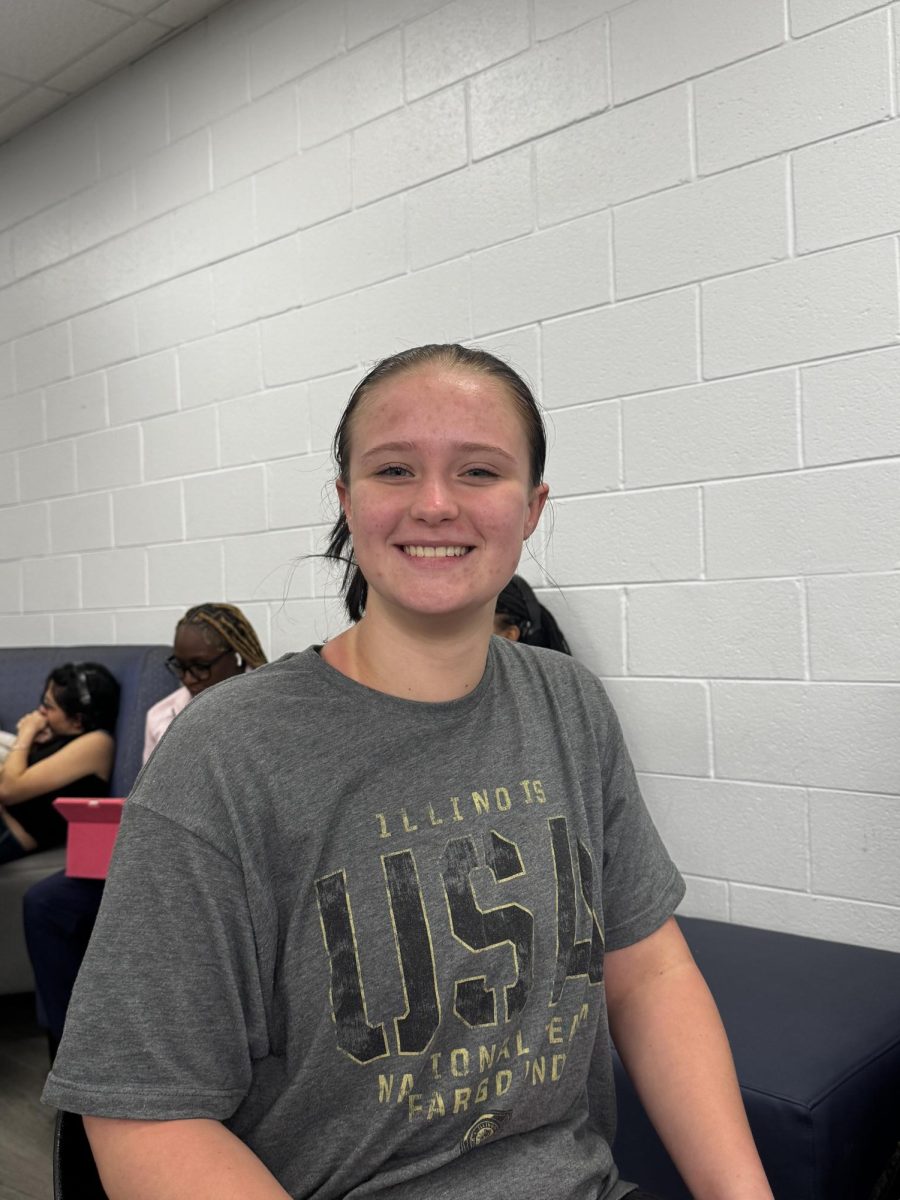
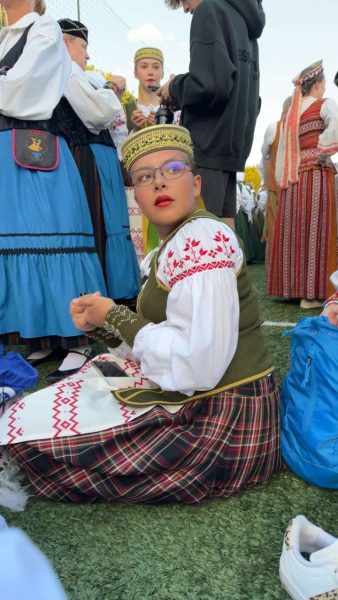
Sophomore Sophia Tisoc found her closest friends and love of dance through her Lithuanian culture.
“I also used to do folk dancing until last year. It really allowed me to connect with my culture a lot. Through dance, through arts,” Tisoc said.
Now, more than ever, political tumult has made the inability to understand a predominantly spoken language a scary experience — one that fosters feelings of isolation and uncertainty. It is critical that educated and able-minded members of society take action and help rebuild communities in places that have been broken the most.
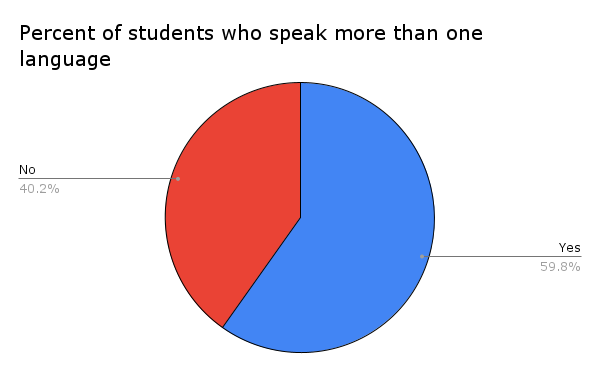
Students at DGS like Kosinski are already crossing these bridges. 59.8% of DGS students are fluently bilingual or multilingual. This uniquely versatile skill is an asset in fostering a sense of belonging and togetherness.
Kosinski’s ability to speak Spanish as a non-native speaker is beneficial in DGS.
“A lot of people are genuinely surprised that I can speak more than English, so in the case of Spanish, I’ve been able to connect better and make more friends. Also, since I speak Polish, I’ve been able to just have good times talking in Polish with my friends. Overall, I feel like the impact is that the community has closer bonds and is just more flexible to differences,” Kosinski said.
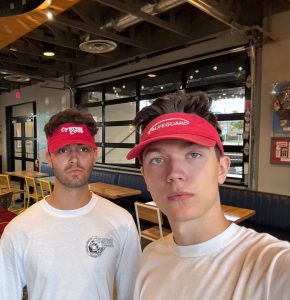
Kosinski is a multilingual student who is currently taking Spanish 5. He determined that, alongside his participation in Spanish classes, Duolingo has helped him understand Spanish on a fluent level.
“Duolingo helped me get used to reading and understanding the past tense. It helped me understand Spanish music and even videos. I get recommended a lot of [Spanish] content on Instagram,” Kosinski said.
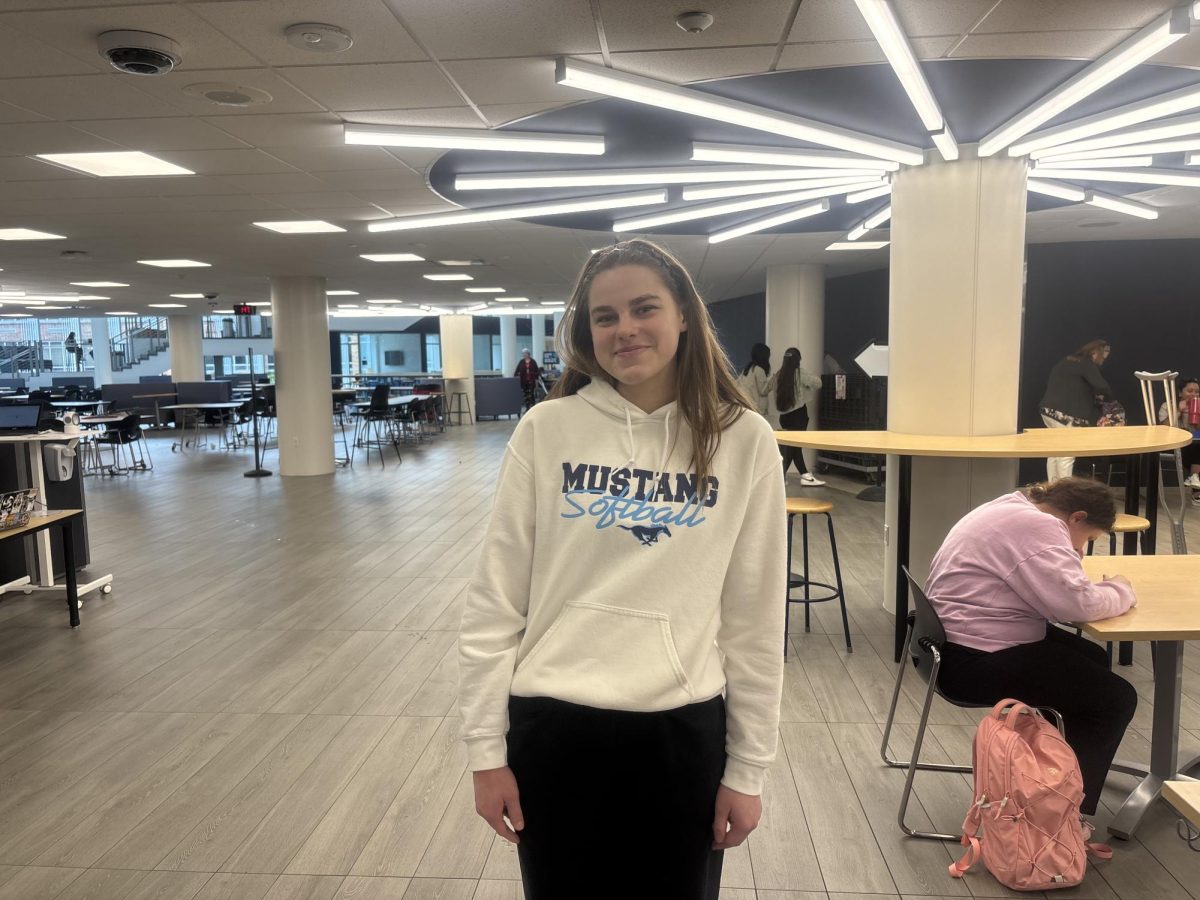
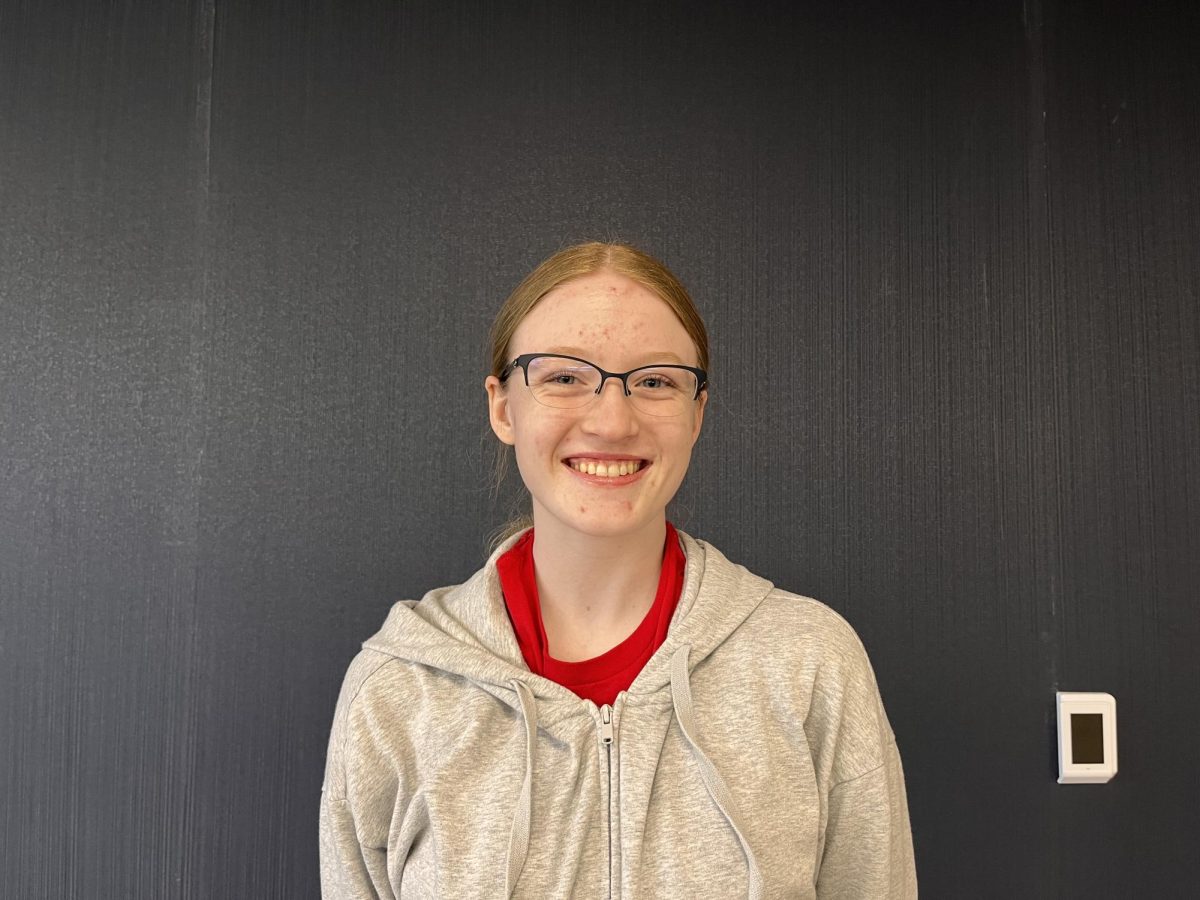
Junior P.E. Leader Xavier Aguilar has seen firsthand how language can transform a school setting as he started translating for his classmates in his freshman year.
“I first started helping another classmate during freshman year P.E. I remember he didn’t speak any English at all since he came from Mexico, so I had to translate for him. Although I was only a student assisting another student, the teacher was very thankful for my help in translating,” Aguilar said.
From helping students in P.E. classes, being a lifeguard at a public water park, connecting with culture and providing solace to patients, students are taking advantage of their skills.
Now, as a P.E. leader, Aguilar helps students who don’t understand teacher instructions with Spanish translations and specific demonstrations.
“With me explaining and speaking Spanish to them, I have seen how they get more comfortable, and they trust me more than anyone in the class. This also gives the student more confidence to play the game or even try to speak English as well, because they know I won’t judge or anything, and I will help them with whatever they need help with,” Aguilar said.
Aguilar also believes in the importance of his role as a bilingual speaker in the school community. For him, it is more than just a skill; it’s an obligation.
“Personally, being able to speak Spanish to Spanish-speaking students gives me a lot of pride, [and] comforting feelings since I know being able to speak Spanish to the students can build trust and comfort in class. I know they get relieved when they hear me speak Spanish to them. Having this ability gives me a good feeling of how I can make someone feel better and look forward to P.E. class,” Aguilar said.
Outside of school, language is a lifeline in professional settings.
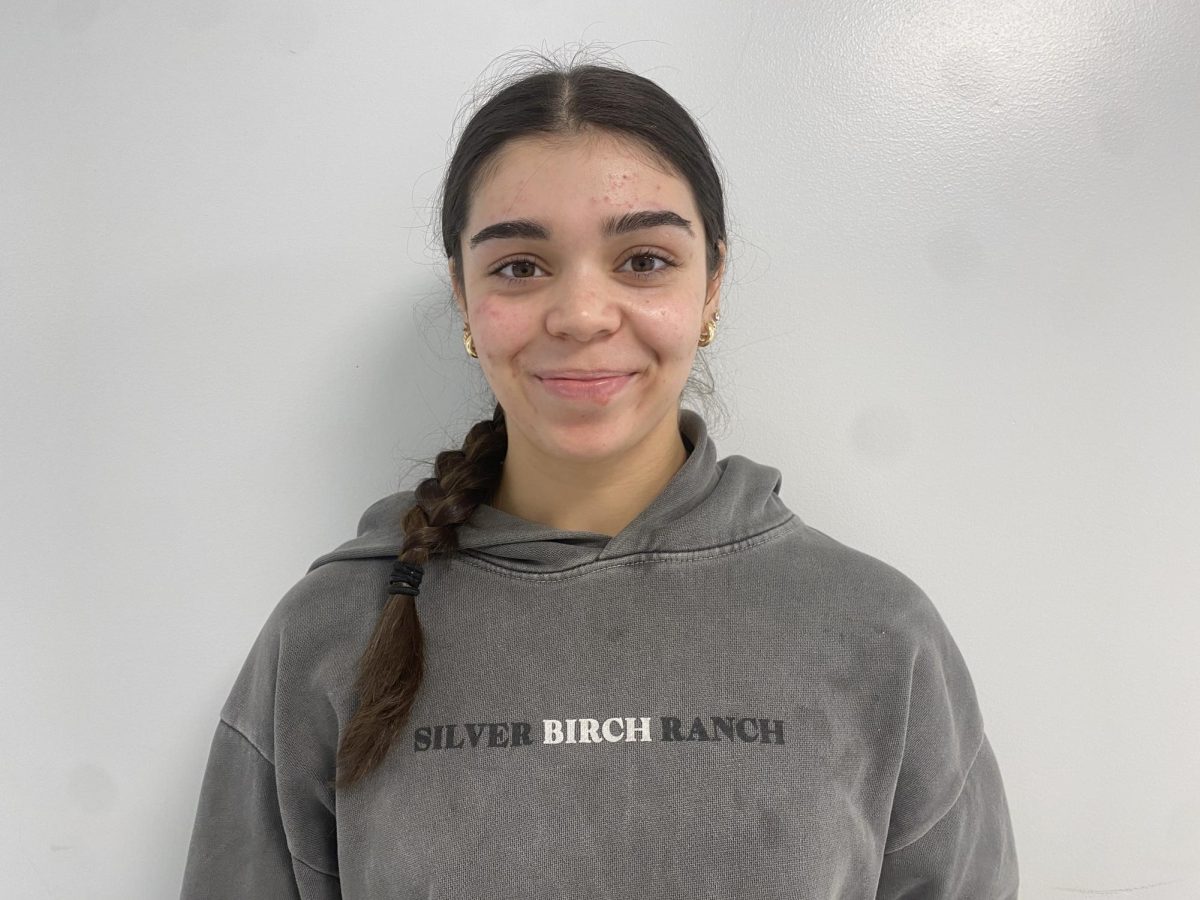
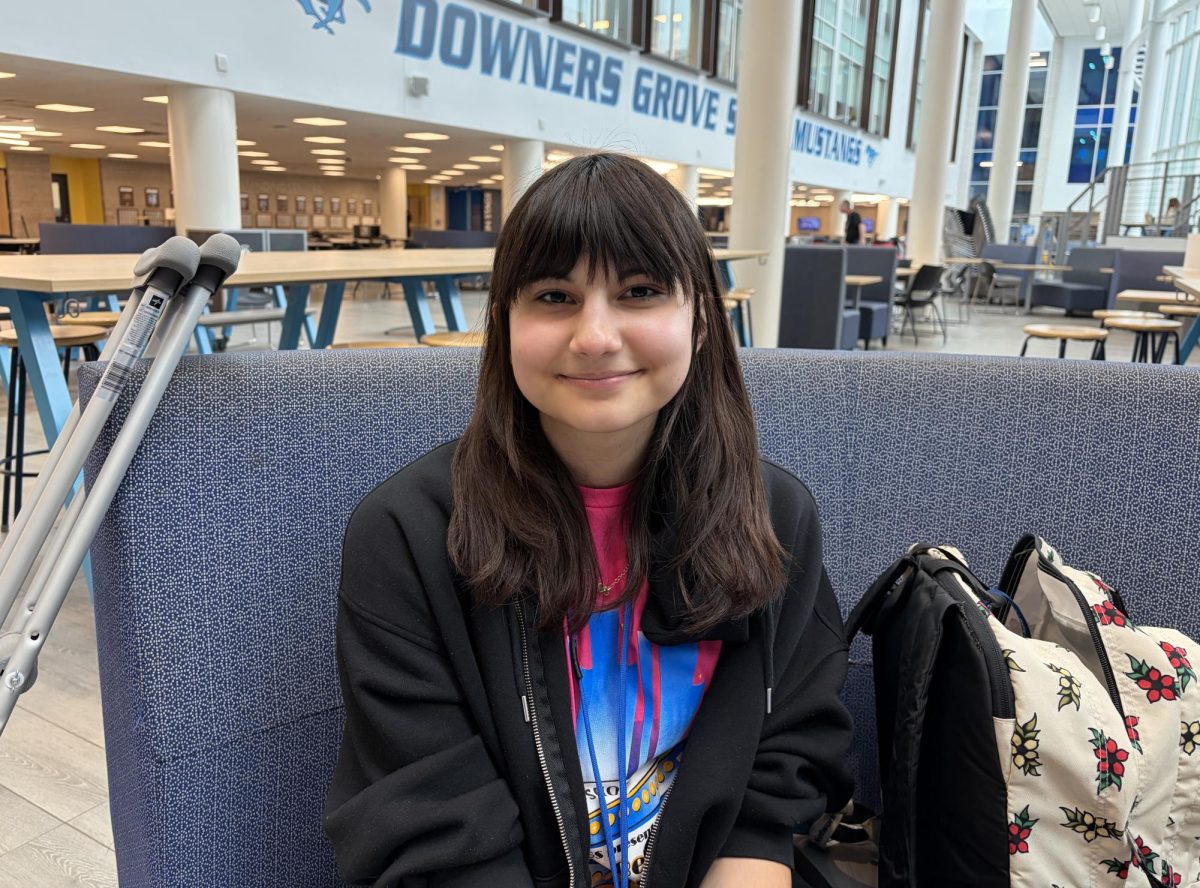
Senior Zoya Siddiqui uses multiple languages while in the occupational setting. Siddiqui is currently a medical assistant at UChicago Medicine AdventHealth in Bolingbrook. Alongside her duties, Siddiqui specializes in communicating with older non-English speaking patients and was hired specifically for her communication skills.
“I got hired for my medical assistant job because I speak Urdu, and there are a lot of elderly patients. Because I work in [Bolingbrook], there’s a lot of [South Asian] people over there, so they need someone who speaks [their languages],” Siddiqui said.
Siddiqui reflects on the positive experience she has had using her bilingual skills in the workplace and in her community.

For Siddiqui, language holds significance beyond her ability to help others; it builds bonds and strengthens culture.
“America is a country that was born from immigrants, immigrant languages, and I think that by placing a larger emphasis on learning these languages, the more languages you know, the broader your scope is overall,” Siddiqui said.
Spanish teacher Cyndi Montero shares the same sentiment about the advantages bilingual speakers have in today’s society.
“If you look at the population of the United States, there’s a large population of Spanish speakers, which can help you in the workplace. Somebody who has a language isn’t able to communicate in the language; it opens up so many more doors for them than other people who don’t speak a language. In a job interview, if two candidates are equally qualified and one speaks another language, it could be Spanish or another language, that candidate is more likely to get that job over the other one,” Montero said.
Montero reflected on the relatability bilingual students bring to the table in culturally diverse communities.
“People really appreciate it when you speak to them in their language, if you know another language right. Some of my students are like, ‘Oh, I don’t want to insult them or anything like that.’ It’s not insulting, people appreciate it that you took the time to learn about their language or their culture,” Montero said.
Diversity enables growth. Welcoming diversity builds a community that can handle anything. The skills multilingual students have turn confusion into clarity, isolation into honesty and treat vulnerability as a strength, not something to be ashamed of.
“I think the idea of revival is so important in diversity, and I think that by placing a larger emphasis on learning these languages, we can bring that diversity and inclusion back,” Siddiqui said.