Makeup is often viewed based on the shades, colors and applications of it all. For many people, it has become an everyday ritual that turns a tired, early morning into a confidence boost to start the day. However, makeup can be a way to transform someone’s face into something they are comfortable sharing with the world.
In a beauty industry that profits primarily from our insecurities, makeup holds a lot of power over how we see ourselves and the people around us. Understanding why some mascara and concealer can feel like armor can reveal much about how people navigate their inner selves and the power they can hold.
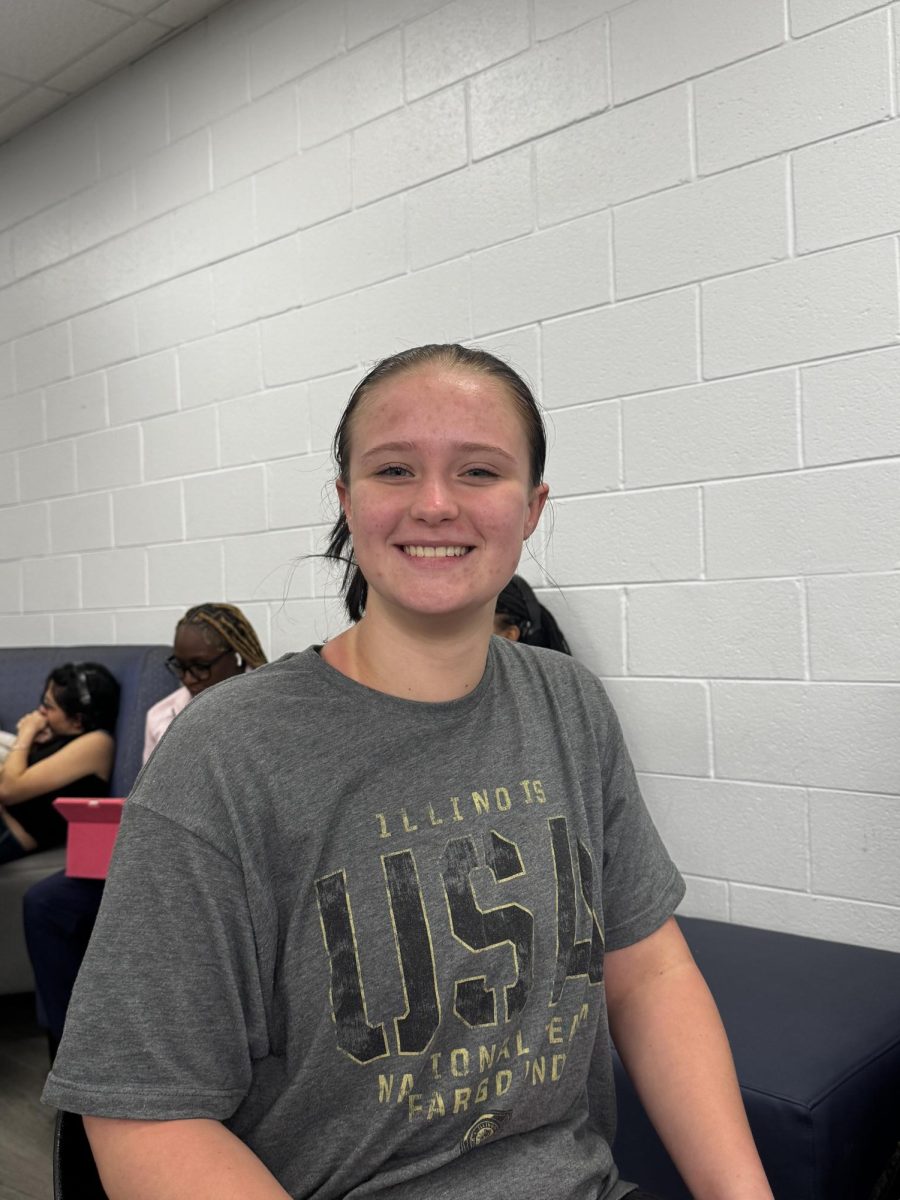
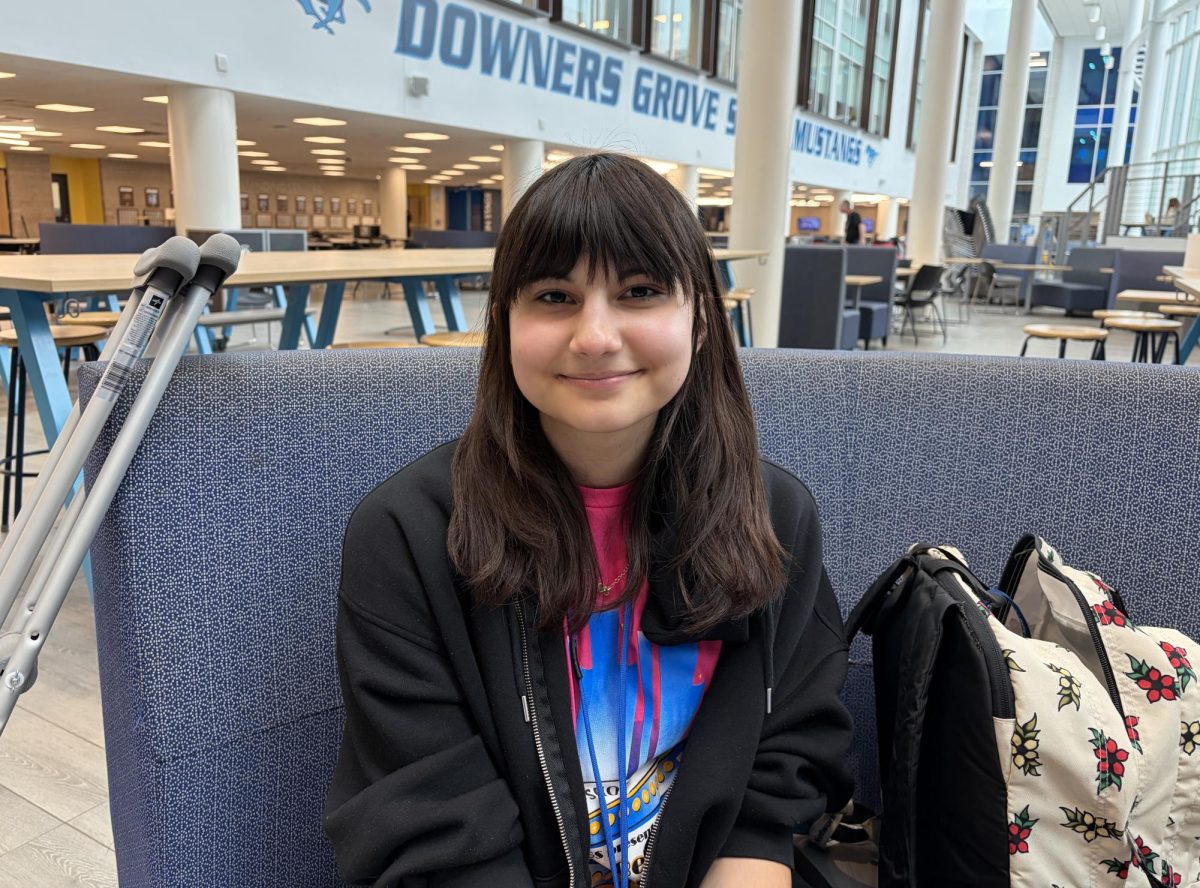
Sophomore Claire Zimmerman wears makeup to school every day, much like many other students. Zimmerman shared her experience with this and her view on the power makeup is able to give people.
“I think short-term, it can make girls feel better about themselves and make them feel more in power over themselves, but long-term, it very much negatively affects girls and society as a whole,” Zimmerman said.
Zimmerman’s perspective highlights the tension that many people struggle with as makeup can have two sides, empowerment and exhaustion. When individuals rely on the power brought from makeup, the line between self-expression and self-creation can become blurred. Her experience conveys how that power can be abused and bring out even more insecurity.
“I think society pressures girls into believing that they aren’t beautiful without makeup, but girls should feel comfortable in their own skin even without it. I definitely feel insecure when I don’t wear makeup in public because I have been trained to think I’m not as pretty when I’m not wearing it,” Zimmerman said.
Zimmerman’s description of feeling trained to believe she’s not as beautiful without makeup shows how powerful and frequent these messages are. This also plays into how makeup can be a shield and boost for teens who are still learning confidence. But when that fortitude comes from covering up insecurities, it becomes harder to separate genuine confidence from impossible pressure.
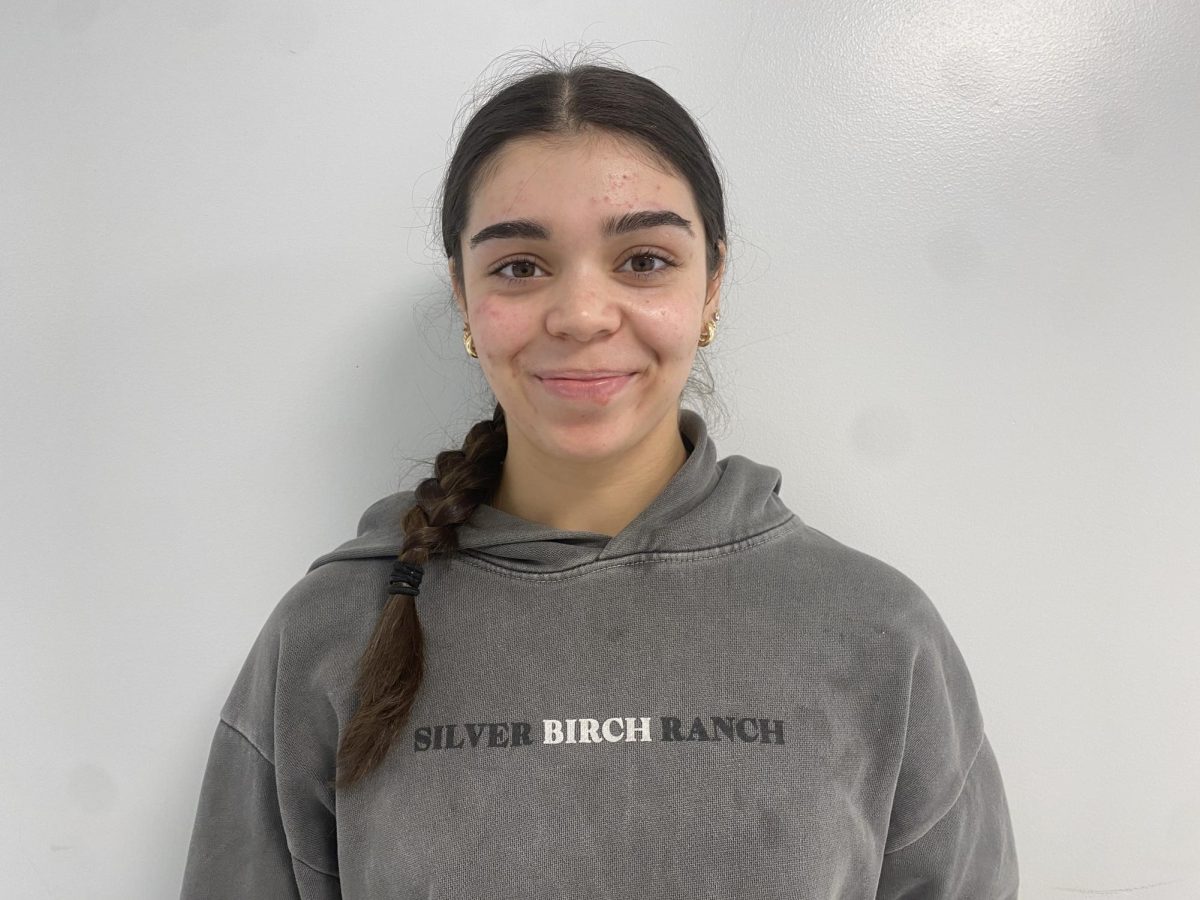
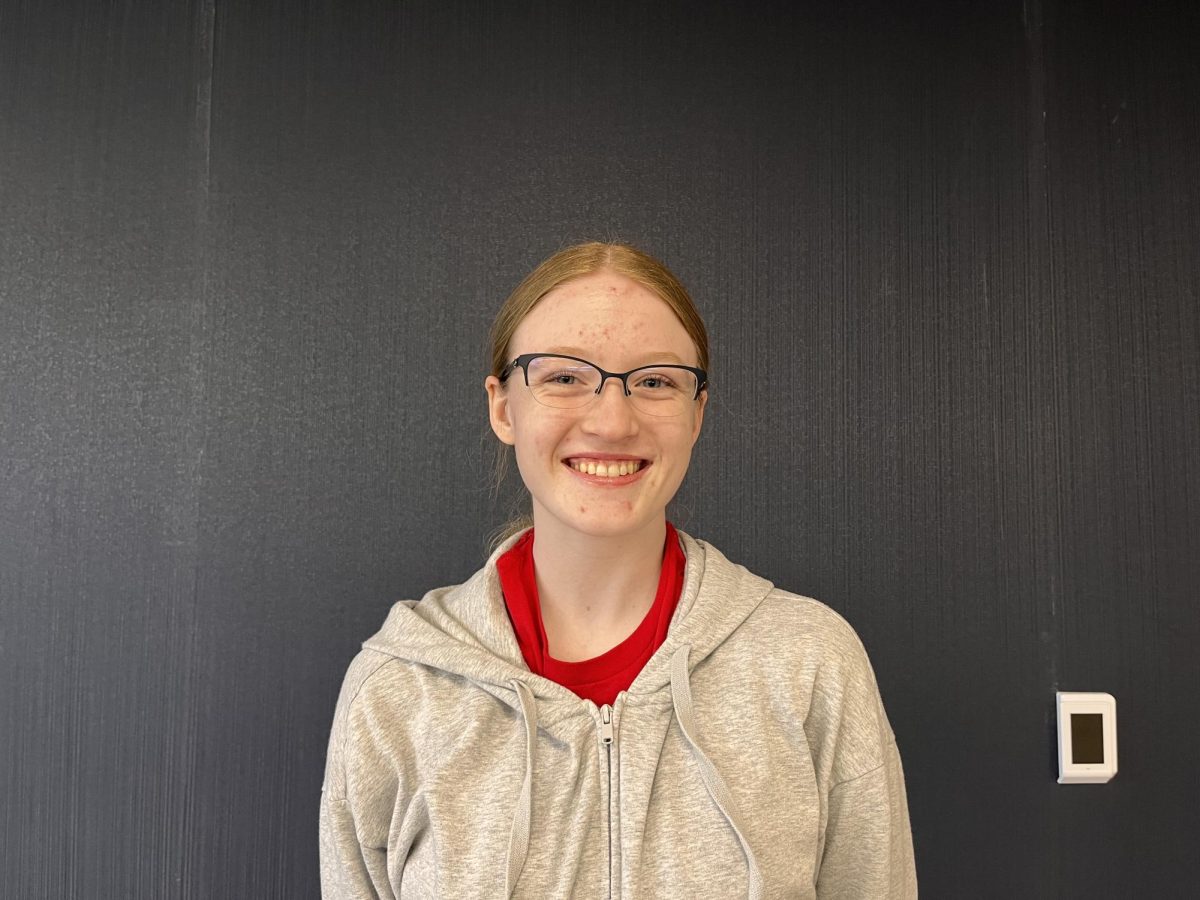
Zimmerman’s sister freshman Molly Zimmerman, can speak about how she and the people she observes around her are affected by the power of makeup, although she herself now refrains from wearing makeup.
“I have had moments where I feel more powerful when I wear makeup because if I feel like I look super pale or feel more insecure, then it makes me feel powerful. I often see my friends around me going through similar experiences,” Molly Zimmerman said.
While both sisters describe makeup as a capability, Molly Zimmerman highlights how this routine, on occasion, can feel grounding. It’s not just motions to cover your face, it’s a daily ritual that can heavily shape people’s mindsets about beauty.
“Makeup doesn’t affect my view on others because I think if someone feels pretty or good, then they look pretty. So if wearing makeup makes you feel confident, then I think you should do what you want to do,” Molly Zimmerman said.
When you feel empowered by your makeup, most times the people around you will feel that too. There is an added pep to your overall appearance that isn’t just found in the products that you use.
Mother of both of these children, Maggie Zimmerman, sees the power of makeup play out in her house daily and is able to speak about some of her encounters with it.
“Makeup can hide some imperfections for both young and old people, which can give us control over how we look. When you have any blemishes or redness on your face, my daughters cover it up with makeup, which makes them feel better about themselves,” Maggie Zimmerman said.
Maggie Zimmerman’s point is that confidence itself can make someone look beautiful, which comes from both makeup and internal qualities. The real transformation can come from how people carry themselves when they feel good, which is often a product of the makeup and boost it gives to not just their appearance, but in turn their self-respect.
“I believe girls are greatly affected by the beauty culture. I think society puts too much pressure on girls’ outward looks as opposed to their inner beauty. Makeup is a powerful tool that can be used to make you feel positive about yourself and confident. I think teens think makeup will mask their insecurities; however, they’re too young to realize it won’t,” Maggie Zimmerman said.
This perspective shows how people nowadays are pressured to get that power from makeup. Society says that this is what you need to feel good about yourself and actually have that self-confidence, which is where that power has sprouted from.
Psychology college student Grace Rerucha, explaining why people feel this way, goes a little deeper into the mindset behind these thoughts.

“Makeup makes people feel more powerful because they can change their appearance. Editing parts of their face that they feel less confident about can make people feel better about themselves and, therefore, more powerful. Teenagers are the most affected by makeup, personal image and insecurities,” Rerucha said.
Rerucha’s insight highlights how deeply makeup can control a person’s emotional and physical feelings about themselves. Teens often look for something to control in a time of uncertainty, which turns into a coping skill. This reveals why the power of makeup is so complex: it can give power to a person but also make them feel unworthy without that power.
“Teenagers are always thinking about their cognitive perception and how others will view them and when combined with hormones and social motivation, makes them reliant on appearance-based validation. Makeup boosts confidence and allows teens to express themselves and can be a shield, but in a good way, like a tool. It makes teens feel better about themselves and be confident while growing into their own skin,” Rerucha said.
The complexity Rerucha describes identifies a deeper truth about the role of makeup in one’s identity. It can become a shield and a spotlight for both good and bad. The power of makeup sometimes becomes mixed with insecurity which creates a cycle where confidence is borrowed instead of built up.
Ultimately, makeup power comes from the confidence it can ignite in individuals, but also the insecurity it can mask. When teens learn to value themselves beyond what they can fix with a bit of makeup, makeup becomes more of an expression by choice, instead of a requirement for self-assurance.