
Amidst the ever-expanding world of cheaply produced products, the art of crochet has hooked many people into its captivating craft. From little stuffed animals to functional fashion pieces, Generation Z’s rising interest in crochet has made an impactful change.
Crochet takes on a different meaning for everyone. The needlework technique, in which yarn or other fibers are looped and interlocked with a single hooked needle, carries deep historical meaning for some and the possibility of modern innovation for others.
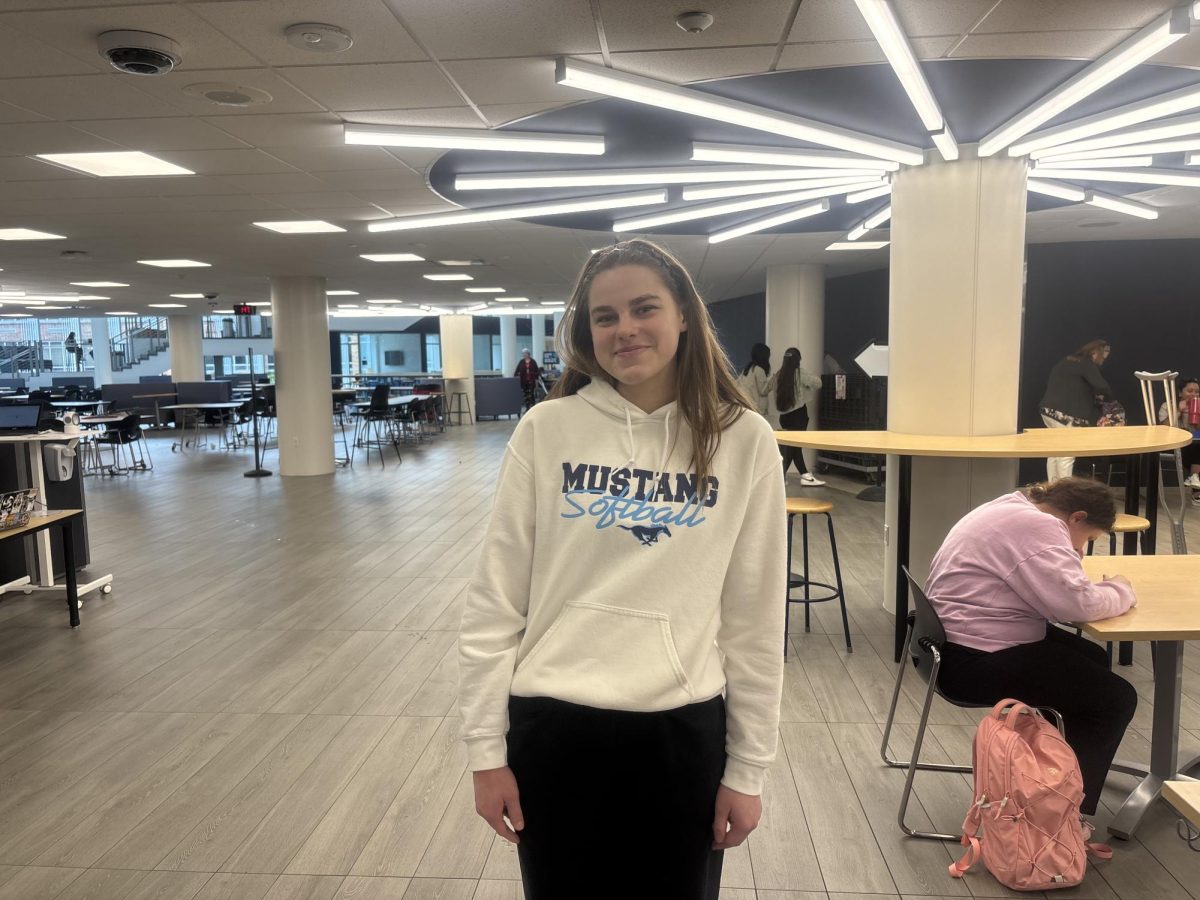
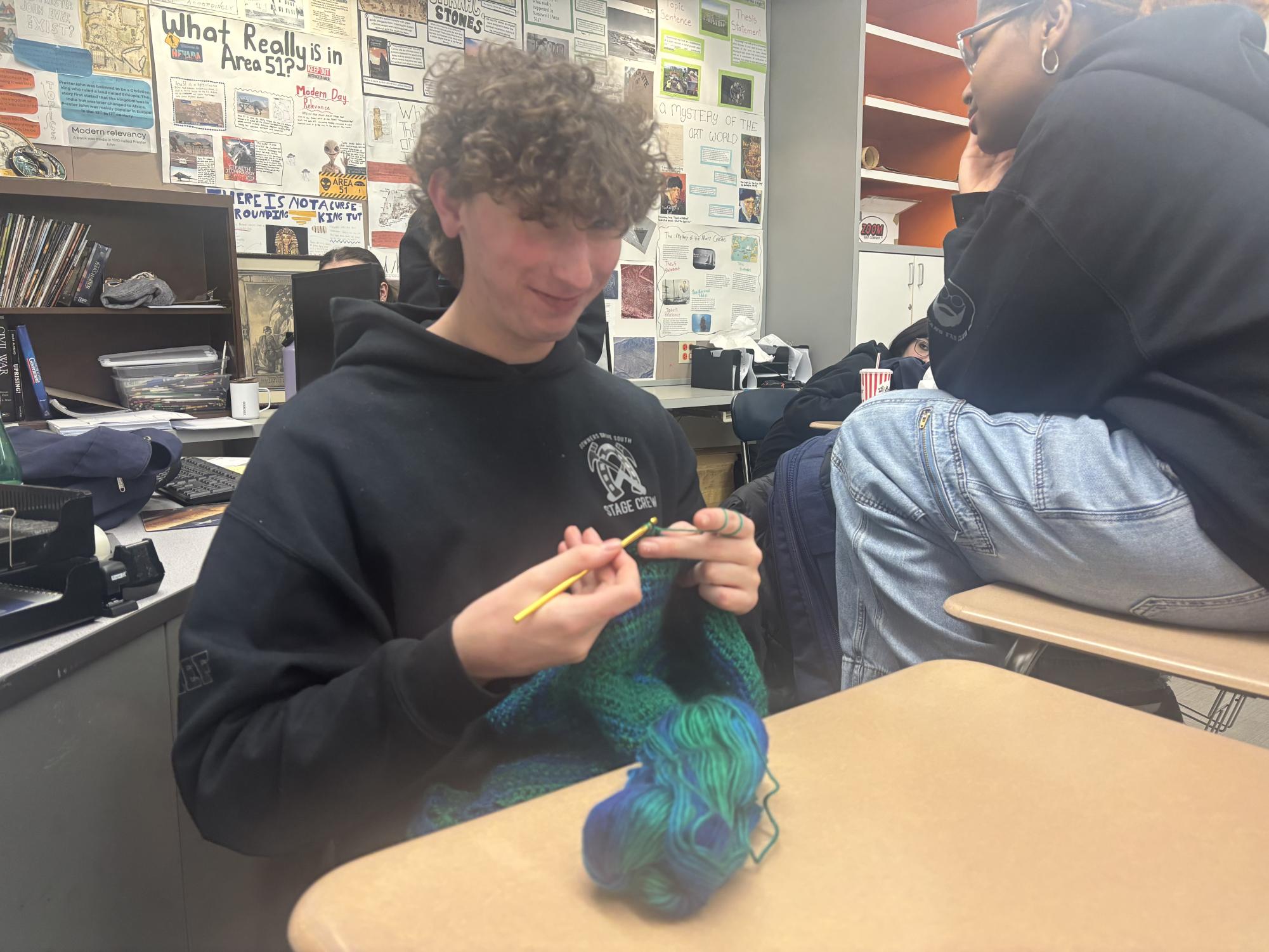
For sophomore Sadie Novosel, new crochet opportunities have opened through the internet.
“I started crocheting about 4 years ago, and what initially sparked my interest in it was videos I saw online of people making different types of crochet projects,” Novosel said.
During the COVID-19 pandemic, many people who were stuck at home searched for a new hobby. Within this hunt for passion, an online community of crochet artists began to grow. This growth sparked a shift in the average age demographic participating in the activity.
The newly formed group of crafters mostly consisted of younger people, specifically members of Gen Z. According to Crochet Penguin, a crochet website focused on data insights and helpful tricks, over 73% of current crochet artists are between 18 and 34 years old. It also notes that over the past 20 years, the number of crochet artists has increased by 213%.
With the power of modern technology, not only can more people crochet, but a rich bank of patterns and ideas can accumulate. These resources are an innovation in the art form, as they provide helpful tutorials and inspiring ideas for any crochet artist.
“I first learned to crochet using YouTube tutorials, and the internet has continued to enhance my experience with crochet by providing me with new techniques and patterns to try and learn. Since crochet has gotten more popular, I’ve been able to learn more about it and expand my knowledge on the hobby,” Novosel said.
However, crochet also has deep roots within families. Fiber arts such as knitting and crochet have long been passed down, specifically by women. Their practical applications and meaningful messages have been a common thread throughout history.
Although knitting originated much earlier than crochet, with its earliest traces found in ancient Egypt, crochet gained popularity in the early 19th century for its affordability and more approachable technique.
According to Mother Knitter, a historically focused fiber arts platform, the practice of Irish crochet became particularly popular as a means for income during the years of the Irish famine. Today, many of these historic ties have shaped the meaning of crochet into something worth passing down.
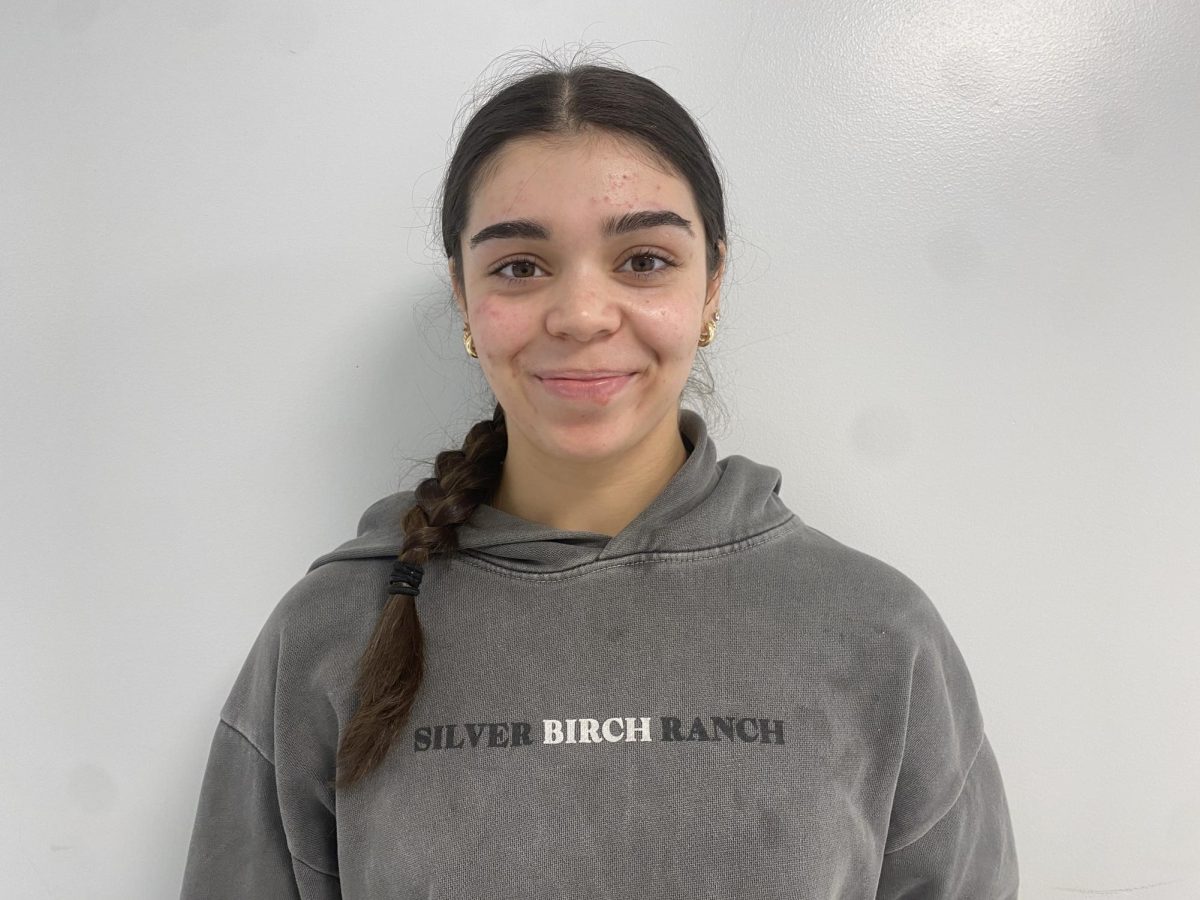
For sixth grader Molly Clark, her mother taught her how to crochet.
“My mom was crocheting, and I wanted to know how to do it, so then she taught me, and I like having something to do with her,” Clark said.
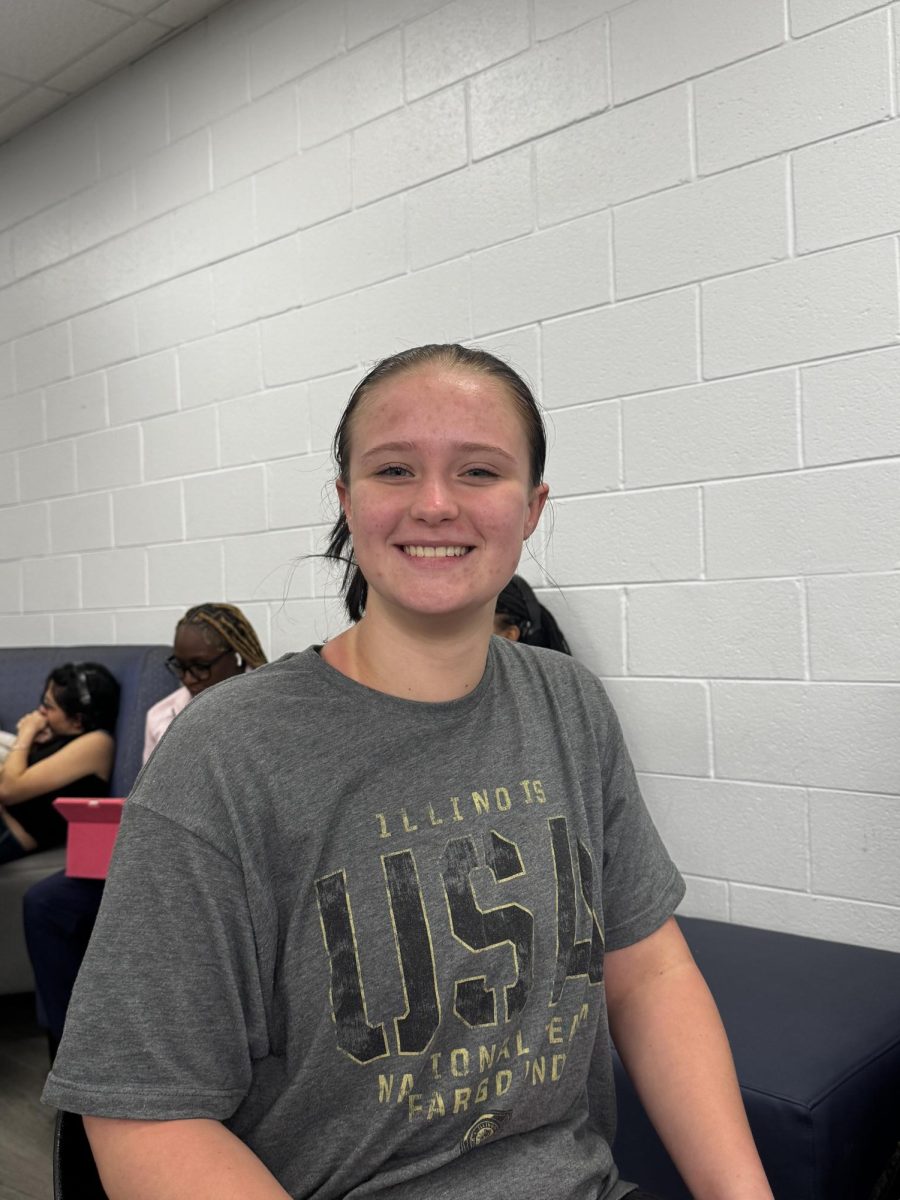
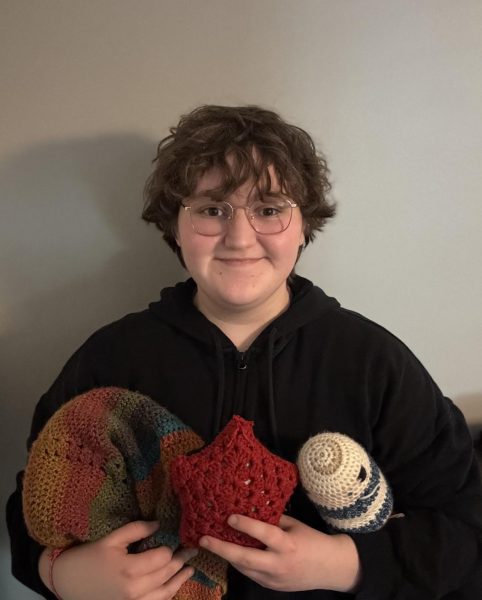
Crocheting brings people together, specifically over generational lines. Translating ideas of togetherness and familial warmth. Sophomore Scarlett Post has especially found these messages within her crochet journey.
“A lot of my family crochets, mostly the older people. It makes me really happy that I get to continue bringing something that’s not as common nowadays, continuing it through my family. Then I also get to connect with them,” Post said.
It was similarly Post’s mother, Bekkah Post-Langley, who specifically passed down the art form.
“My mom was a big crocheter, and she made a lot of the blankets in our house. I never really knew about it. I knew we had blankets in the house, but I never really knew what they were,”
Post said.
Post-Langley found a specific purpose not only in creating said blankets, but also in seeing Post’s growth within the craft – an extension of her own love.
“I started making blankets for [Post] when I was pregnant with her. I was so happy when [Post] wanted to learn and wanted me to teach her how to crochet. [Post] has gone leaps and bounds over my abilities and I am so proud of her,” Post-Langley said.
Ultimately, crochet has built up numerous communities and connections. Proving an anchor of genuine collaborative creation against a backdrop of mass-produced goods. Currently, 10% of total global carbon emissions originate in the fast fashion industry, according to Business Insider.
The small practice of stitching together yarn may be a small step to addressing that harm, but it represents a broader movement of sustainability that is essential going forward. Yet crochet isn’t just helping the earth, it’s helping us.
“In more recent years, I’ve gotten to know some other people who also enjoy crocheting and it’s even helped me to make new friends who I can share project ideas with and learn from,” Novosel said.
Crochet has been connecting people for centuries; however, in recent years, it has specifically brought young people together in a critical way. COVID-19 set many members of Gen Z back in terms of social interaction, but crochet has been essential in restoring those bonds.
“I know some of my friends want to crochet, or have started crocheting. We get to talk about it together and that’s really fun,” Clark said.
Every piece of meaning that crochet brings to one’s life has an impact. Continuing to foster that growth will only better one’s community and life.
In the Downers Grove area, one can visit locations such as Yarnify! or the Strong Theory Yarn Company for in-person crochet lessons. For online resources on how to learn to crochet, you can visit sites such as Bella Coco Crochet and the Crochet Coach.