
Becoming eligible for AP classes like AP Calculus and AP Literature and Composition is often considered in a student’s roadmap; taking the required math and English courses throughout their time at DGS to qualify. The APs with the largest number of test takers nationally are AP English Language and Composition, AP U.S. History and AP English Literature and Composition.
But of the classes that DGS offers, some of the least taken are AP 2-D Art & Design, AP 3-D Art & Design and AP Drawing. Although DGS requires one art credit for graduation, AP art classes are not taken as often due to many missing the prerequisites to take them; however, art plays a significant role in many DGS students’ lives, even if they aren’t pursuing art in their futures.
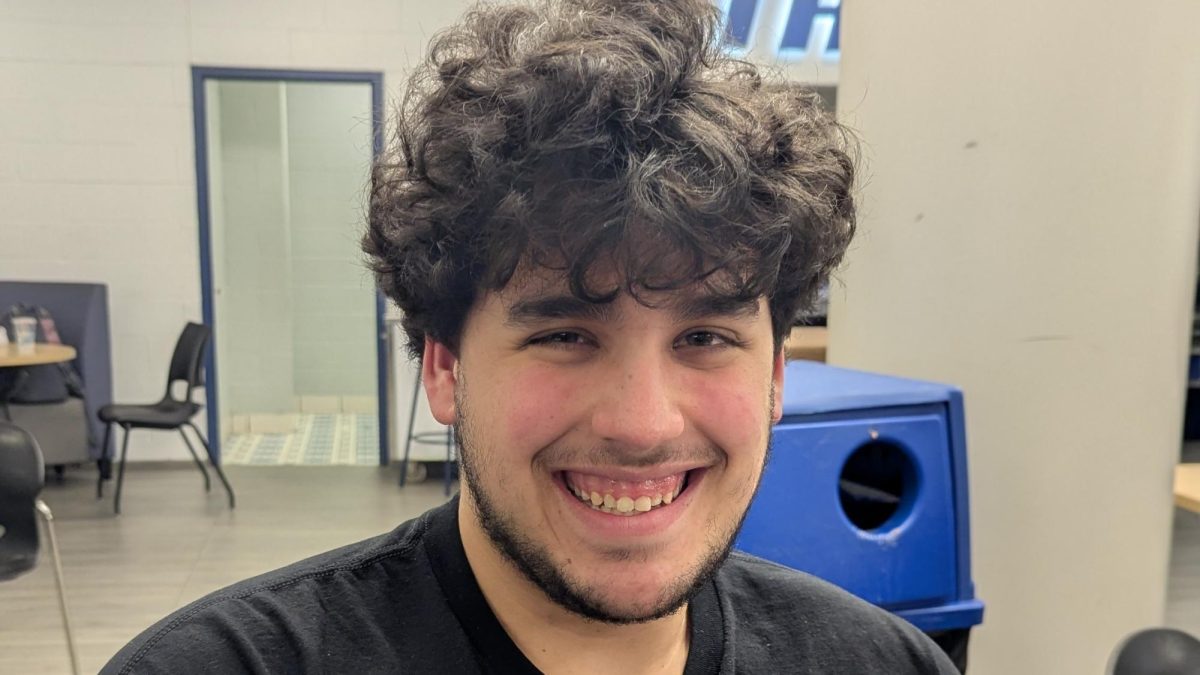
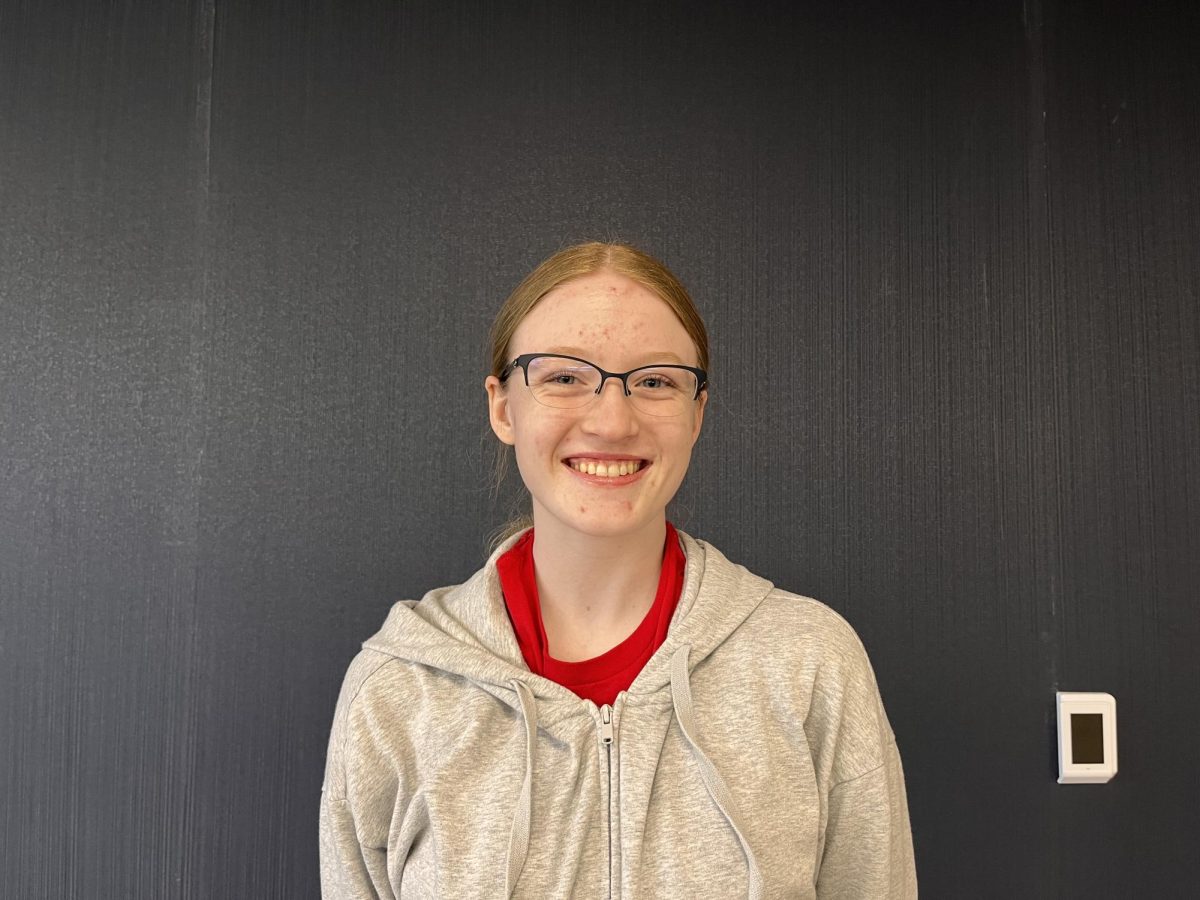
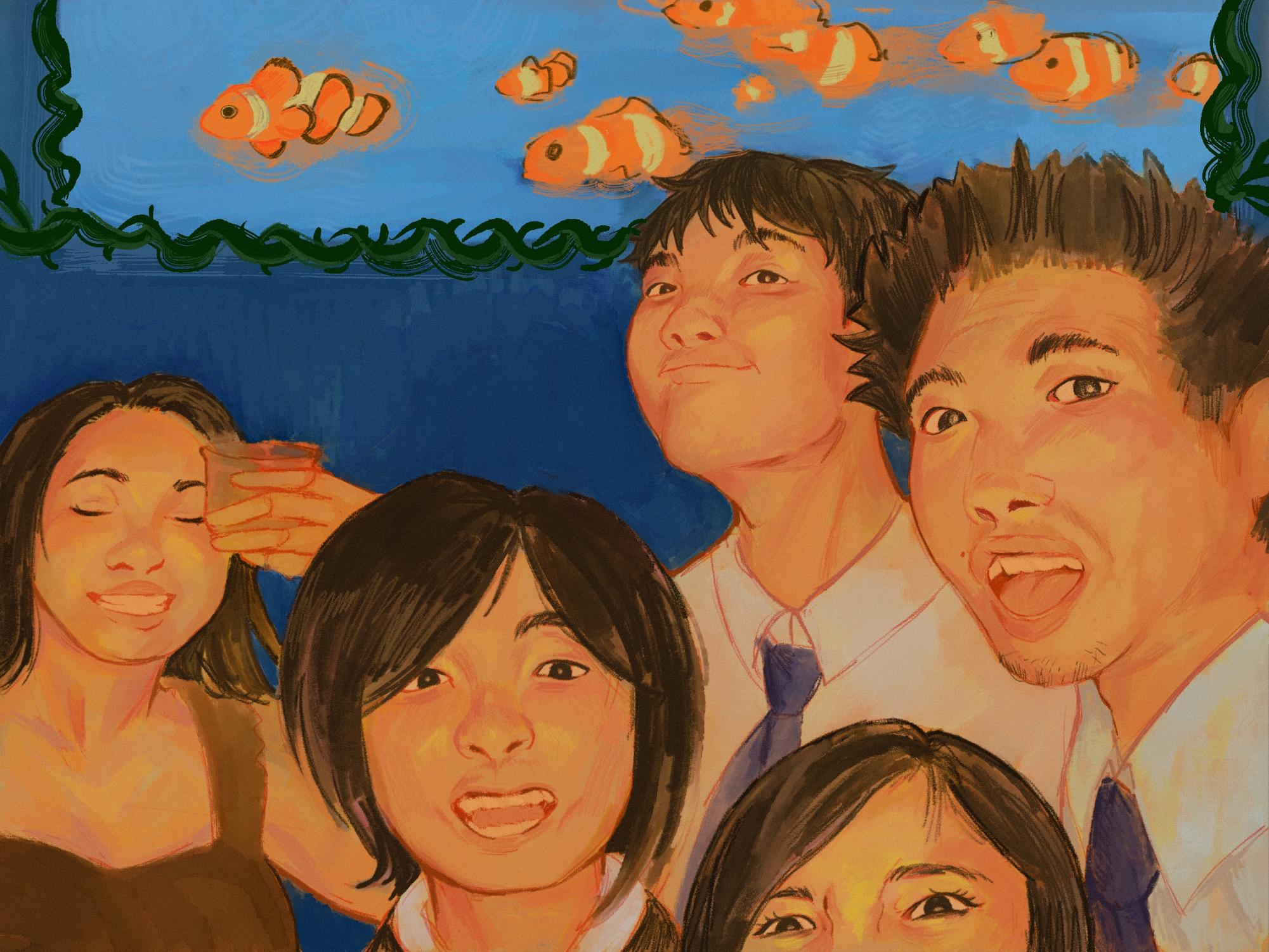
Vice President of National Art Honor Society (NAHS) senior Ren Espinoza is the only student taking AP Studio Art: Computer Design, and they spend their class time next to photography students, receiving one-on-one support from her teacher, Samantha Wascher.

“I wasn’t surprised [I was the only student], but I was disappointed because I feel like there are people around me who I know who like to do digital art, but I guess it’s kind of a smaller pool of people who feel comfortable doing digital art versus people who do art in general,” Espinoza said.
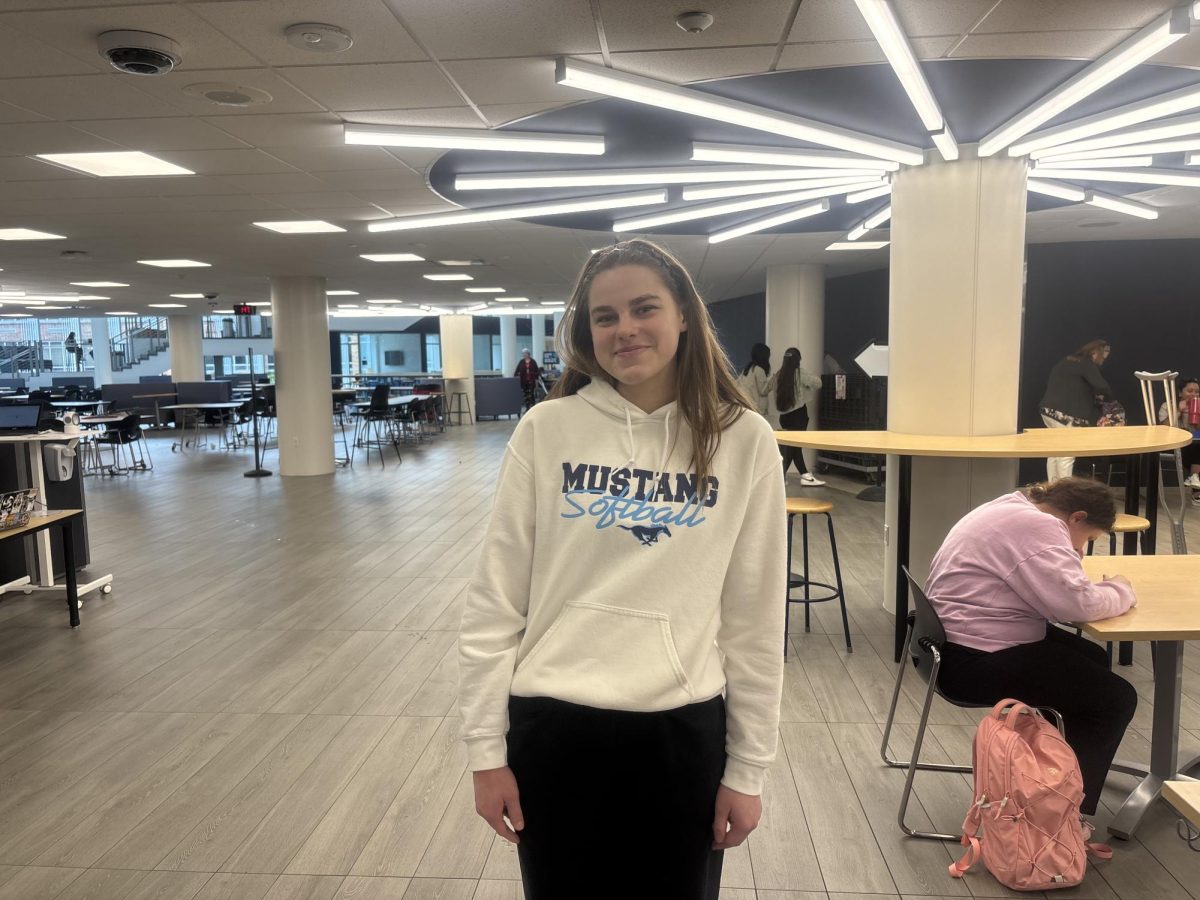
Art teacher Katherine O’Truk currently teaches AP Studio Art: Drawing & Painting, helping students in their journeys to create their portfolios. Although class time mainly focuses on individual projects with different materials and mediums, there is still a lecture dynamic when it comes to group practice.
“It’s different for every person, since like everybody might be doing a different art material and a different subject matter. Every once in a while, we’ll do a group thing. We did a figure drawing day, where we all practiced figure drawing at the same time. If you never learned oil paint and you want to learn, I’ll teach just you during class. They choose literally whatever they want,” O’Truk said.
In these AP classes, students must build a portfolio that they continue to add to throughout the school year. It contains approximately 15 images, including final products, sketches, progress shots and a sustained investigation: the investigation explains the relationship between the student’s art and their concept, the main theme of their portfolio.

Espinoza’s concept is their relationship between others, objects and the ideas that surround them. Outside of class, she spends time drawing on her tablet for personal projects as well. Their love for art and creation pushed them to pursue it in high school.
“In freshman year, I took the drawing and painting classes, but I wasn’t aware that there were actually computer art classes as well. Even though I began drawing traditionally in my childhood, I became more comfortable with digital drawing once I discovered it. After taking those prerequisite classes, it took me to AP Computer Art,” Espinoza said.
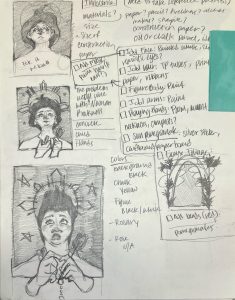
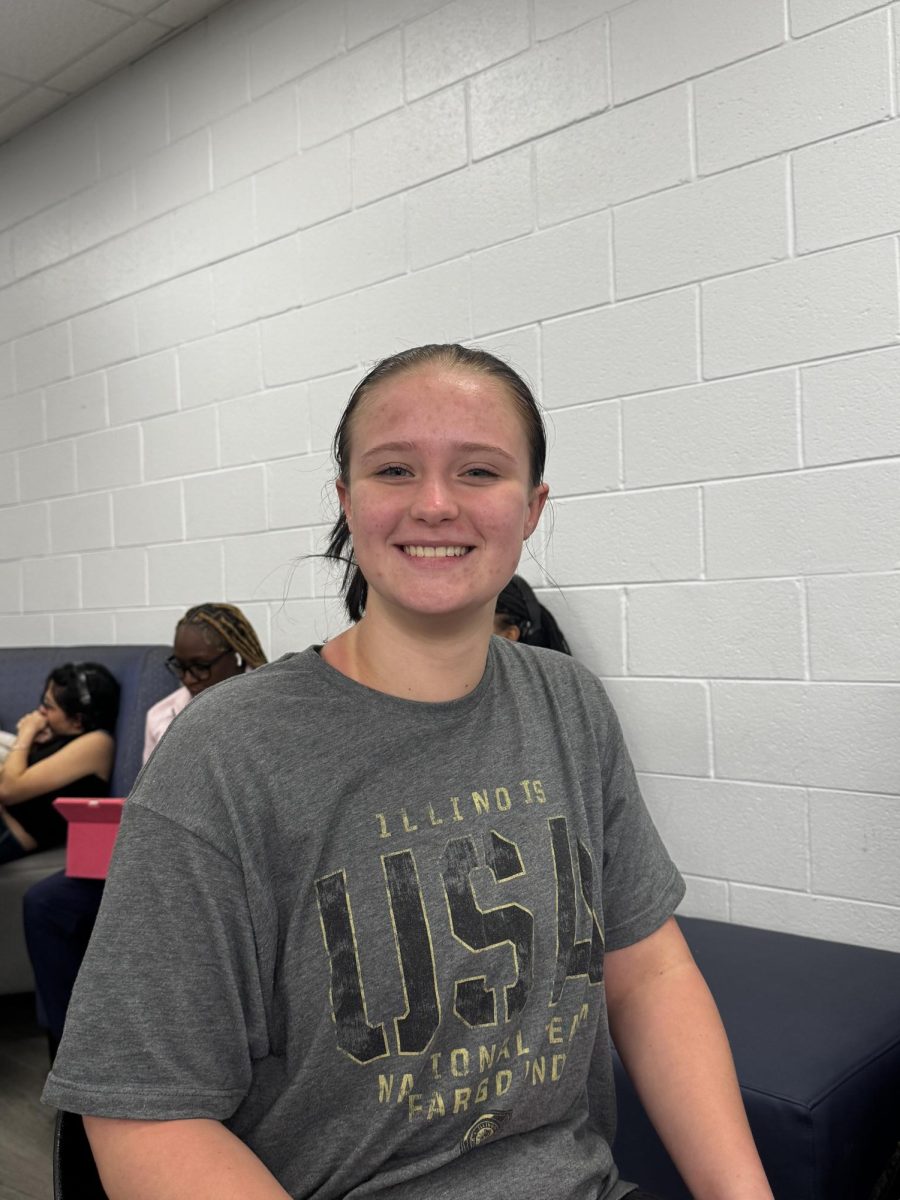
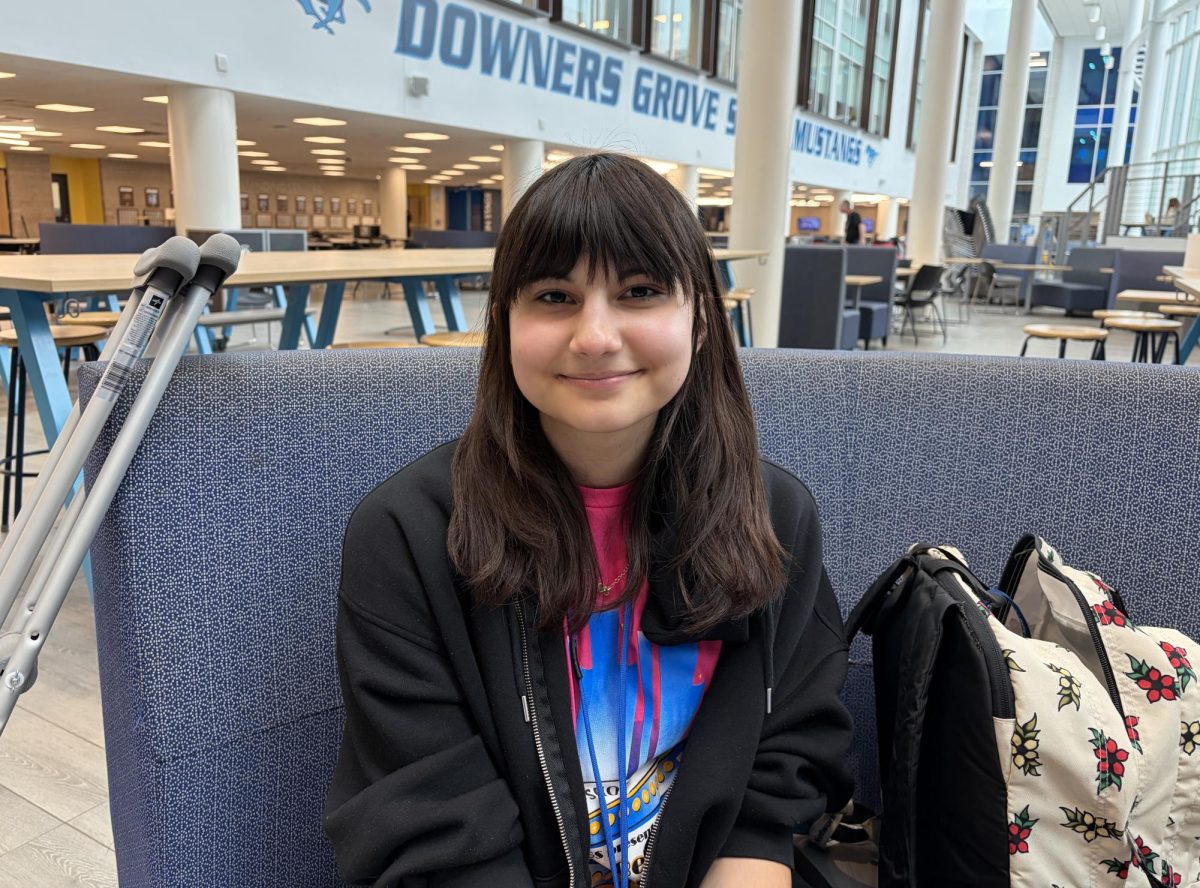
Senior Danielle Cacho is taking AP Studio Art: Drawing & Painting, the AP art class with the largest number of students, but Cacho’s 8th period includes fewer than 10 AP students. Like many students, she found her passion for art as a child. She’s won honorable mention in the Scholastic Art Awards and won Teacher’s Choice in the DGS art show twice.
“In the Philippines, we had a lot of blackouts, and sometimes electricity went out for hours. Drawing was something that I would do because there wasn’t really a public library that was nearby. Without electricity, there’s no internet, there’s no nothing, no TV. Drawing was easily accessible for me then. That’s when I started getting a little more serious about it,” Cacho said.

Cacho’s concept is to analyze her relationship with religion. She takes her feelings about religion and creates art that mirrors her internal voice.
“I was raised catholic, but I do not believe; I practice because my family does. Growing up Christian shaped a lot of how I view the world, how I form relationships and how I shaped myself as a person. Making the conscious choice to leave religion and a religious life behind is something I think of often; making art about my religious choice is one of the ways I process my choices and the reasons I made them,” Cacho said.
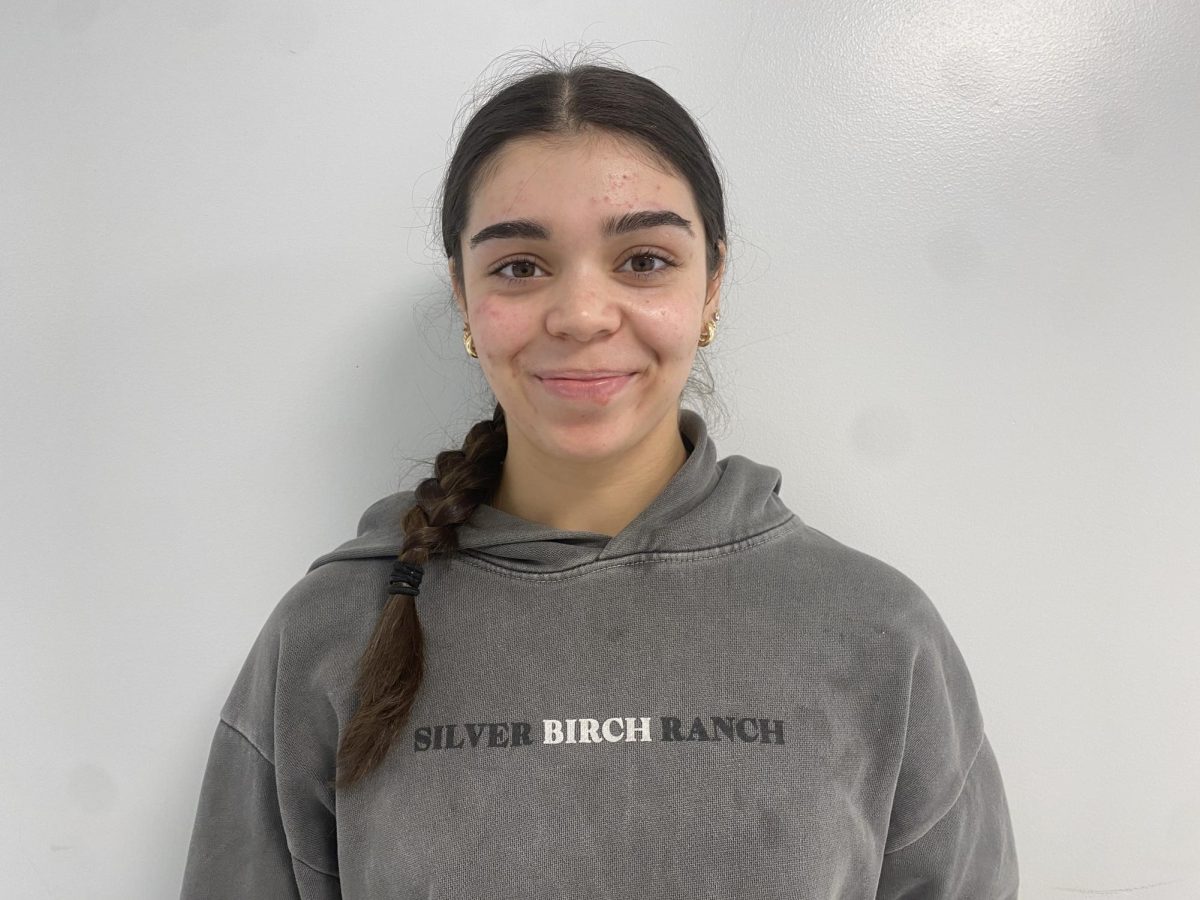
Senior Aili Flannery is the president of NAHS and is currently taking AP Studio Art: Ceramics and AP Studio Art: Jewelry & Metalwork. Her work revolves around NAHS and the service-based work they accomplish. Flannery is accomplished through her Scholastic Golden Keys, DGS art show awards and opportunity to have her portfolio judged on a national level.
“Some of the [NAHS] members painted a coffee shop, and we volunteer at the Bridge Park Art Center for Art Connected, which is an art show. For elementary and middle schools, they do Valentine’s Day dances, and we go to photograph and face paint,” Flannery said.

Flannery’s concept is her healing process from depression. Her career goal is to become an art teacher. She plans to study art education at Illinois State University this fall.
“I think having teachers like the art teachers I’ve had, [it’s] such an impact on me, I kind of want to be that for other people. [I want to] convey a message, or just inspire others,” Flannery said.
Espinoza plans to major in computer science or another technology-related field at a nearby university. They plan to combine their interest in technology and their creative side to have a fulfilling career that incorporates their top passions.

“Originally, I took [AP Studio Art: Computer Art] for fun, with my interest in computer science and generally with technology. I took the class to perfect my skills in digital art and be in a more deadline[-oriented] environment. If I were to do something that is a combination of creativity and tech, that sort of environment is realistic to have crunched deadlines,” Espinoza said.
While Cacho enjoys her creative process and sketching in her notebook, she plans to pursue a career in human resources, inspired by her interest in sociology and interacting with others.
“I don’t know if I’d ever be able to make money off of my art. I just don’t want to make something that usually makes me happy into something I’d have to put work into making money off of. I don’t want to do that to art. I’d probably stick to keeping it separate from my work life or keeping it as a hobby because I don’t want to let it go,” Cacho said.
O’Truk currently has Cacho in AP Studio Art: Drawing & Painting, monitoring the progress and development of her portfolio as the end of the school year nears.

“I have [Cacho] in AP Drawing & Painting, and her concept is so good; she is very thoughtful, she has really, really good sketches. She’s somebody who would have a lot of sketches and process shots [in her portfolio]. I don’t have [Espinoza] or [Flannery] in AP Drawing & Painting, but I’ve had them in other drawing and painting classes, and they’re both really good students. Their AP portfolios are awesome,” O’Truk said.

In 2025, AP 2-D Art & Design, AP 3-D Art & Design and AP Drawing had pass rates of 83%, 71.6% and 84.2%, respectively, making college credit more accessible to those who are looking to pursue creative fields or want to fulfill a college art credit.
In truth, AP art students take a passion and a love for creation and turn it into something physical, helping them grapple with larger ideas like their concepts.
“The classes that I’ve taken have allowed me more access to a wider amount of materials. It’s also lent me the ear of teachers who know what they’re doing, and also my peers and my classmates who have their own ideas that let me change or improve my own craft,” Cacho said.