Murdered or managed: Did the trends deserve to die?


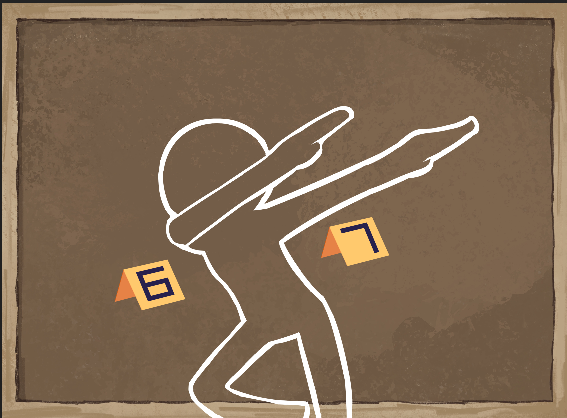


From clothes to technology, teenagers often sit at the center of what’s new and popular. As the most active age group on social media, they play a major role in deciding which trends gain attention.
Teenagers are often referred to as the most “in touch” age group, so as trends emerge they are usually the first to see them. Senior Ariana Mastny explains what she believes to be a driving force in trends.
“A lot of it goes with the idea that newer is better; the newest, fastest thing is always the best thing that everyone wants,” Mastny said.
Many teenagers chase the looks and lifestyles seen on social media.
“At a teenage age, a lot of people aren’t at that point where they want to be fully themselves … I think that teenagers just follow what [they] see because of [their] own insecurities,” Mastny said.
Mastny also believes that teenagers are the most admired age group and that’s why trends center on them.
“Younger kids are eager to grow up and adults crave their youth, so they chase after the teenage trends,” Mastny said.
The rise in social media has accelerated the spread of trends as well, and since teenagers dominate these platforms, they often play a key role in shaping them.
“Social media is just a way to put everything out there; it is how we discover trends. If social media didn’t exist there would be a lot less trends because [everything] would just be relative to what you see in person, rather than world-wide,” Mastny said.

The lifespan of trends follow the cycle of being found, becoming popular and then dying. And for every trend in school, there is always an enemy – the teachers. The quickest way to end the “coolness” is for a teacher to embrace it in the classroom.
English teacher Zach Kuhn shares the result of adult involvement in trends.
“Every time adults get involved with something that’s supposed to be cool with young people, it ends it. It is no longer cool when adults start doing it. That’s just the definition of that sort of thing,” Kuhn said.
Many teachers don’t care that it makes them sound cringy; rather, they do it for that reason. Social studies teacher James Chochole explains why he includes such trends in his classroom.
“I’ve used them to annoy the students, but it’s not part of my normal lexicon. It makes them laugh, giggle or pay attention. It just pulls them back into whatever we are doing,” Chochole said.
Incorporating trends into lessons is another way teachers gain engagement of students in this new age. Sometimes teachers secretly wish to revive certain trends when they find their own fun in them.
“I thought it was funny when kids were doing TikTok dances in the hallway, and I could try to sneak into them,” Kuhn said.

Students with siblings in middle school have observed that middle schoolers tend to take trends too far out of a desire to fit in. Like most high schoolers, middle schoolers show interest in getting the latest popular water bottles, like the Owala, and clothes from popular brands like Pacsun or Aeropostale. Many are also inclined to join in on TikTok dances or listen to popular songs they have found online.
Most people agree that the eagerness of middle schoolers to join in on trends is worrying and bothersome. Junior Cassiel Chavez has a sister in middle school and is concerned by the increase in consumerism that is encouraged by popular culture.
“Kids want to impress their friends with who has more of one thing … it just doesn’t make sense to me. So many people try and get everything from one popular brand. I don’t think anyone needs too much of the same thing that has the same function,” Chavez said.
Junior Leo Popovich has a brother in middle school and expressed similar annoyance at the eagerness of middle schoolers to join in with trends.
“I feel like middle school is the starting area of memes and at some point it’s like, ‘okay guys, can we stop now?’ My brother will start saying the most random things, and I don’t even know how to respond sometimes,” Popovich said.
Popovich remarked that middle schoolers destroy trends due to a lack of maturity.
“Middle schoolers are definitely at the age where they’re starting to mature, but they’re not there yet. I feel like that starts once they get to high school so it’s going to be impossible to stop them from being in trends,” Popovich said.
Middle schoolers can ruin trends because they are still growing up and searching for social acceptance, encouraging them to overuse trends and take the humor and fun out of them.

Brands advertising their merchandise, such as in meme formats or “POV” videos in an attempt to cater to teens can be added to the list of reasons why some trends have died off.
How people present themselves is a big reflection on our inner personality. Fashion has followed humans for years, and with the rise in modern media influencing people, the way we dress has drastically changed.
A big influence on fashion can be attributed to social media. Apps like TikTok have their own shopping section, called TikTok shop, where creators can advertise their clothes and sell them straight from the app.
Besides the online shop, clothing brands run their own ads on the app, such as Hollister or Abercrombie. These brands contribute to some of the trending styles amongst teens, some styles standing out more than others, such as comfort wear.
Hollister, one major clothing brand, has ads on Tiktok for their new drops in meme formats, saying, “When Hollister’s faux fur drops are so good I enter a flow state” as a caption for one of their videos.
TJ Maxx also has an ad posted on TikTok, saying, “The TJ Maxx Christmas girlies hate to see me coming,” showcasing some new products in their stores.
Trending fashion has been a topic for decades, with “in” fashion changing faster than ever, likely thanks to the faster pace provided by social media. Freshman Kai Harrison thought about some of the latest trends.
“I really like cargo sweatpants. I feel like that’s something new-ish, kind of, and the wide leg sweatpants epidemic,” Harrison said.