Romeo and Juliet, a classic tale of a doomed romance and deep love known to many. However, Romeo didn’t always have his Juliet–he was in love with Rosaline, who did not reciprocate that feeling.
This is unrequited love, one-sided affection ignored by the recipient
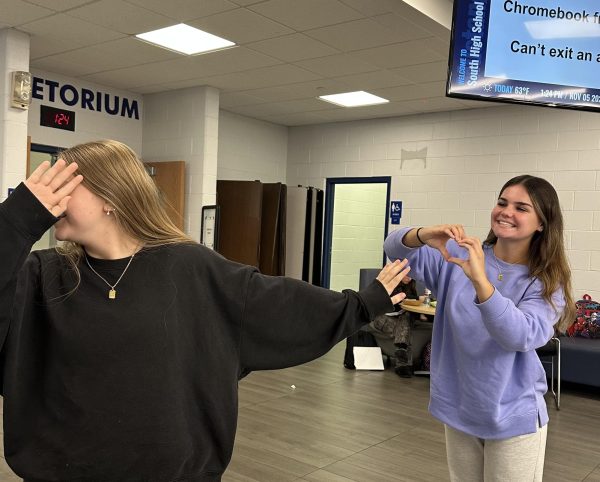
English teacher Laura Cid reveals that unrequited love is a recurring theme in literature.
“Frankenstein, the creature who was created by Victor Frankenstein, craves his maker’s love. He is looking for a base level human connection because he sees this loving family, with a romantic partnership and a partnership with a parent and a child. [However], he will not get that from Victor Frankenstein because he is upset about the decisions he’s made” Cid said.
Unfortunately, unrequited love is not just a fairytale. It is an occurrence in real life as well. Cid reveals the relevance of this concept in real life in terms of a parent-child relationship.
“I think that its relation to the real world does not always look romantic. When you think about a parent who won’t care for a child. Maybe because of mental health issues or because of circumstances, [they] will not give that affection, love and care; that’s the disconnect,” Cid said.
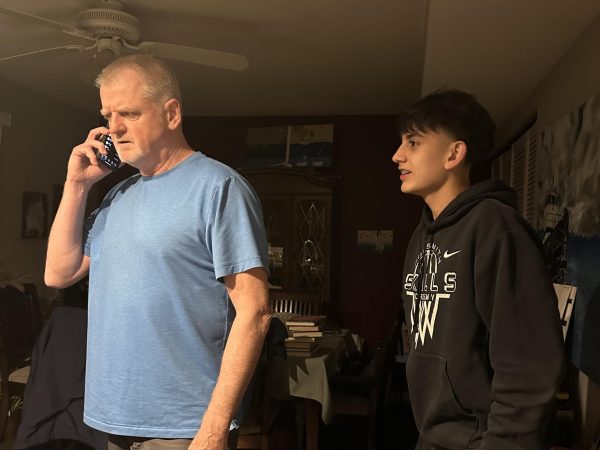
Loving someone who does not love you back may seem normal in literature, but in reality can lead to devastating effects. When one gives all their energy to another and receives none in return, they start to lose themselves.
AP psychology teacher Bryan Szweda reveals specific results of unreciprocated love.
“Unrequited love can have a negative impact on one’s self-esteem or self-worth. Oftentimes people displaying unrequited love feel rejected or unworthy. This can lead people to internalize that feeling and apply it broadly to their lives, which can then lead to feelings of stress, anxiety or anger,” Szweda said.
Additionally, psychologist Dr. Kathleen Kelly shares the possible long term effects and insecurities.
“When we’re feeling rejected, we start to pick away at ourselves, and we really hone in on our insecurities. Then it makes us have longitudinal concerns about going into the next relationship, or self-worth [and] self-concept. There are definitely long-term effects of that, if a person lets it,” Kelly said.
Furthermore, when a person realizes their love isn’t reciprocated, it can cause a rollercoaster of emotions to arise. Psychologist Ronald Zychowski explains the emotional outcome of unrequited love.
“I think when someone realizes that their love is not being reciprocated, the initial feeling might be frustration or anger, depending on the situation. I think that those feelings become more intense, which could lead to sadness, depression and anger at much higher levels,” Zychowski said.
Long-term relationships with your significant other can also be affected. When there is an imbalance in the relationship between partners, the romantic feelings are not being reciprocated and emotional distance can occur.
“[When] it leads to that situation, it sounds out of the blue. But with the [emotional] aspect, it’s a long time and a lot of investment in someone, and that is a harder situation to process and can lead to anxiety,” Kelly said.
Unrequited love can also be extremely detrimental to one’s will to explore new relationships or maintain their current ones. Zychowski walks through the possible feelings one may have about themselves.
“When one person is giving all of the love and the other person is not reciprocating, it makes that person feel unworthy of love, not worthy of their partner, or not worthy of any relationship. It really gets that person down into a rut, and they end up struggling knowing how to love and how to build and grow a healthy relationship,” Zychowski said.
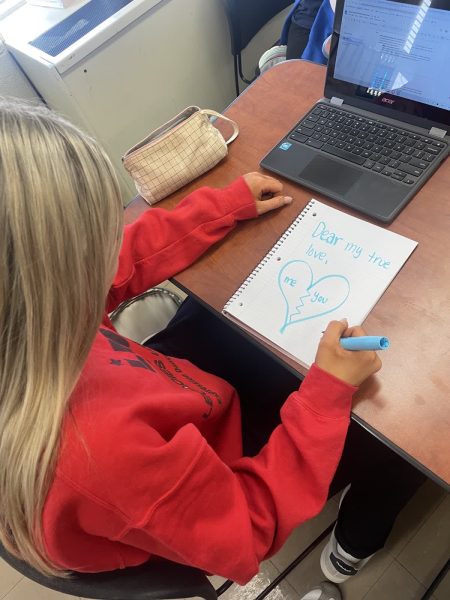
It is crucial that one recognizes when their love is one-sided before it becomes too late. However, one is always able to receive help. Zychowski shares multiple methods on how one can heal.
“The most important thing is having a strong support system, but also getting involved with counseling and therapy is very helpful from that professional lens. But being able to talk to other people, being able to see what healthy relationships look like and what it should feel like in terms of when both people are giving 100%,” Zychowski said.