On March 10, the DGS jazz program hosted its annual jazz cafe, a social night where friends and families sit around and eat while listening to jazz from DGS and the middle school jazz ensembles. The Jazz Cafe has become a staple in the DGS Band program as a way to introduce jazz and to a wider audience. While the Jazz Cafe brings people together socially, it can also introduce people to the roots of jazz through the various styles found in the genre, musicians inspiration is pulled from by the students, and songs that are performed at the cafe.
Jazz is a distinct music culture subgroup, rich with history and influence that originated in America. Students and staff at DGS have expressed an interest in jazz and the various aspects that come with the music.
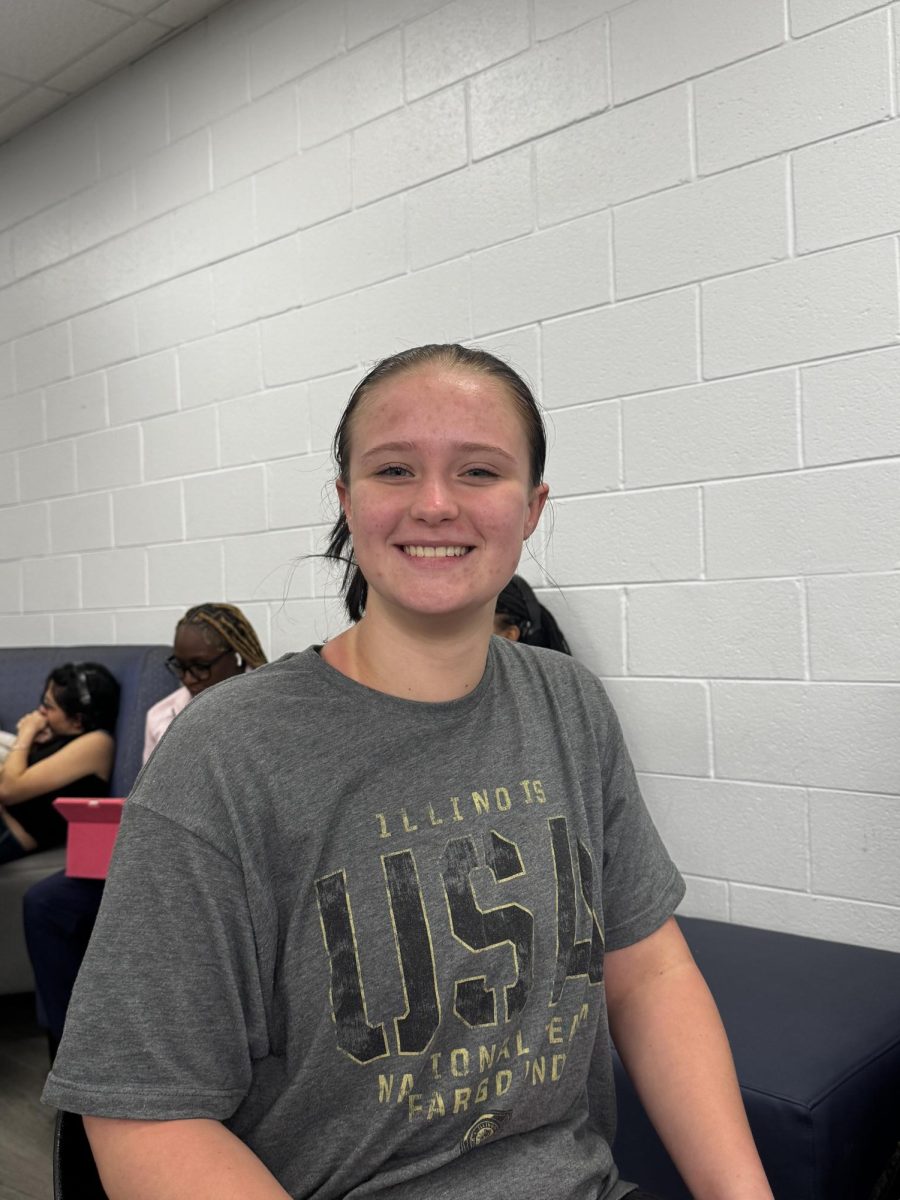
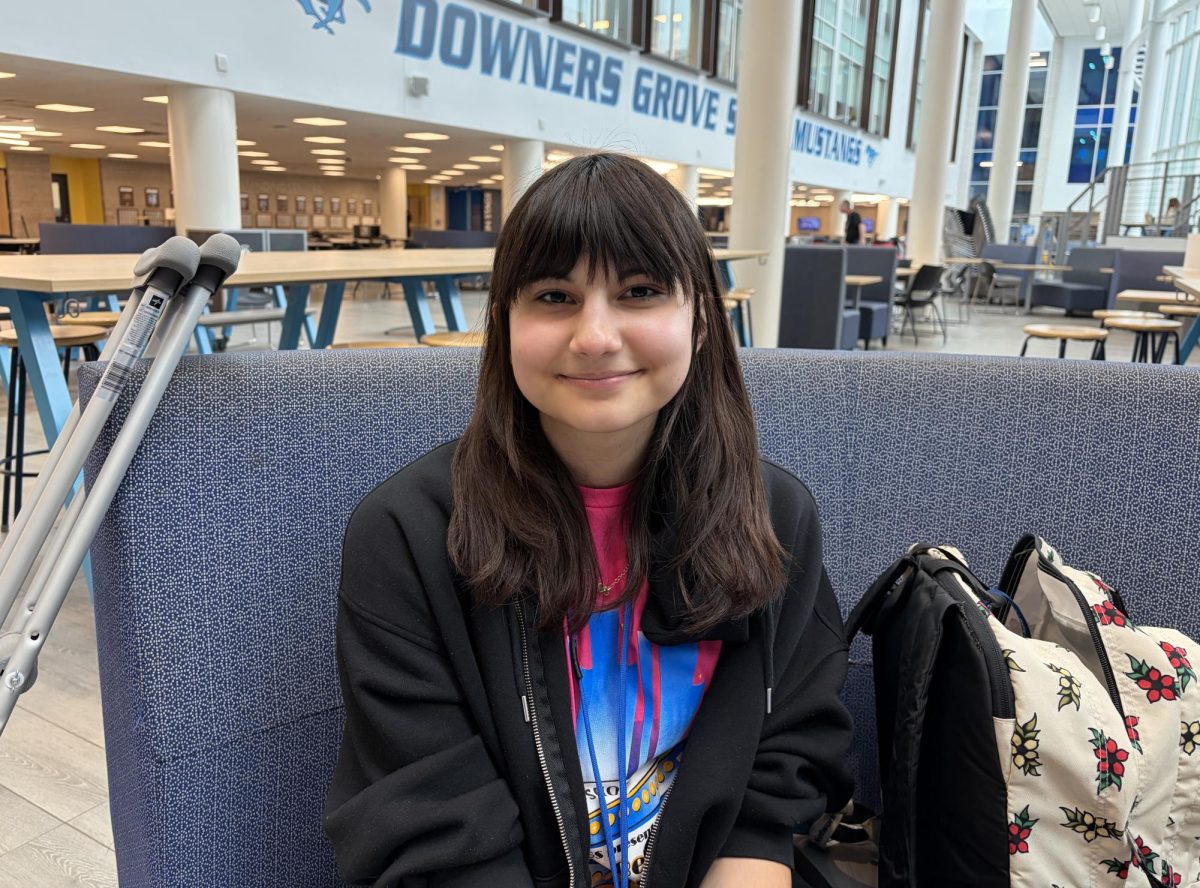
Junior Ellie Penavic expresses what she really enjoys about jazz: the inspiration that can be derived from other works, as well as the important historical elements behind the music style.
“I feel like there’s a lot of history packed in. It’s really interesting because you’re encouraged to copy people. [Jazz musicians are] encouraged to steal other people’s ideas and build that to make your own souls,” Penavic said.
The idea of music having a soul is a prominent one, especially in the music style of jazz. The root of jazz emphasizes the stories and the history in the music, which is what can draw some people to the genre in the first place. The ability to articulate oneself in their own unique way is fundamental throughout jazz.
“There’s so many aspects of it that are great for expression, and there’s so much deep meaning behind it,” Penavic said. “It’s derived from soul music, it’s truly just emotion, and I feel like it’s a really great way to express yourself.”
Penavic also shares her personal reasons for playing jazz: to elicit emotion.
“When I play music, I am motivated to make the audience feel something. I just feel like there’s a lot that you can do, especially when you do improv and solos,” Penavic said.
Assistant band director Shane Nelson expresses how he treasures the history of jazz and how it shaped America after slavery ended. It was an important time that inspired the music style to bloom.
“This music originated from enslaved people who were trying to find some sort of outlet in a very hard time. This [was] their way of showing or expressing themselves, and then it developed into what we know as jazz, and it’s just a big form of self-expression,” Nelson said.
Along with the historical importance woven into the music, Nelson expresses how jazz was meant to move people through the Civil Rights Movement, physically and mentally. In other words, jazz is meant to move the body and the soul.
“Jazz has always been dance music. It wasn’t originally just supposed to be a sit-down-and-watch kind of thing. You’re going to dance to it, you’re going to be involved, and everyone’s going to make music and be a part of making the music,” Nelson said. “It’s made to be more communal and participatory from, not just the audience to the performers.”

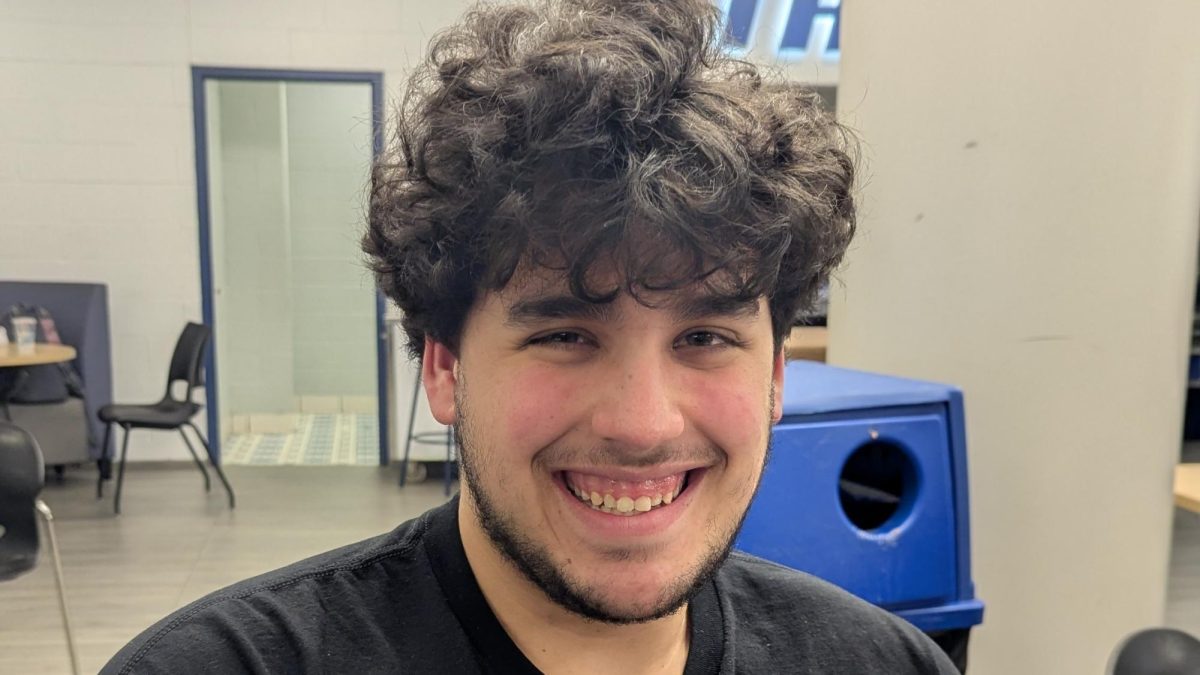
Junior O’Reily Dixon touches on how acknowledgement for jazz music has changed over time. As it’s an important piece of history, to Dixon, more people don’t seem to give jazz music the recognition it deserves.
“People that are in fine arts definitely have more respect for [jazz] than people that don’t care for it, in my opinion. Although, some people in our generation probably don’t respect it as much,” Dixon said.
Just because times have changed does not erase the importance and culture jazz music has created. In fact, it’s incredibly important to pay attention to the history that affected America because it shaped the world.
Penavic, Nelson and Dixon believe that jazz music isn’t just music—it’s a cohesive catalyst. The melody itself, whether it’s played by the trumpet, piano or saxophone, represents the harmony human nature craves when group efforts are combined together. When the elements that define individual identity are combined with those of others, a unified community bond is formed.