
Teens’ days are filled to the brim with school, sports, extracurricular activities and homework, so it can be hard to find time to hang out with friends. When that time does come around, it can be even more difficult to find a place to go that isn’t far away and fits in their budgets. Experiences that used to be go-to’s for teens are now devoid of them.
This shift can be attributed to two factors: the first is the growing increase of prices for third spaces. Places like malls used to be swarming with teens looking for a shirt at the trendiest store and buying a pretzel at the food court, but slowly these stores and food stands have been becoming more and more out of teens’ price ranges. This increase deters teens from even stepping foot in the mall because they know they’ll either not be able to afford items from stores or they’ll go way over budget.
The cause for this shift can be found in two main reasons, one being the rise of tariff prices. When companies have to pay more for base products, they have to charge more as well to make enough money back. Economics teacher Elaine Marinakos explains why tariffs are increasing prices in the United States.
“The tariffs have a big part of [increasing prices] because it’s costing more to get our imports from other countries. Tariffs usually create economic inefficiencies and that is part of what’s causing [price] increase because eventually stores and producers are going to push that back on the consumer,” Marinakos said.
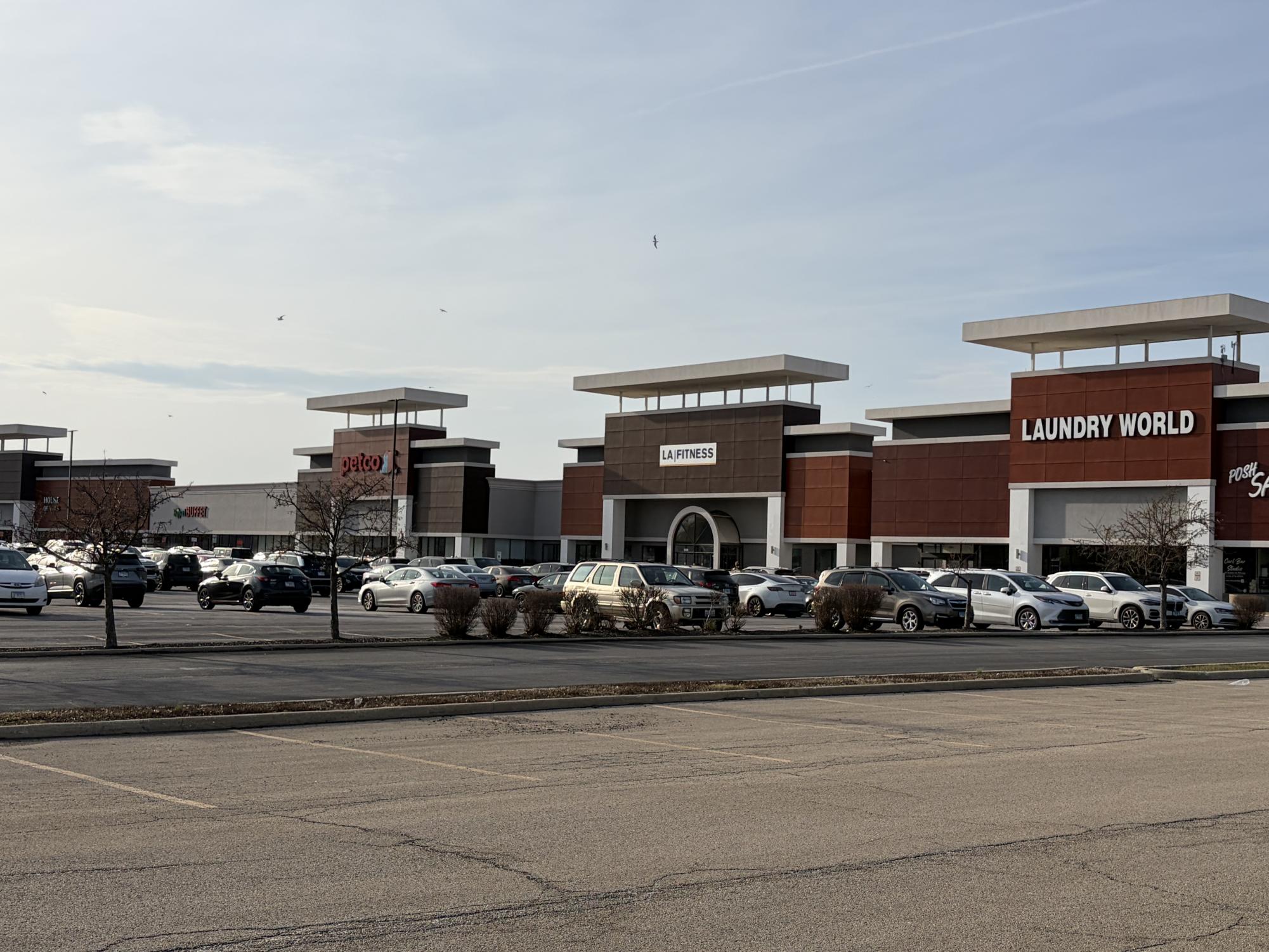
Since malls are out of the price range for many teens, one would think that they would go to other places like arcades and bowling alleys, but even places like these are becoming harder and harder to find due to lack of attendance. Many teens either don’t know about these places because they’re far away or they would have to save up to go. This leaves even fewer places for teens to hang out; some of these places, like Target and McDonalds, aren’t intended for teens to be spending long amounts of time there, but at times it’s the only place that works.
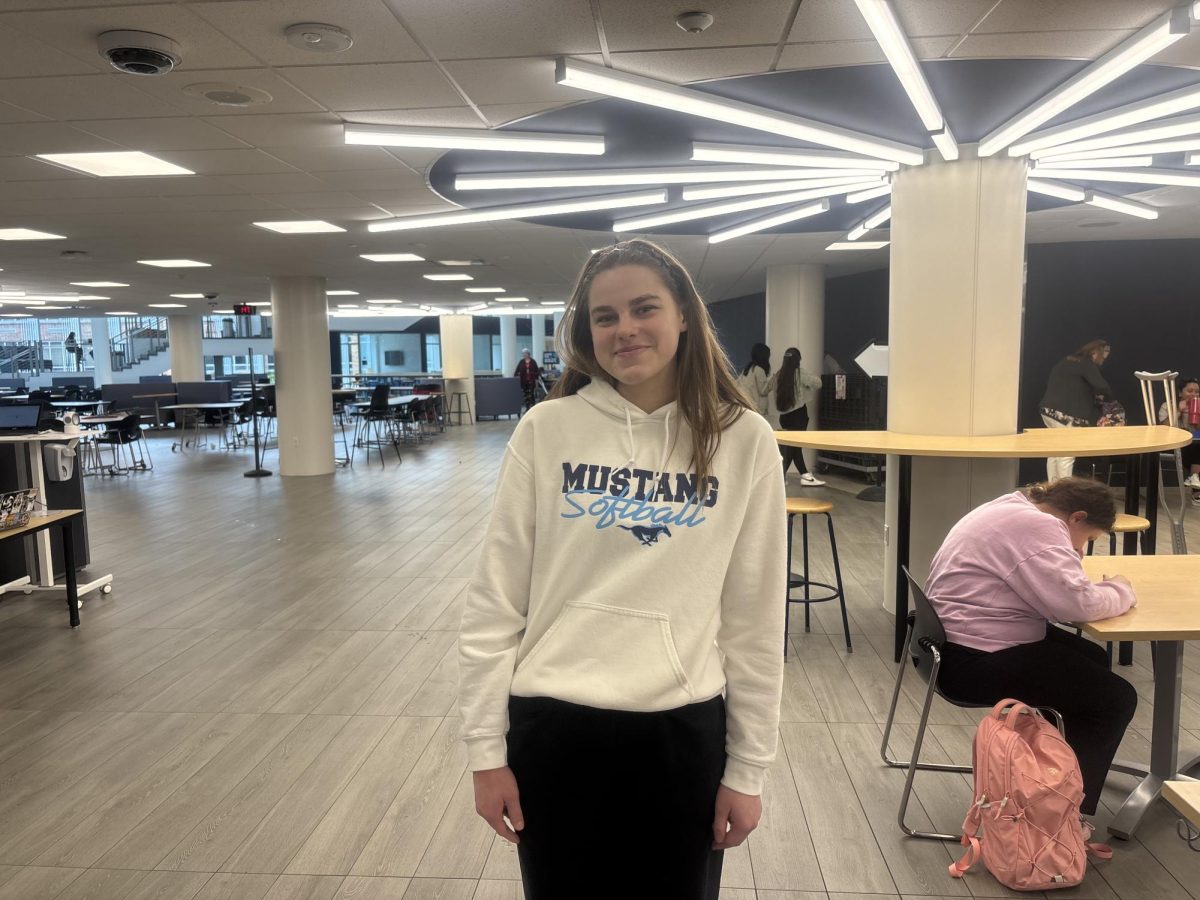
Sophomore Riley Gatesman often goes to the store or fast food places with her friends if they want to spend time outside of the house. “We usually go to a store and walk around or a food place and then we sit in the car and eat it,” Gatesman said.
The second reason for this shift in lack of third spaces for teens is how low priority they are for the people who create them. This lack of activities wasn’t always an issue; there used to be many places to go that teens would frequent such as local coffee shops or movie theaters, but since COVID-19, many of these places have either gone out of business or jacked up prices to make up for a decline in attendance. While some of these places have recovered in the six years since the pandemic, others just couldn’t keep up.
Sophomore Sophia Tisoc recalls a roller rink she used to go to before it closed.
“I went there once [on] a school field trip. [Later] I visited it with my friends and then it closed down. I’m really upset about this,’ Tisoc said.
A big example of a third space that has made itself inaccessible for teens is coffee shops. These shops often need people to make a purchase to stay and only want patrons to be seated for an hour at most. When teens go to make a purchase, they can be spending around $6 to $10 for a coffee or bagel; in the long run this isn’t financially sustainable for teens with minimum wage jobs to be paying these prices, so they opt to go elsewhere.
Teachers have been noticing this change in how students spend their time with friends. Some find it very different from how they spent their time with friends when they were in high school. Social Studies teacher Laura Rodey shares what she did in high school compared to what her students do.
“[We] had old school diners, the mall, roller rinks, video stores, arcades and they were all pretty close. [Our hangouts] weren’t necessarily food based,” Rodey said.
As more and more research comes out surrounding the importance of third spaces for teens’ mental health, the demand for these spaces could increase and start popping up in more places. According to research by Sofia de Oliveira Major in “Children and Youth Services Review,” having activities and spaces to go that is aimed towards children and teens allows for their social behaviors to grow in a positive direction.
With growing awareness for this lack of teen-centered third spaces, companies could try and take advantage of this budding market to not just create fun spaces for teens, but help contribute to their overall mental well being.
“I think there’s an untapped market for [third spaces.] It makes me sad that [these] don’t exist for you guys,” Marinakos said.