


From steps to stories: The art of Irish, Bollywood, tap, ballet dancing


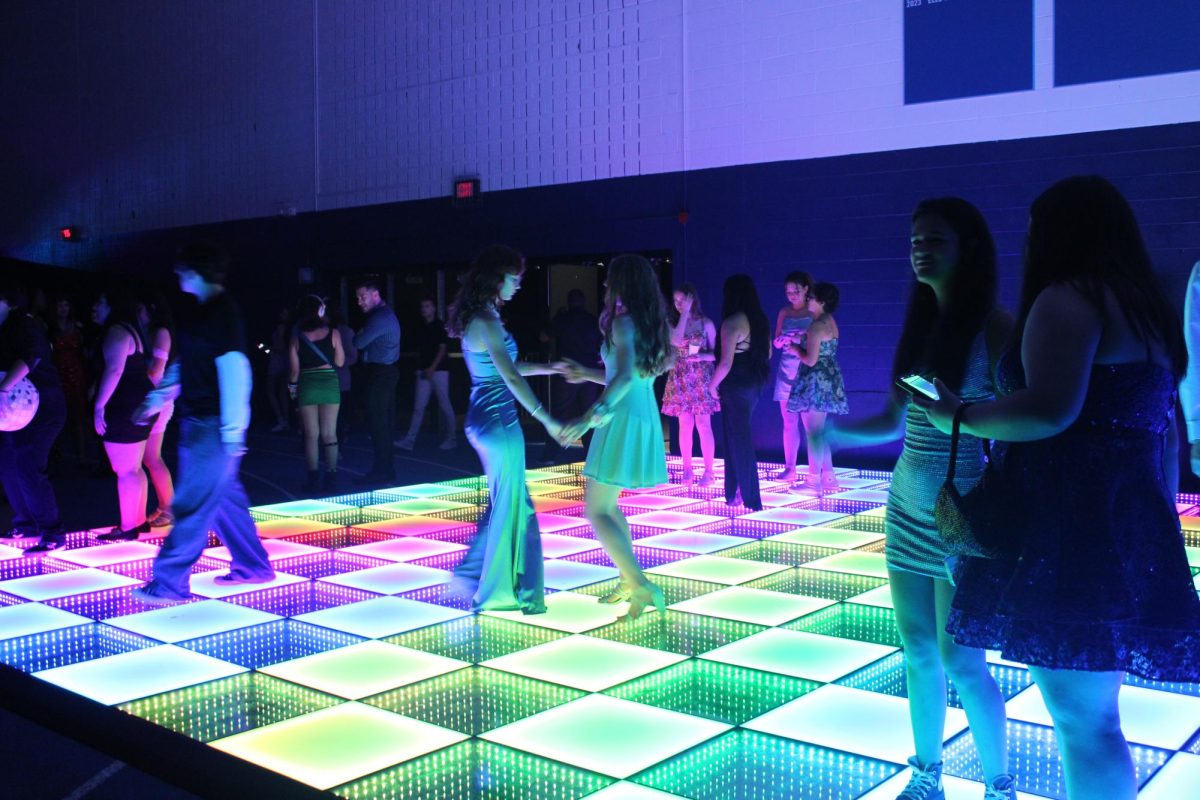
From the cha-cha slide to a slow dance at homecoming, we all have experiences with dance. However, to some, dance is more than just a once in a while occurrence; dance is their life. Often, dance is viewed as one broad art form; however, this overlooks the countless unique styles that people specialize in.
From well-known styles such as jazz, hip-hop or contemporary, to the traditions of Irish, Bollywood, ballet and tap, each style carries its own rhythms, workload and story.
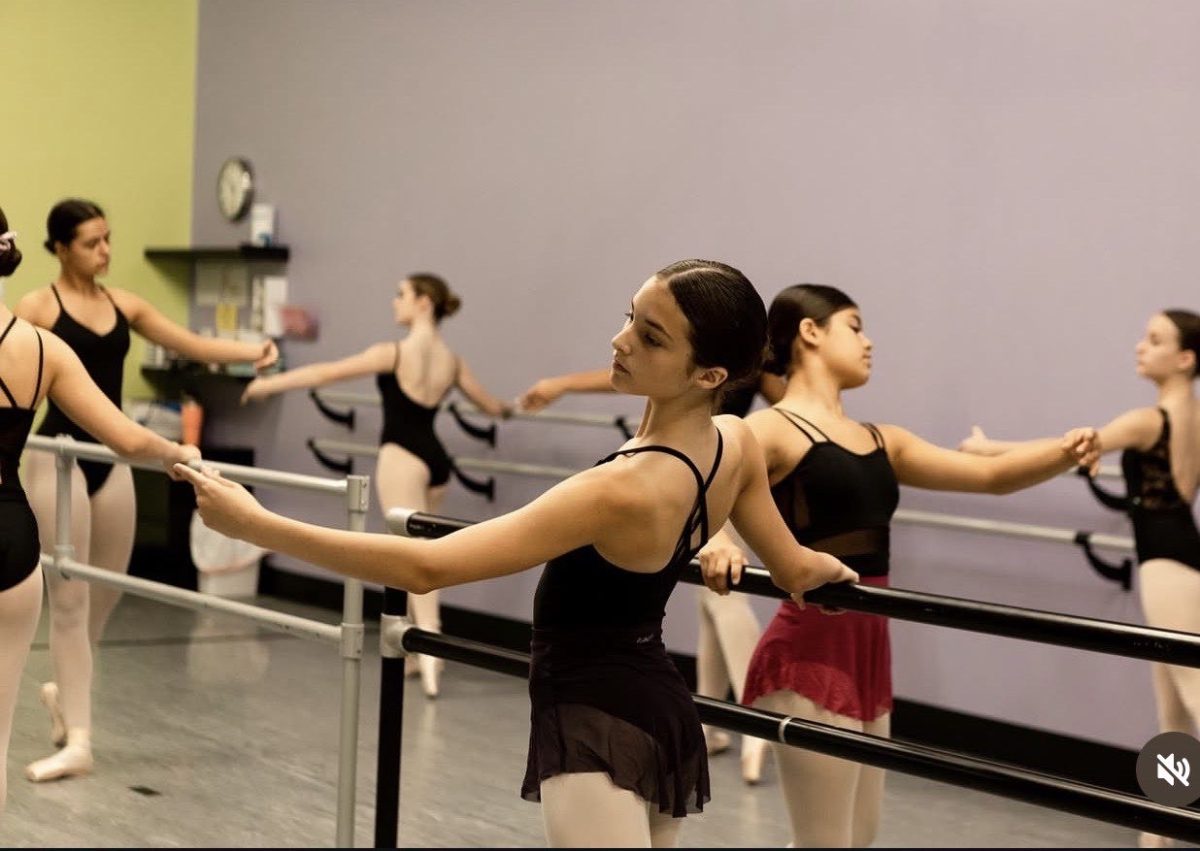
The history of ballet began in Renaissance Italy in the 1500s. The style originally included large, layered clothing, along with heeled shoes that now could be closely recognized as today’s dress shoes. Through connections of the royal families, ballet spread throughout Europe; over the next 100 years in France, the official terminology of ballet was created.
Ballet continued to evolve, picking up stylistic elements such as dancing en pointe (on the toes), costuming of bell-like skirts and performing in white and light pink tights.
These stylistic elements that range all the way back to 1500s Italy, still shape modern ballet today.
Ballet is widely regarded as the key foundation for all of dance. With an emphasis on technique, discipline and alignment, ballet is often where many dancers begin, and its principles are often what many dancers fall back upon when transitioning through other styles.
Ballerina Carla Bolton shares some of the key technical moves.
“Some basic moves are arabesque, passe, and arms in fifth. These are all critical foundational skills in the style,” Bolton said.
While a key foundational checkpoint for many styles of dance, ballet still holds unique qualities. Bolton shares the unique aspects of ballet that separate it from the rest.
“Ballet is very musical, but also has a lot of precision in your technique. It requires a lot more technique and technical aspects than other styles of dance,” Bolton said.
Ballet also stands out and is visually striking in its simplicity.
“It has a lot of sharp lines and, visually, is very symmetrical. It is visually the simplest form of dance, but it is very difficult,” Bolton said.
The combination of musicality, technique, and refined lines sets ballet apart from the rest. The concept of balancing on one’s toes and gracefully executing a symmetrical, and visually pretty dance is what many dancers believe separates the form. Ballet offers both a challenge and a foundation, different from other styles.
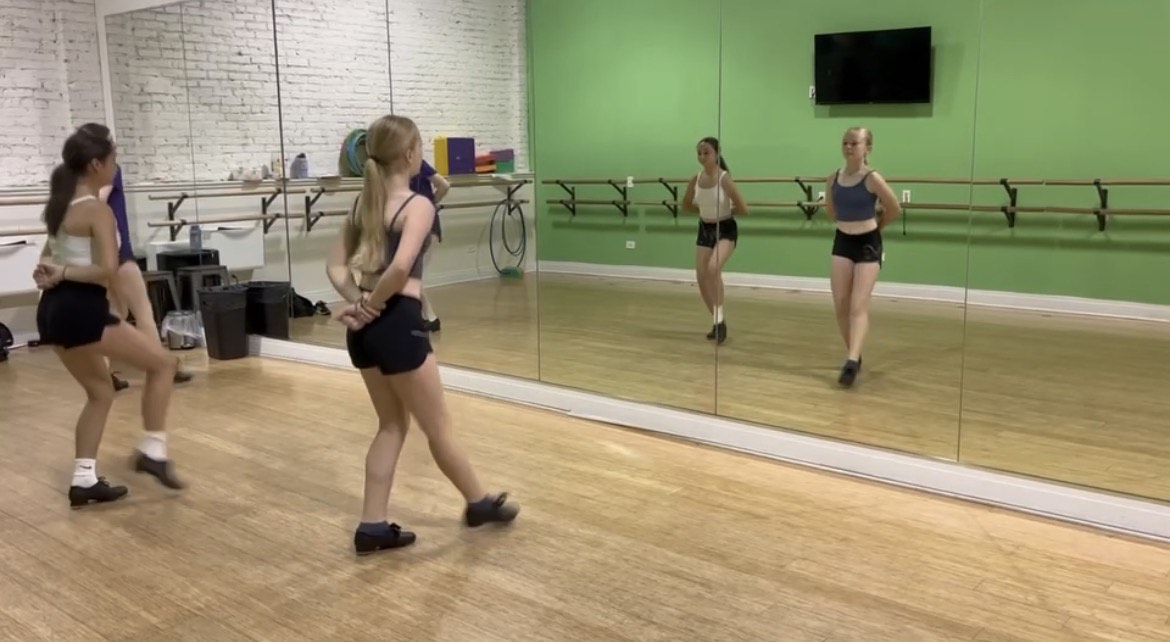
Tap dance originated in the United States in the early 19th century as a form of expression among African Americans when slave owners took away all other forms of cultural identity.
Tap shoes originally were made of wooden soles with pennies attached to the heel and toe. It wasn’t until the 20th century that modern shoes with metal plates emerged.
The style continued to grow and evolve into what it is today.
Tap dancer Bertha Crowley explains the unique qualities of this style of dance.
“I would describe the style of tap dance as very lively and also very rhythmic because we can create beats in our shoes on the floor to various music, which can also be seen as another form of percussion,” Crowley said.
Tap dance features a wide variety of steps, each producing distinct sounds and rhythms. Some common steps include paradiddles (four sounds), shuffles (two sounds), time steps (five sounds), front Irish (four sounds) and flaps (two sounds).
Crowley explains the emphasis on entertainment in tap dance.
“Tap dance is fun and brings out the mood in a space. Everyone in the room enjoys watching it, and the people performing enjoy it too,” Crowley said.
The deep history and emergence of tap is something unique to this style. The musicality and unique rhythms created during the dance are what makes the form a memorable watch.

The tradition of Irish dance dates back centuries and was originally seen as a crossroad between Celtic rituals and Irish steps. The form evolved to include various cultural influences and different forms within the style. The most commonly known forms include step dancing, jig dance and Irish tap dancing.
Irish dance today is still deeply traditional, with an emphasis on precision and power.
Irish dancer Marjorie Brueggemann explains what makes the form stand out from other styles.
“You’re scored based on your technique. It’s less about expression and there’s a lot of rules in place,” Brueggemann said.
Irish dance combines sharp, intricate footwork with a still upper body, creating the traditional and visually striking look that defines the style.
“It’s very energetic, and your steps have to be very loud. It’s very bottom heavy as we don’t use our arms,” Brueggemann said.
While visually unique, the style still shares some qualities with other forms.
“It’s almost like a mixture of ballet and tap dance,” Brueggemann said.
The heavy stepping can be closely compared to tap, and the strength and balance are comparable with ballet.
The consistent footwork and lack of breaks throughout a performance requires a unique amount of endurance and focus.
“It takes a lot of stamina and it is constant dancing for two minutes,” Brueggemann said.
The costuming within Irish dance also sets it apart. Competition wear includes brightly colored costumes, wigs, rhinestones and other Celtic-inspired embroidery.
Although Irish dance combines concepts from tap and ballet, the still upper body and traditional steps are what makes Irish dance iconic around the world.
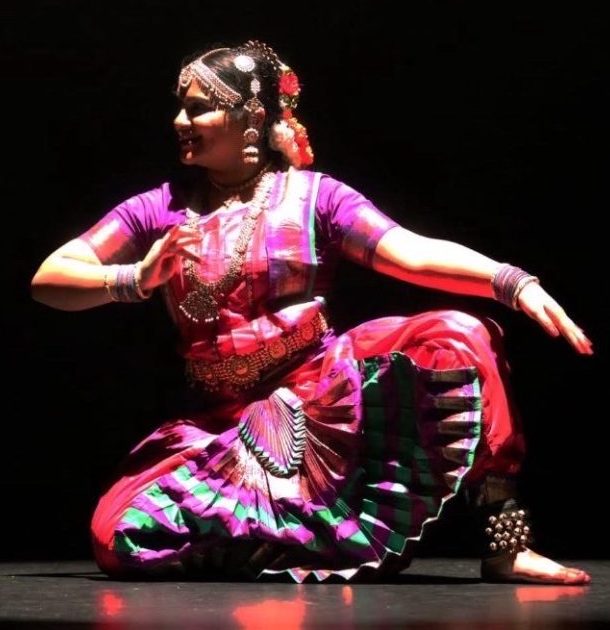
The style of Bollywood dance originated in the early 20th century during the growth of the Indian film industry. The rise in the film market paved the way for a new age of entertainment. The style of Bollywood began rapidly expanding.
Traditional Bollywood styles drew heavily from classical Indian art forms. Styles include Kathak (fast footwork, pirouettes and hand gestures), Odissi (fluid movements, unique S-shape posture and intricate hand gestures) and Bhangra (vigorous steps performed to the beat of a drum).
Bollywood dancer Sarina Abraham explains key aspects of Bollywood.
“Bollywood dance always has a story, and you have to go based on that. It’s very energetic and you have to use a lot of your facial expressions to make sure you’re explaining the dance. It’s very face-oriented and audience-oriented,” Abraham said.
Although Bollywood is rooted in tradition, this style allows for a greater emphasis on emotion to help to convey a story.
“While a lot of other styles are based on your body movements, Bollywood always has a story – it explains what the music is saying,” Abraham said.
Abraham helps explain standard moves that help tie together tradition and technique.
“Standard moves have to do with a type of style called Bhangra, and that is where you have to really push your legs and arms, while bobbing your head at the same time,” Abraham said.
Abraham compares Bollywood with other forms.
“A lot of other dance types like jazz and contemporary are more strict with their moves and less facially strong, but Bollywood tends to be a bit more carefree,” Abraham said.
Costuming includes very long, traditional Indian dresses, often in very vibrant colors – unique to other styles.