




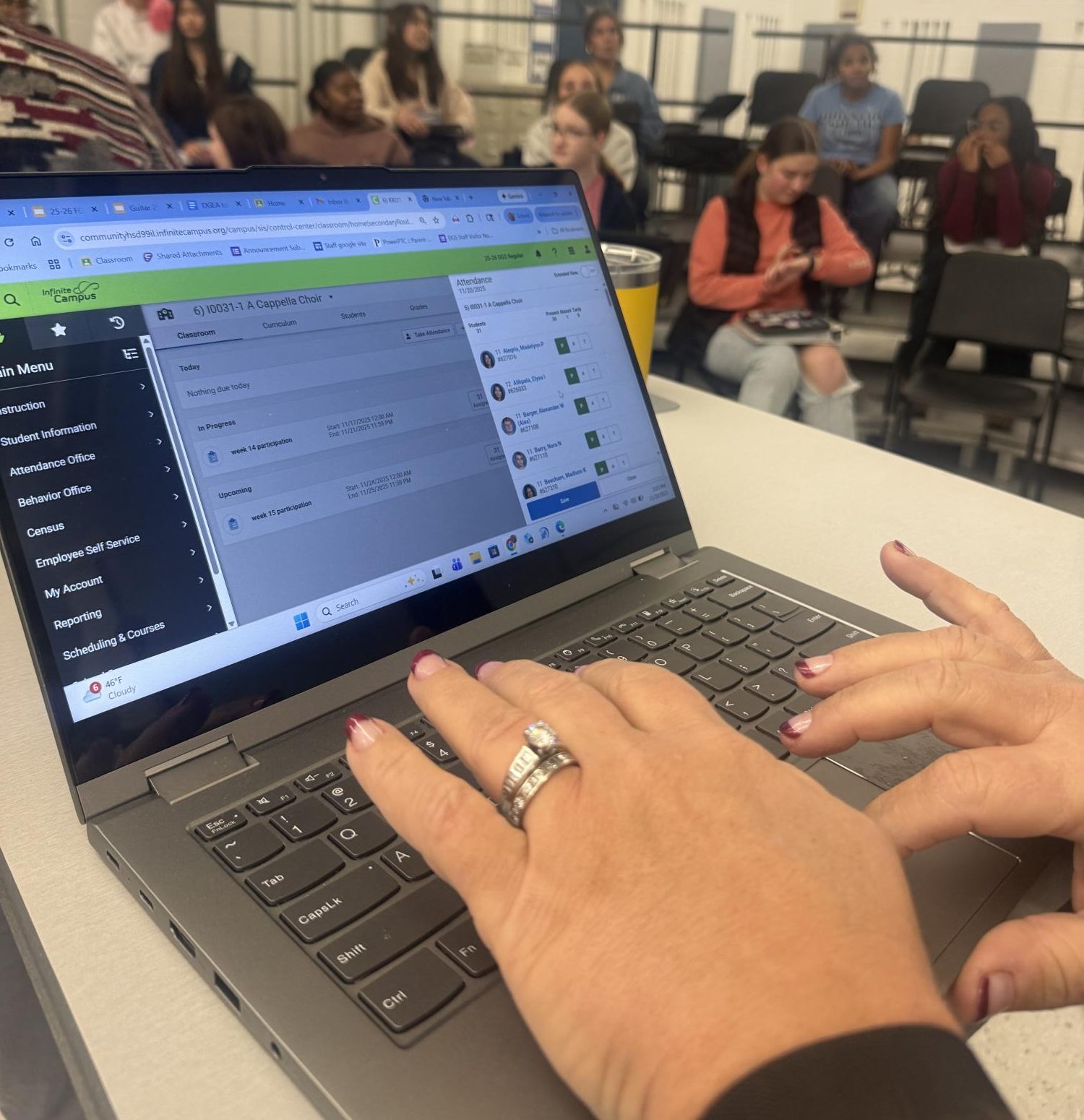
At the start of each school year, District 99 sets one overarching goal for a major shift it wants to see over the course of the year. For the 2025-2026 school year, chronic absenteeism and attendance were the issues to be addressed – the immediate action taken has not only been effective, but has also sparked schoolwide discussion on the value of attendance. Over the past two months, DGS has seen significant improvements in attendance through the implementation of Infinite Campus and the new scanning policy.
Associate Principal for staff and students, Dr. Karen Taylor, provides insight into the thought process behind introducing these new systems.
“Other school districts that have Infinite Campus and were using it for scanning had really positive experiences. We went and visited a couple of schools last spring, but being able to be more accurate in real time for student attendance helps us to be more laser-focused on improving that number,” Taylor said.
The idea that the school can directly see where a student is or is not is one that, while beneficial for staff, has sparked discourse among students and their freedoms within the school.
Senior Megan Ganschow gives her opinion on the effectiveness of the scanners in improving attendance.
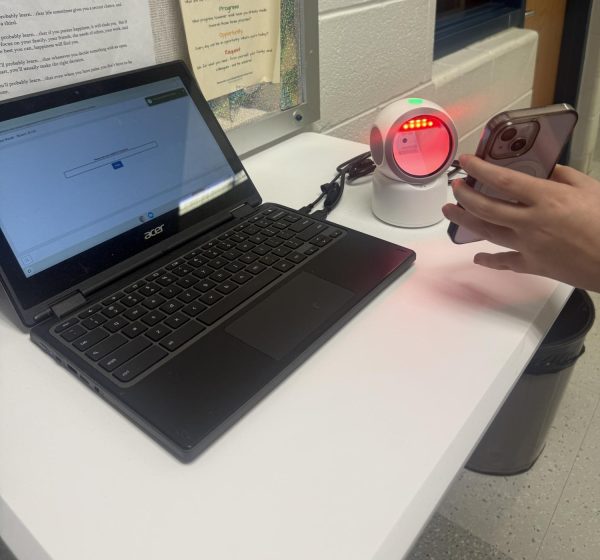
While Ganschow isn’t the only student with negative opinions on the new scanning policy, the numbers show that, contrary to student belief, attendance is improving, and it’s thanks to the new scanning system.
“So far, our numbers have been really positive, especially in comparison to our Illinois report card data from last school year. In the 2025 school year, our Illinois report card data showed an average daily attendance rate of 92%. Now through 52 days of this school year, our current average daily attendance rate is 93.66% so that’s obviously more than one and a half percentage points better,” Taylor said.
The physical scanning isn’t the only method for hunkering down on attendance this year. With security attendance checks, the ten-minute rule, closing the commons and the new alarmed doors, the school is not letting up on increasing student attendance.
DGS principal Arwen Lyp explains the unaccounted student report and how it is being used to increase attendance throughout the school day.
These checks allow student attendance to be directly monitored by security and keep students on track throughout their day, without them wandering the school or missing class.
Getting students to school is only one part of increasing student attendance; the district-wide student attendance goal is also focused on making sure that when students are in school, they are always where they need to be. Through methods like the ten-minute rule and closing the commons, the school isn’t leaving any stones unturned when it comes to attendance.
“The fact that school-wide students have to be in class the first and 10 last 10 minutes of the period, helps teachers who are on hall duty and any security team members know that unless a student has a pass from the dean’s office or counseling office, they should not be in the hallway, and we will help them find their way to where they belong, safely,” Taylor said.
Senior Valeria Derueda explains that the ten-minute rule isn’t proving to be all that effective from the student perspective.
“The first 10 minutes of class are when nothing super important has started, and if students are allowed to go to the bathroom during that time, it prevents disruptions during actual class time. Some students also like to wait until instructions and teaching are done; sometimes that can be the whole class period, so if they aren’t allowed to go in the last ten minutes, they won’t have time to go at all. Going to the restroom in the middle of class causes students to miss important parts of instruction and note-taking,” Derueda said.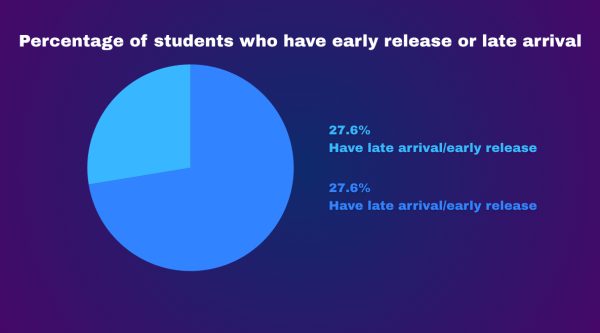
Other changes, such as moving study halls into the commons, have also caught the administration’s attention when finding another way to increase student attendance, even during periods such as resources and study halls. Lyp expresses that these systems are being put in place not only to help attendance but also to accommodate students.
“I did have a student advisory council member share with me that they really missed being in the commons for study hall, and that they missed the comfortable seating. So we moved some of the comfortable seating into the cafeteria. This way it wasn’t just a let’s just open up the comments again, but it was an ‘okay, I hear you, if you miss the comfortable furniture, we can rearrange and move that around,’ ” Lyp said.
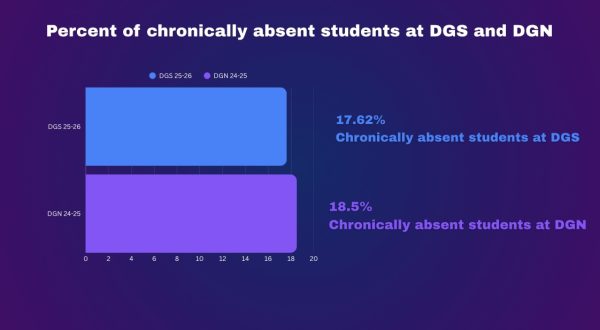
With this progress, the administration looks forward to seeing the continued growth following these new policies.