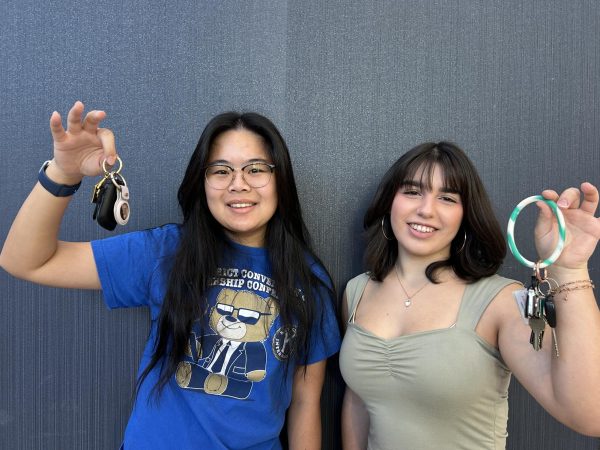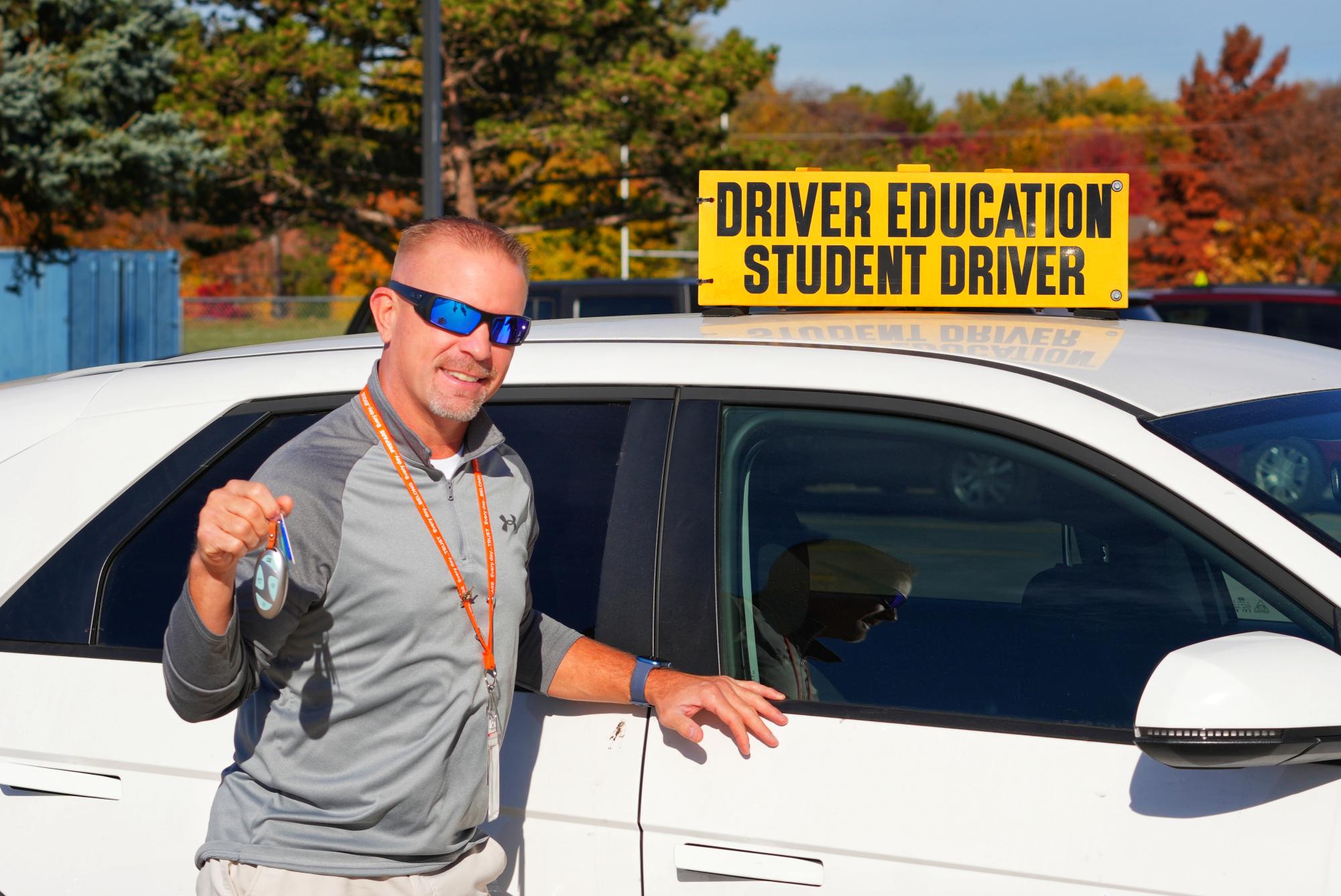
Student drivers barreling down the street at 45 mph in a 25 mph zone is a preventable situation. However, with how far establishments, schools and homes are from each other, America created a world where knowing how to drive and owning a car are major advantages.
According to Sustainable Princeton, a combination of urban planning, new standards for infrastructure and a desire to push cars as a main transportation method resulted in many locations only being accessible by car. The reliance on cars is why students and younger individuals will have more access to locations outside the home if they learn to drive.
Driver’s ed teachers establish student drivers’ confidence, skills and motivation to drive. Many of these teachers started in physical education, but took both health and driver’s education endorsements to expand their skill sets. However, these teachers face struggles with students not practicing driving skills at home, worrying about safety in the car and building trusting relationships with students.
Driver’s education and PE teacher Timothy Cappelen believes that the best way for students to improve is to get out of their comfort zones and practice.
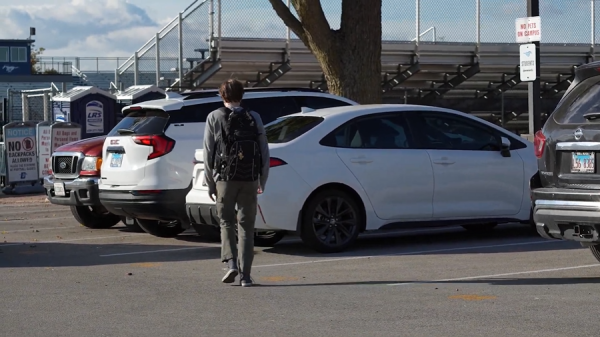
“It’s not a secret, the more you practice at home, the better off you’re going to be and the more experience you get. It’s tough because parents are scared, students are scared and the easy thing to do is not practice. The hard thing to do is actually getting out to practice,” Cappelen said.
Students are required to accumulate at least 50 hours, including 10 hours of night driving, before they get their licenses; however, because the 50-hour rule isn’t strictly enforced by schools or DMVs, students can be dishonest about their hours. Not practicing the essential driving skills outside of class to gain experience jeopardizes the safety of the student, other drivers and driving instructors.
Sophomore Justin Trubush follows the consistency required to be successful in Driver’s education.
“I get in around 20 to 30 minutes every weekend, and then maybe some extra during the week,” Trubush said.
Safety is the main priority in DGS’s driving classes, with many procedures taken to ensure it. Driver’s education and PE teacher Robert Bozak places a large emphasis on the safety of both the student and the instructor.
“We worry about our safety and the students’ safety. When we get in the car with one of our students, we always take safety [into account]. But we also know the mistakes they’re making before they make them because we have so much experience, so that helps a lot. But we always take into consideration the safety of us, the teacher, and the student as well,” Bozak said.
Illinois implemented the Graduated Driver’s License (GDL) in 2008, which places regulations on permit holders and young drivers for the safety of all drivers. Some of these regulations include having no driving convictions in the nine-month permit period, no use of a hands-free device and limiting passengers to the number of seatbelts in the car. Driver’s education teachers rely on these rules for the safety of their students, other motorists and themselves.
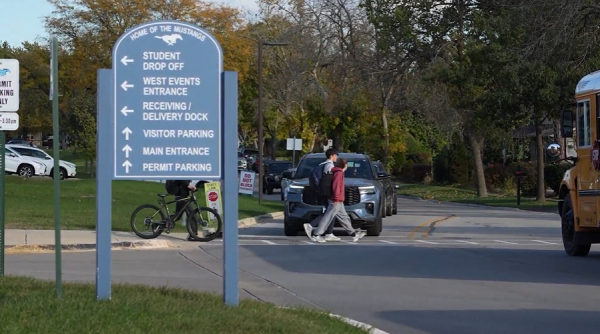
“I feel very safe. Mr. Cappelen knows what hes doing. He always has his foot on the break in case he needs to stop anything, and I myself, I’d say I’m a pretty good driver so far,” Trubush said.
Part of maintaining safety on the road involves properly building students’ skills to prepare them to drive on highways and busy roads. DGS is right next to 63rd Street, a busy road that students must learn to navigate in order to reach other locations, such as downtown Downers Grove and other residential areas.
Driver’s education and PE teacher Kristopher Olson starts to build upon students’ skills and confidence before they tackle traffic-heavy streets.
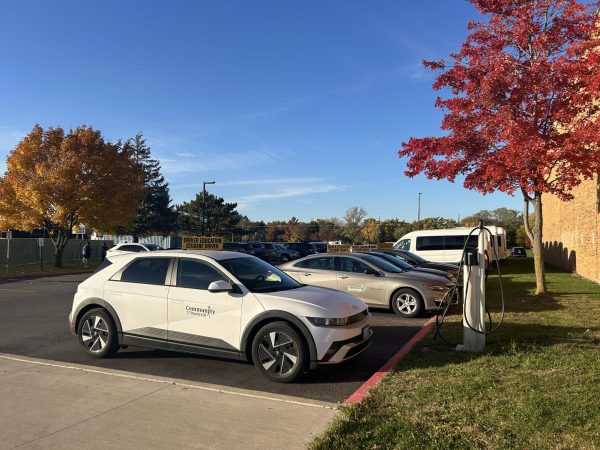
“There’s kind of a gradual approach. They shouldn’t start on 63rd; they should start in an empty parking lot, then work in neighborhoods and work up their driving skills so by the time they get to drive on roads like 63rd, it’s more about the mental skills, not the physical skills,” Olson said.
But before instructors are able to create the foundation for basic driving skills, they must earn the trust and confidence of their students.
“I’d say I’m very trusting of him. A good [example] to this, we were out in downtown [Downers Grove], I was going around a corner, and a car unexpectedly backed out of a parking spot. He was on that break instantly,” Trubush said.
But as a two-way street, students also must slowly develop the trust of their teachers by practicing and applying the skills they learn.
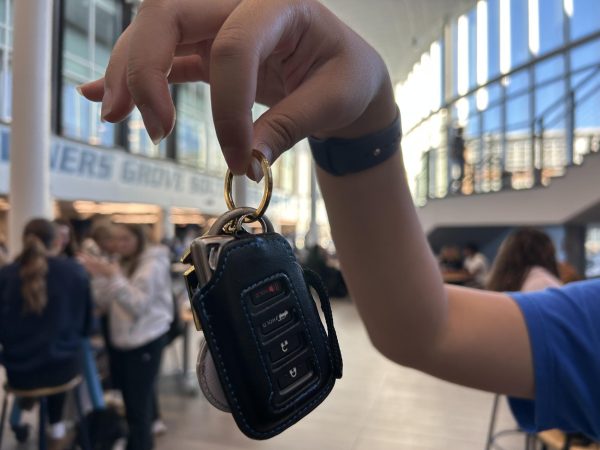
“I think it’s more difficult for the student driver to build trust with us because they’re the ones driving. I think one way we can build trust as well is the way we speak in the car. No panic from us, no screaming when they make mistakes, just calmly talk about or teach what they need to improve on,” Olson said.
With new drivers slowly finding their rhythm, spatial awareness and mentality in their cars, they must slowly prove their skills to their instructors.
“Every single drive, they earn our trust – how they’re seeing the road, how they’re actually steering the car, their basic car control. It’s just kind of continued with how they drive, and the more they see things before they happen, the more trust is built,” Olson said.