


Fashion trends grow harder to ignore


In the late 1970s and early 1980s, society was consumed with hip-hop, the launch of Nintendo, tensions from the Cold War and a shift into a more conservative political era. These developments also shaped the style during this period as people switched to more structured attire.
Career and technical education teacher Ruth White expresses that her high school style during this era was very preppy.
“The preppy look: Ralph Lauren and Izod polo shirts, button-down oxford shirts, penny loafer shoes, traditional plaid skirts, blue jeans, acid washed jeans, argyle print and monogrammed sweaters and shirts. Big hairstyles, layered haircuts were also in style. After the free love of the 1970s and hippy dress, we were the preppy generation,” White said.
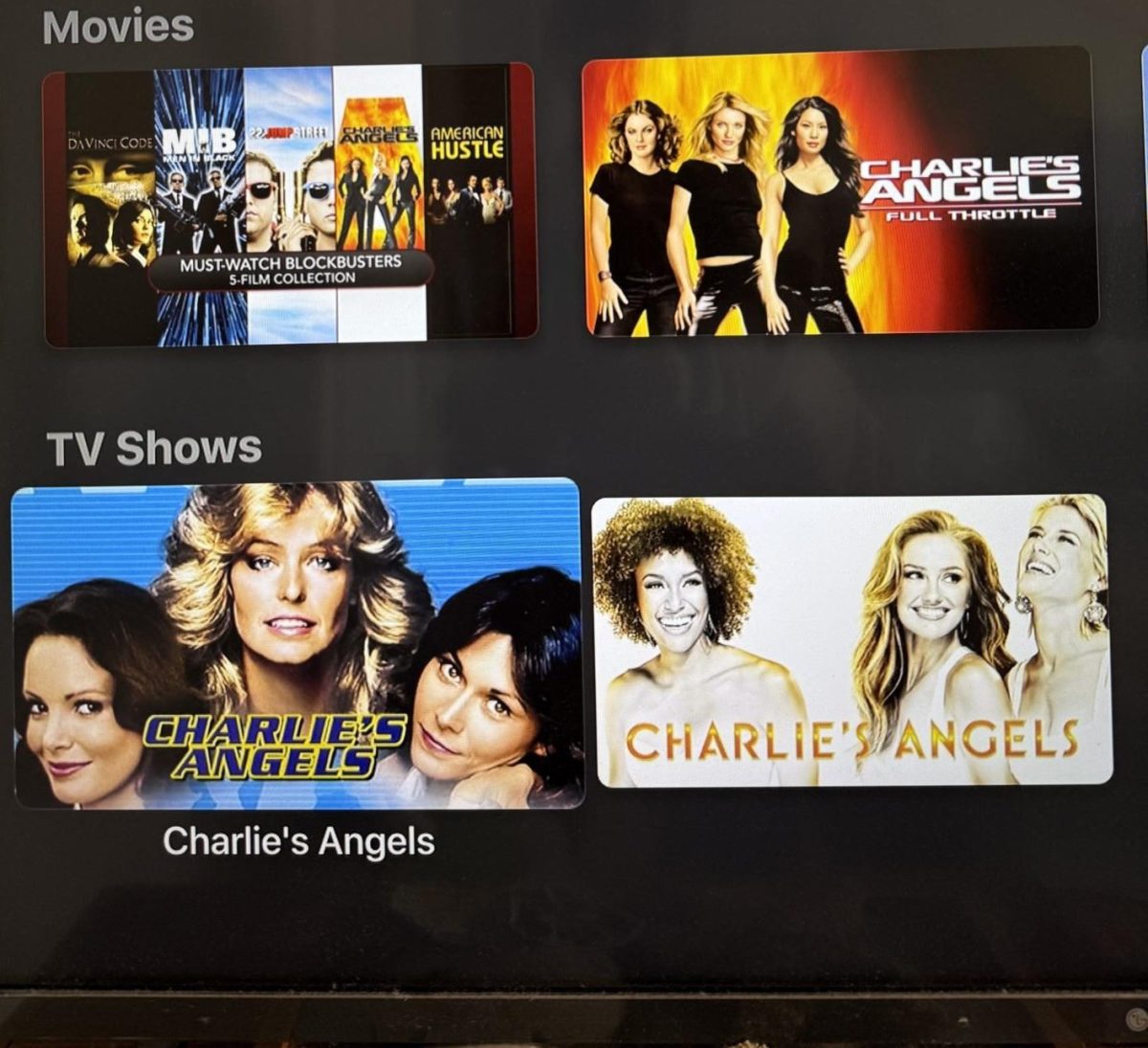
This more classy and put together look was also seen in famous shows at the time such as Charlie’s Angels and Three’s Company, which may have led to its popularity.
Most people in this generation enjoyed this fashion and embraced it without feeling pressure to conform.

However, style is always on the move. The transition into the early 2000s included the rise of Myspace, the show The Simple Life, R&B and Britney Spears. Additionally, fashion trends were also shared quicker than in previous decades due to new technological advances.
The style of the early 2000s, now known as Y2K, consisted of matching track suits, stripey highlights and tiny backpacks.
Physical education teacher Jillian Karsa recounts her life during high school as a 2006 graduate.
“The big brands at the time were definitely Victoria’s Secret PINK, Abercrombie, Aeropostale and American Eagle. But as far as specific items, chunky accessories were popular and Kate Spade backpacks,” Karsa said.
Karsa shared that the TV show Jersey Shore also heavily influenced the trends.
“The Snooki Poof was huge. Gals my age would also scrunch their hair until it was crispy and paint their face with bronzer. Being tan was the thing, everyone would bake in the tanning beds,” Karsa said.
Similar to the early 80s, most people participated in these trends on their own. However, Karsa reveals that depending on the clothing brands one owned they may have been of a higher social status.
“If you wore Abercrombie on a regular basis your parents definitely had money because it was very expensive at the time,” Karsa said.
She continues by expressing that some kids were judged or even bullied for their types of backpack.
“I’m not a fan of bullying, but if you were razzed a little bit it was because you had a huge backpack,” Karsa said.
In some ways, fashion also started to have a correlation with one’s confidence and self image during this era.
“I definitely always wanted to be comfortable in school, but I think that my confidence level emerged when I felt like I could buy the items that I really wanted,” Karsa said.
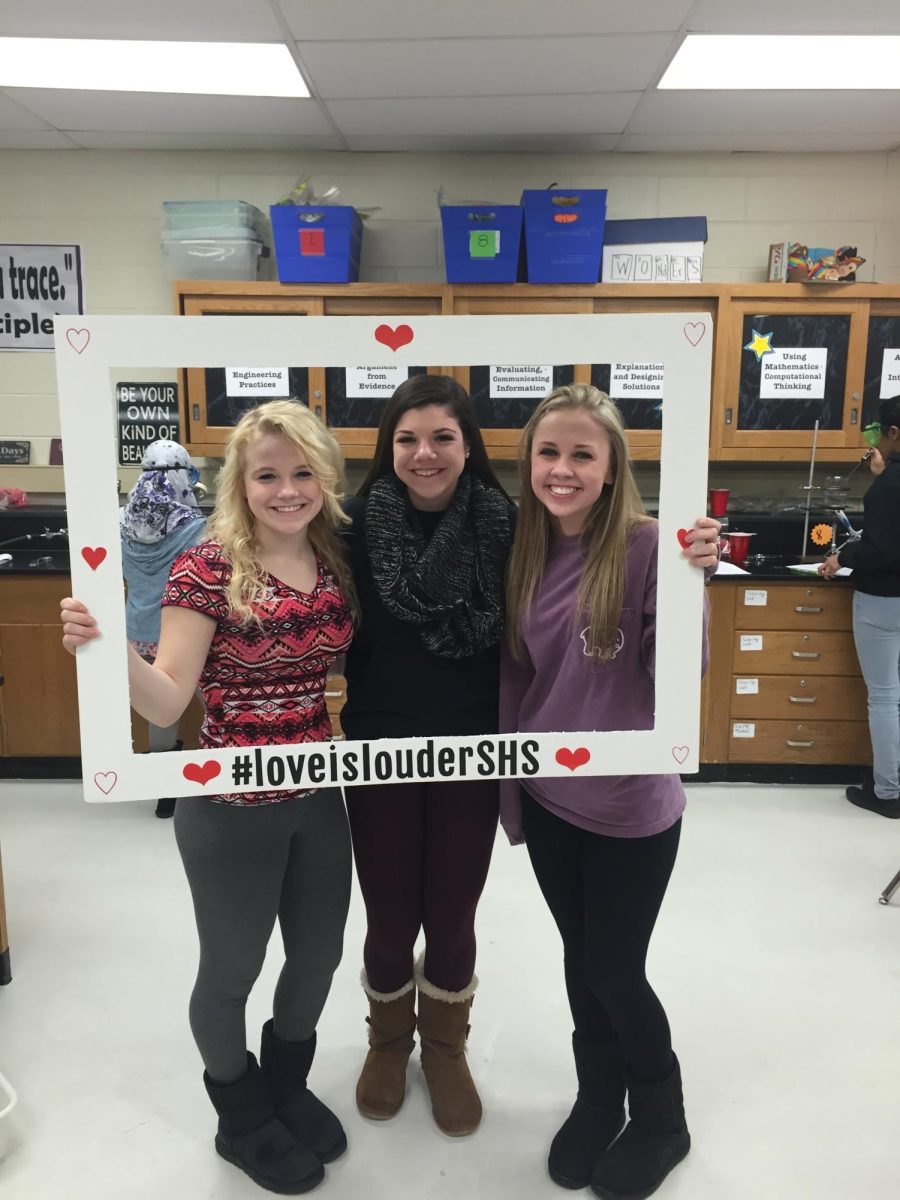
The move into the 2010s brought a wave of patterns, sparkles and sideparts.
Fashion in this period was largely defined by social media, specifically Instagram. Most became obsessed with putting together outfits that were deemed “instagram worthy.” The trends were now beginning to be set by influencers rather than celebrities or fashion magazines.
World languages teacher Sarah Abuelhawa highlights certain trends from her high school experience in 2014 to 2018.
“It went from tall Ugg boots to the brand Pink foldover leggings, specifically the ones with patterns: pink zebra or sparkly letters. Infinity scarves were big, as well as Northface fuzzy jackets and high top Converse,” Abuelhawa said.
Makeup and hair also were very notable in this time. A full face of makeup became normalized and added into high schoolers’ daily routines.
“I feel like everybody came to school with a smokey eye and really pale face makeup. But then everybody had a harsh sidepart,” Abuelhawa said.
However, this era was when fitting in started to matter. Students felt pressure and failing to fit in resulted in the kind of treatment almost equivalent to one that may be found in “Mean Girls.”
“If you did not have these items nobody even looked at you. It was like a movie. If you wore what other people wore, you were almost deemed cooler,” Abuelhawa said.
Conforming to these trends and following the crowd gained one popularity. Which in return boosted one’s self esteem and made them feel more confident.
“I thought I was like the coolest person ever when I was wearing the hottest new thing. I would say my self image was very positive. It made me feel very good about myself,” Abuelhawa said.

Just a few short years later fashion has completely changed. The 2020s have been flooded with a multitude of styles.
COVID-19 may be the reason that current high schoolers overall dress in a more comfortable way. The pandemic sent the US and many other countries into a lockdown, forcing people to work and attend school from their own homes.
However, thanks to the social media platform TikTok, which became increasingly popular in 2020, micro-trends have developed. These consisted of reviving old styles from previous decades as well as newer ones made for comfort. However, this does not mean that there is no longer judgment.
Senior Juliana Padavic shares what is currently “in” for high schoolers.
“I’d say the biggest brands are Lululemon, Brandy Melville, Aritzia and Garage. Within those there are many staple items: Lululemon leggings, hoodies and matching sets,” Padavic said.
So even though some trends may change weekly, hence the name “micro,” there is still an overall style behind them. Furthermore, although they may dress up occasionally, teens nowadays prioritize leisure over formality.
“I’d say a lot of people wear their hair down to school, but sometimes you see a low bun or a slick back. The makeup is pretty minimal: mascara, lip gloss and blush,” Padavic said.
Over the course of five years makeup has gone from full glam, to “no makeup, makeup.” Nevertheless, the need to fit in still exists.
“I don’t know if brands and price affect social status directly, but I have definitely noticed that I, and people I know, feel pressured to buy name brands rather than off brands, even if they look similar. Maybe it is something that has been conditioned into us because we think it will make us seem more normal,” Padavic said.
Throughout the decades, trends have always been prominent, yes, but pressure to fit in has grown. The introduction of social media has made fashion easier to access but also easier to judge. The current generation of high school students choose what they want to wear but it comes at a cost.
“I’ve always just wanted to dress in a way that doesn’t make me stand out in a negative way; I just want to fit in. I will say that there are probably some students that if they do wear an outfit that doesn’t follow dress code, showing more skin or a unique outfit, I’ve seen them being judged for that. I think that’s something in our school culture that does occur if you wear an outfit that’s a little more out there,” Padavic said.