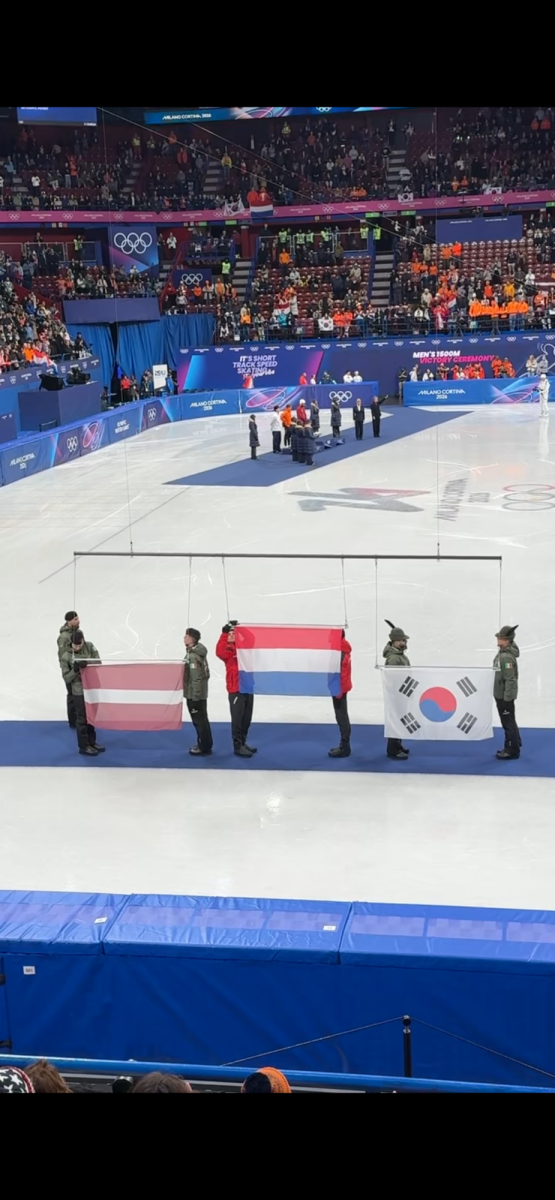
The 2026 Winter Olympics were held in Milan and Cortina d’Ampezzo, Italy, from Feb. 6–22. Athletes from approximately 92 countries competed in 116 medal events across 16 sports.
The Games featured venues spread all across northern Italy.
Norway, Germany and the United States entered as the projected top three medal contenders, based on their dominance in past Winter Olympics.
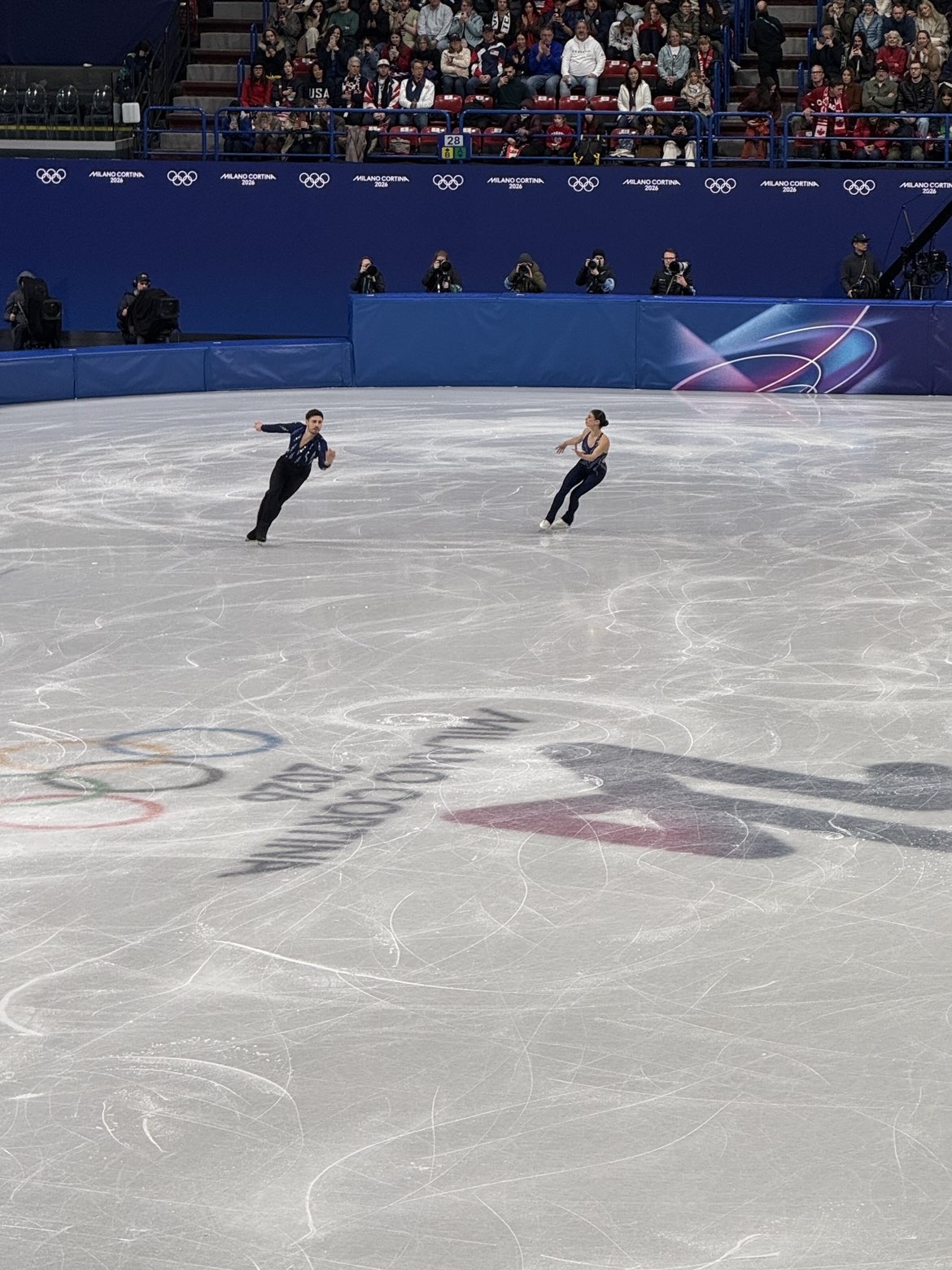
No moment was more talked-about in Alpine skiing than the return, and crash, of Lindsey Vonn.
At 41 years old, Vonn came out of retirement and chose to compete despite suffering a torn ACL just days before the competition. Approximately 13 seconds into her run, Vonn clipped a gate, lost control and crashed violently.
Vonn was immediately airlifted off the course and later underwent surgery for a complex tibia fracture. Since the crash, Vonn has undergone a total of at least five surgeries, to save her leg from a partial amputation. Her recovery from her fractures is estimated to take at least a year, pushing off her ACL reconstruction until then.
Though she did not finish the race, her decision to compete became one of the most talked-about moments of the Olympics. She has received criticism for her decision, with many believing that it was careless and a bad example for younger athletes, as well as receiving praise for her determination and commitment to the sport.
Meanwhile, American skier Breezy Johnson capitalized on the opportunity. Johnson had a strong run and won gold in the women’s downhill skiing.
On Feb. 22, the women’s snowboarding final took an unexpected turn.
Nineteen-year-old American Chloe Kim returned to defend her two consecutive Olympic titles earned in 2018 and 2022, with the goal of becoming the first-ever snowboarder to win three consecutive Olympic gold medals in the halfpipe.
Although she remained one of the sport’s biggest names, several other competitors, especially Japan’s Sena Tomita and Switzerland’s Sina Candrian were widely favored to win due to strong World Cup performances. South Korea’s Gaon Choi was also named as a rising competitor.
Early runs in the final highlighted this close competition between the athletes. Kim’s first run was a solid performance, but still left the door open for her competitors to slide in and win gold.
On her last run, Kim began building speed. However, midway through the run, she lost control on a landing and fell, ending her chances for a third straight Olympic title.
When the scores were finalized, Kim earned the silver medal. The gold went to Choi, with an unbeatable series of runs. Though Kim fell short of defending her title, her performance proved resilient.
Figure skating continued to draw attention on Feb. 13, as the men’s free skate concluded in Milan.
Japan’s Yuma Kagiyama delivered a gold-medal free skate performance in the men’s figure skating competition. He landed a quadruple jump combination which earned him the highest technical score in Olympic history for a single routine. Kagiyama’s performance secured him the gold medal.
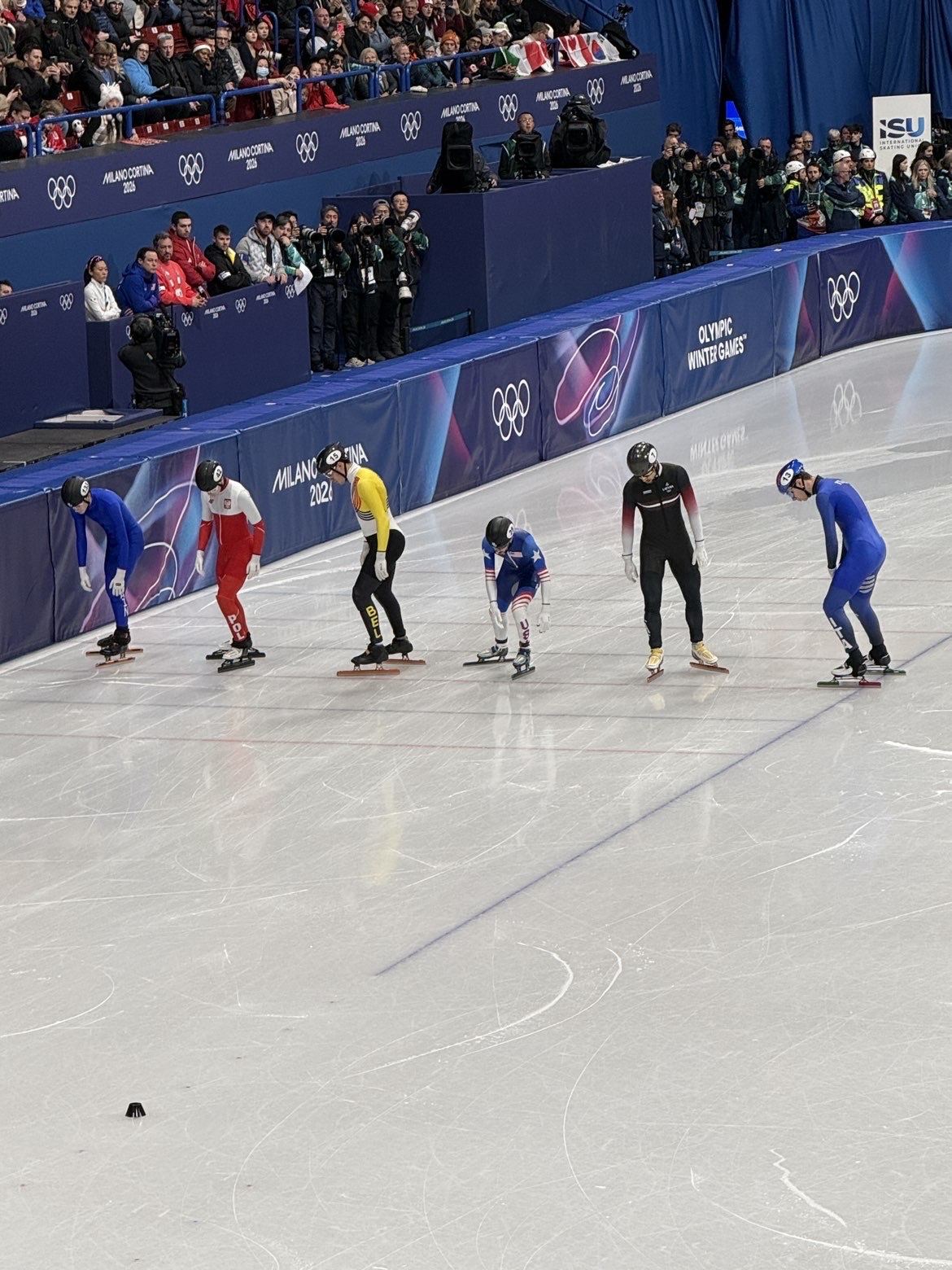
Both the United States women’s and men’s ice-hockey teams played history-setting performances.
The United States was originally favored to win the gold medal in women’s ice hockey, with strong qualifying performances leading up to the Olympics.
However, the gold-medal game started out looking hopeless for Team USA with Canada taking the early lead. That was until United States captain Hilary Knight tied the score with two minutes left, sending the game into overtime. About four minutes into overtime, Megan Keller scored for the United States, securing the victory and the gold medal.
The United States men’s ice hockey team had a remarkable performance as well.
They entered the gold-medal game against Canada as the underdogs.
Early on, it looked as though Canada would take the gold, with them scoring first and controlling the game early on. However, Team USA was persistent, scoring late in the third period, forcing the game into overtime. In overtime, Jack Hughes scored the game-winning goal to take home the gold medal.
The performance marked the first gold-medal win for the men’s team since 1980.
In the mixed doubles curling final on Feb. 16 Canada defeated Sweden to win the gold medal.
The game was close throughout, with both teams taking turns scoring. Neither team was able to pull far ahead, with momentum shifting throughout the match.
Canada relied on precision shots, while Sweden applied pressure with aggressive placement shots. The teams remained close heading into the final stones.
On the final shot, Canadian veteran John Morris faced a difficult angle and limited room. Morris released a calm, controlled shot that curled perfectly into scoring position. The shot secured the winning point.
Canada entered the Games as one of the favorites due to their long history of international success and a strong track record in Olympic curling. The team met expectations, adding another gold medal to their record.
In the end, Norway finished with the most medals, totaling 41: 18 gold, 12 silver and 11 bronze.
Behind Norway, the United States and Italy placed in second and third. The United States earned 33 total medals: 12 gold, 12 silver and 9 bronze. Italy earned 30 total medals: 10 gold, six silver and 14 bronze.
The Winter Olympics highlighted moments of determination, bravery and rivalry competition across every event. Norway lived up to expectations, taking home the win, while athletes from around the world made their mark. The 2026 Games left a lasting impression with new rising talents.