



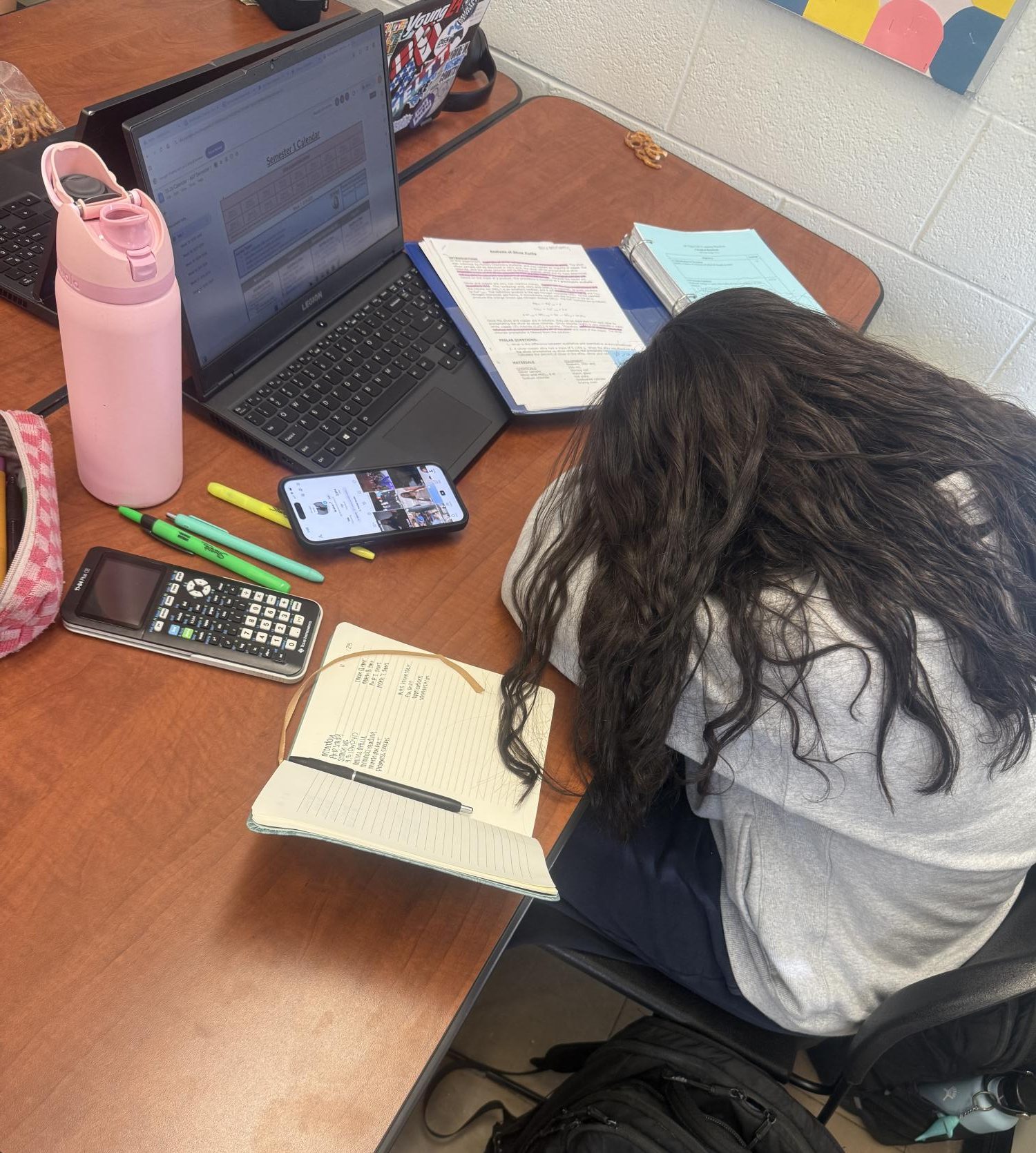
Everyone has heard of “senioritis.” It’s the reason my friends haven’t seen me at school much the past week. The inevitable dread that comes with senior year hits students like a bus, making it increasingly harder to get up out of bed in the morning. I’m over it.
But senior year isn’t the only time students experience this existential dread. Parents, teachers, and, of course, students, all recognize the struggle of trudging through your last year of high school, but they don’t recognize those struggles for all the other grades. In fact, every grade level has a slump, and it’s time we talk about it.
Terms such as “freshmen blues,” “sophomore slump,” “junior jitters” and “senioritis” have been thrown around my entire high school career, and along with my classmates, I have become accustomed to them. It made me feel seen to know that these feelings weren’t just unique to me, but felt by everyone. But the part that rubbed me the wrong way was the fact that students all throughout high school are experiencing slumps for four years straight.
“Senioritis” is a given; seniors are ready to get out of high school, reasonably so, and they show those feelings through a lack of energy and lust for life at school. The term is used widely between teachers and students because even if you are the most high-achieving student, you reach a point in your high school career where you can’t wait to move on to something bigger.
It’s a no-brainer that seniors are going to be a little less thrilled for school than the rest of their classmates, so “senioritis” is pretty reasonable. Let’s back it up to junior year.
“Junior jitters” is the term that has been assigned to the undeniable stress and pressure that comes with junior year. Undoubtedly, juniors have a lot of stress placed on them, especially with taking the SAT or ACT. Parents, teachers and even peers are constantly reminding students about how important junior year is for college, placing high value on their education.
The pressure to take the hardest classes and get the best grades is overwhelming and leads students to their breaking point. It is also worth mentioning that I have never heard someone claim that their favorite year of high school was junior year. I feel like that statement speaks volumes.
The slumps for junior and senior year are reasonable due to the intense stress and the desire to move on to something bigger after high school. So let’s take a look at sophomore year.
“Sophomore slump,” the bout of depression that manages to hit every sophomore class, for no apparent reason. It feels like a phenomenon. How can such a large group of people be so drastically down in the dumps for no clear reason?
It sounds unbelievable, but it’s true. Students are not only struggling to keep up with new, inherently harder and more rigorous classes, but they are also trying to grapple with sports and activities, not to mention balancing relationships and work. It is almost as though the gap from freshman to sophomore year is larger than the rest. All of a sudden teachers and coaches expect students to know and succeed at everything, which is the most unrealistic and bonkers thing I’ve ever heard.
Maybe sophomore, junior and senior years all have valid reasons for their inevitable slump. But freshman year can’t possibly have one, right? Wrong. I present to you the “freshmen blues.”
This varies from the rest of the high school slumps because they typically aren’t a result of high school itself, but the life you had before high school. Whether it be a lack of friends, classes being harder than you expected or simply a fear of the unknown.
Additionally, freshmen year can be scary for a lot of students, and sometimes the scaries can be unmanageable. The little freshmen babies are wandering around so clueless that it makes sense that they would get a little discouraged halfway through the year, thus causing the “freshmen blues.” While it’s probably the least recognized of the four slumps, it’s still important to know that the freshmen are also feeling the emotional turmoil that comes with starting high school.
All of these slumps throughout high school may seem excessive, but they are true experiences. Keep your glass half full and remember that even in the depths of “sophomore slump,” “junior jitters,” etc. Your peers are going through it too. Keep pushing, because soon, you’ll be out of that never-ending high school slump.